
What to check before buying construction safety equipment
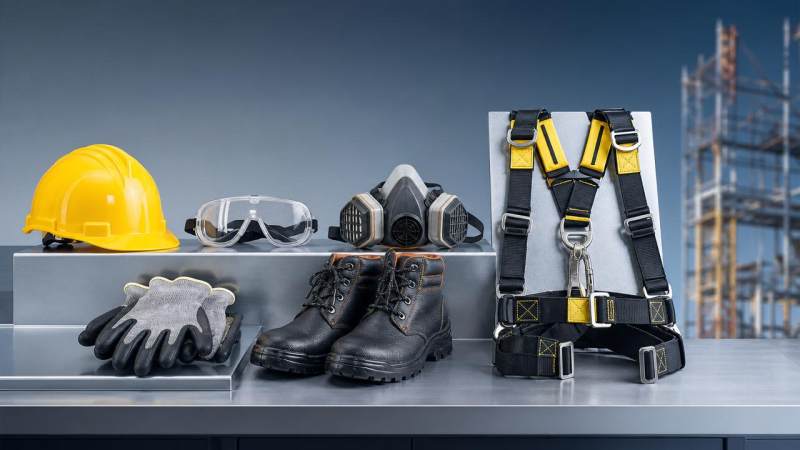
Before investing in construction safety equipment, it is worth looking past price tags and brand familiarity. The best choice depends on task fit, certified performance, durability, weather exposure, compatibility with site rules, and comfort during long shifts. A disciplined review before purchase helps reduce injury risk, supports compliance, and ensures every item contributes to safer, more efficient construction work.
Why a checklist matters before buying construction safety equipment
Construction sites combine moving machinery, uneven ground, falling objects, noise, dust, vibration, chemicals, and changing weather. Because risks overlap, construction safety equipment must be selected through a practical checklist, not guesswork.
A checklist prevents costly mistakes such as buying helmets without the right impact rating, gloves that limit grip, or harnesses that do not match anchor systems. It also helps compare products consistently across projects, crews, and suppliers.
For heavy industry observers such as TF-Strategy, safety decisions sit beside machine performance, work methods, and infrastructure delivery quality. In that wider context, construction safety equipment is not a side purchase. It is part of operational reliability.
Core checklist: what to check before buying construction safety equipment
- Define the hazard first. Match the equipment to fall risk, head impact, cut exposure, arc flash, silica dust, noise, visibility, or crushing hazards before reviewing brands.
- Verify certifications carefully. Check whether the item meets the required ANSI, OSHA, EN, CSA, or local site standards for the exact task and exposure.
- Confirm real site compatibility. Make sure helmets, eyewear, hearing protection, respirators, gloves, and harnesses can be worn together without reducing function or comfort.
- Inspect material durability. Review shell quality, stitching, sole compounds, buckle strength, UV resistance, corrosion protection, and abrasion performance under frequent jobsite use.
- Test fit and adjustability. Construction safety equipment only protects well when workers can wear it correctly for full shifts without pressure points or restricted movement.
- Review environmental limits. Check whether the equipment performs in heat, rain, freezing temperatures, confined spaces, high dust loads, or chemical splash conditions.
- Check inspection and replacement rules. Look for clear service life guidance, inspection points, serial tracking, and replacement intervals for worn or damaged items.
- Compare total cost, not purchase price. Include training, storage, maintenance, cartridge changes, spare parts, cleaning, and replacement frequency in the decision.
- Assess usability with actual tasks. Gloves must allow tool handling, boots must support climbing, and harnesses must not interfere with access ladders or machine cabins.
- Request traceability from suppliers. Ask for batch information, test reports, manuals, and authenticity proof to avoid counterfeit construction safety equipment entering the site.
Key product categories to review closely
- Head protection: check impact rating, suspension quality, chin strap security, electrical class, and accessory mounting for lamps, visors, or hearing protection.
- Eye and face protection: confirm anti-fog performance, side coverage, lens impact rating, scratch resistance, and compatibility with dust masks or respirators.
- Hand protection: match glove coating, cut level, puncture resistance, dexterity, and grip pattern to rebar work, rigging, welding, or chemical handling.
- Foot protection: verify toe cap type, slip resistance, puncture plate, ankle support, sole heat resistance, and comfort on ladders or rough ground.
- Fall protection: inspect harness design, D-ring placement, lanyard type, energy absorber rating, and anchor compatibility for the intended working height.
- Respiratory protection: confirm fit testing options, filter type, breathing resistance, cartridge availability, and protection against dust, fumes, or vapors.
How site conditions change the buying decision
Tunnel and underground work
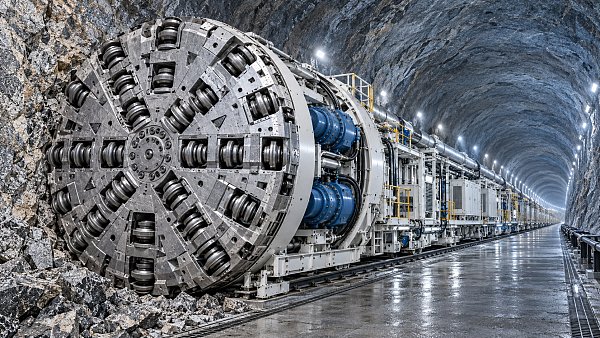
In tunnel projects, construction safety equipment must address tight spaces, low visibility, water ingress, airborne particulates, and constant interaction with heavy machinery. Helmet lighting, anti-fog eye protection, hearing defense, and respiratory control become essential.
Underground tasks also require equipment that remains functional when wet, muddy, and repeatedly cleaned. If a product seems suitable only in showroom conditions, it is unlikely to perform in sustained excavation work.
Open-pit mining and large earthmoving zones
Open areas create a different risk mix: haul truck traffic, wide temperature swings, dust, glare, and long walking distances. Here, construction safety equipment should prioritize visibility, sun exposure resistance, dust sealing, and long-duration comfort.
Boot fatigue, eyewear fogging, and glove wear-out rates often become major productivity issues. Small selection errors can increase near misses around ultra-large excavators, dump trucks, and service vehicles.
Lifting, steel erection, and elevated assembly
Where crawler cranes, structural steel, or large component installation are involved, fall protection details must be reviewed line by line. Harness comfort, connector strength, swing-fall limits, and rescue planning matter as much as basic compliance.
This is also where compatibility checks become critical. Helmets, chin straps, gloves, radio headsets, and harness attachments must work together without snagging or slowing safe movement.
Commonly ignored issues that create risk later
Poor sizing options
A single-size approach leads to loose helmets, painful boots, and improperly fitted respirators. Construction safety equipment should be available in sizes that reflect the actual workforce, not a catalog assumption.
Weak maintenance planning
Even high-quality construction safety equipment fails if cleaning, storage, drying, and replacement are ignored. Check whether maintenance demands are realistic under field conditions.
Counterfeit or undocumented supply
Unverified products may look identical to approved models but fail under impact or load. If documentation is incomplete, do not assume equivalent performance.
Overlooking user acceptance
If equipment is hot, heavy, stiff, or awkward, workers may adjust it incorrectly or remove it. Comfort is not a luxury feature. It directly affects protection consistency.
Buying without field trials
A short wear test on actual tasks often reveals issues that spec sheets hide. Trial use is especially useful for gloves, boots, eyewear, and harness systems.
Practical steps to execute a better purchase
Start with a hazard map for each work zone, then build an equipment matrix by task. Separate requirements for excavation, lifting, cutting, welding, confined entry, and roadwork. This keeps construction safety equipment aligned with actual exposure.
Next, compare at least three options using the same criteria: certification, fit range, durability, maintenance burden, and compatibility. Document trial feedback. In some research workflows, reference tools or resource notes may be stored under 无 for easy internal review.
Then set acceptance rules before full rollout. Define what counts as pass or fail, including fog resistance, buckle ease, sole grip, battery runtime, or replacement availability. This avoids subjective purchasing decisions.
Finally, connect the purchase to training and inspection routines. The best construction safety equipment adds value only when users understand correct wear, pre-use checks, and retirement triggers.
Final takeaway
Buying construction safety equipment should never be treated as a simple catalog order. The right process starts with hazards, verifies standards, tests compatibility, and measures performance under real site conditions.
Use a written checklist, run field trials, and review replacement needs before committing budget. For complex heavy construction environments, that extra discipline protects people, supports compliance, and strengthens project delivery from the ground up.
Related News
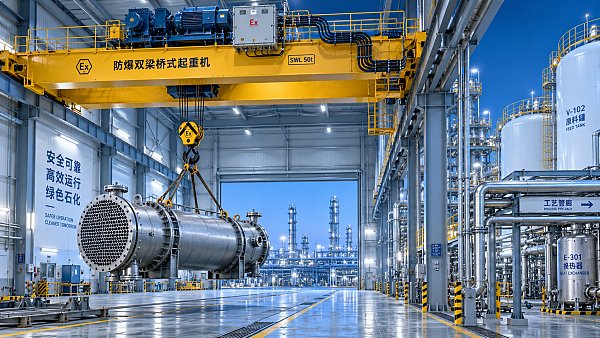
 Oct 06, 2026Selecting Petrochemical Overhead Cranes for Hazardous Areas and Heavy Process LoadsPetrochemical overhead cranes for hazardous areas: learn how to match capacity, duty, controls, corrosion protection, and maintenance access for safer, reliable lifts.
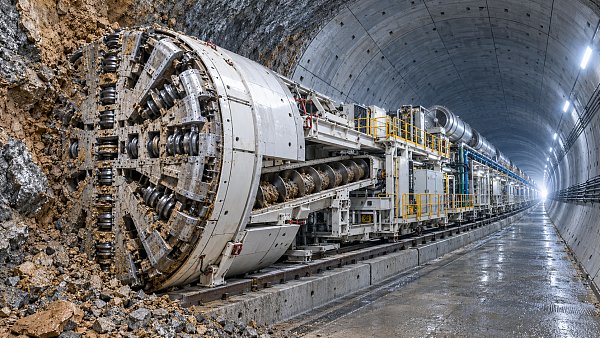
 Oct 05, 2026Tunneling Equipment Specification Planning: Key Criteria for Ground and Project RisksEquipment specification planning tunneling: learn how to match TBM systems to ground risks, geometry, safety, logistics, and lifecycle cost for more reliable project delivery.
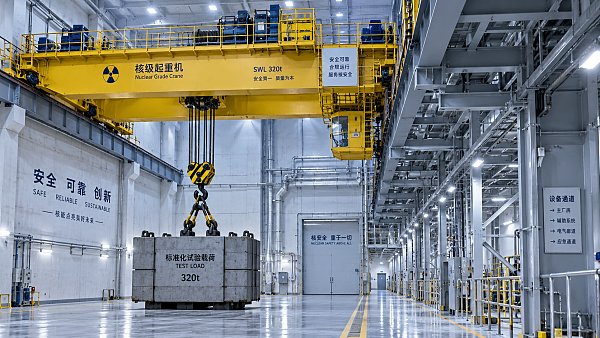
 Oct 04, 2026Nuclear Lifting Equipment Cost: Budgeting for Compliance, Testing, and Lifecycle RiskNuclear lifting equipment cost explained: budget for compliance, proof-load testing, installation, documentation, and lifecycle risk to make confident procurement decisions.
 Oct 03, 2026How to Assess TBM Manufacturers for Hard-Rock Tunneling Projects?Choose the right tunnel boring machine manufacturer for hard-rock projects. Explore key criteria for design, lifecycle cost, factory quality, and service support.
Ms. Elena Rodriguez
Weekly Insights
Stay ahead with our curated technology reports delivered every Monday.