
Engine Power Comparison for Machinery: How Torque, Duty Cycle, and Fuel Use Affect Selection
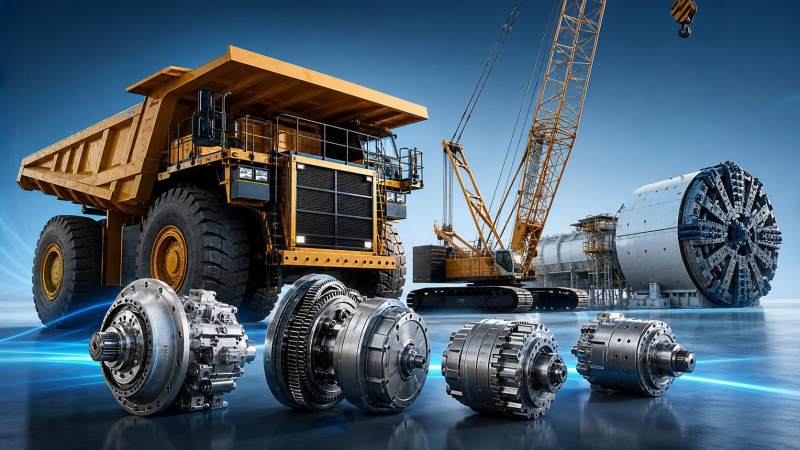
In heavy equipment, engine power comparison machinery work starts where brochure horsepower stops. A TBM pushing through mixed geology, a crawler crane holding a long lift, or a mining truck climbing at altitude will expose the real difference between rated output and usable performance. Torque behavior, duty cycle stability, and fuel use shape that difference, and they often decide whether a machine remains productive, predictable, and economical over years of operation.
That is why engine selection has become a strategic issue across infrastructure and resource projects. The pressure is not only technical. It also comes from tighter emissions rules, volatile fuel costs, remote operations, and rising expectations around total cost of ownership. In sectors tracked closely by TF-Strategy, engine decisions increasingly connect machine physics with project delivery risk.
Why engine power comparison now demands a broader lens
Many evaluations still begin with peak horsepower because it is easy to compare. It is also incomplete. Heavy machinery rarely works in ideal lab conditions, and it almost never operates at one steady load.
Real jobs involve start-stop cycles, overload margins, heat buildup, hydraulic demand, grade resistance, and changing material density. In that context, engine power comparison machinery decisions must examine how power is delivered, not just how much power appears on a specification sheet.
This matters more today because project schedules are less forgiving. A machine that looks strong on paper but loses efficiency under long-duration loading can create bottlenecks in tunneling, hauling, lifting, or paving operations.
Torque is the first practical filter
Torque determines how effectively an engine turns fuel into pulling, driving, or lifting force. In practical terms, it shows how well a machine can move under load without excessive revving or frequent gear hunting.
For engine power comparison machinery reviews, low-end and mid-range torque often matter more than peak values at high RPM. Machines in demanding construction and mining environments spend much of their time in these working bands.
Where torque changes the outcome
A TBM drive system needs steady torque to avoid unstable cutting behavior in variable ground. Sudden drops can affect penetration rate, cutter wear, and downstream spoil handling.
Ultra-large excavators rely on torque reserve during bucket crowding and swing recovery. If the engine struggles to recover after a heavy digging stroke, cycle time lengthens and hydraulic efficiency suffers.
Crawler cranes need controlled torque rather than aggressive spikes. Smooth torque supports hoisting precision, especially when wind, boom length, and suspended load create variable resistance.
Mining dump trucks expose torque weakness quickly on sustained climbs. A truck that cannot hold speed on grade will consume more fuel per tonne moved and may disrupt fleet balance.
Duty cycle tells you whether power is sustainable
Duty cycle is the bridge between engine specification and actual field behavior. It describes how long, how often, and under what load profile the engine must operate.
In engine power comparison machinery assessments, this is often where a promising candidate starts to separate from a suitable one. A machine can have strong peak output and still be poorly matched to continuous or repetitive heavy loads.
Continuous applications such as tunnel boring, open-pit hauling, and long paving shifts punish thermal weakness. Heat rejection, cooling package efficiency, lubrication durability, and altitude derating become central factors.
What to examine beyond the power curve
- Rated power versus continuous power under site conditions
- Torque retention during repeated load spikes
- Cooling performance in dust, heat, or high altitude
- Response quality after idle-to-load transitions
- Derating behavior linked to ambient temperature and emissions systems
From an operational perspective, duty cycle also affects maintenance intervals and component life. Engines working near their limit for long periods can accelerate wear on cooling systems, turbochargers, aftertreatment units, and driveline parts.
That is one reason TF-Strategy places value on joining machine parameters with construction method and environment. A powertrain that performs well in quarry loading may not hold the same advantage in a mountain tunnel or desert mine.
Fuel use is not only a cost metric
Fuel efficiency is often reduced to liters per hour, but that figure alone can mislead. A higher hourly burn may still be favorable if the machine delivers more output, maintains cycle stability, or reduces standby loss.
Effective engine power comparison machinery analysis should connect fuel use to work done. Useful measures include fuel per cubic meter excavated, fuel per tonne hauled, or fuel per meter advanced in tunneling.
This approach also helps clarify the influence of operator behavior, terrain, attachment match, and hydraulic setup. Sometimes the engine is blamed for inefficiency that actually comes from poor machine integration.
Fuel use has broader implications
Higher consumption increases direct operating cost, but it also drives refueling logistics, storage requirements, and emissions exposure. On remote or politically sensitive projects, those factors can become strategic constraints.
For fleet operators moving toward digitalized monitoring, fuel data is also a diagnostic signal. Sudden changes may reveal improper duty allocation, component degradation, or software calibration issues.
How application context changes the right answer
There is no universal best engine. The right selection depends on how power demand interacts with machine type, work pattern, site geography, and project economics.
In urban tunneling, compact operating windows and strict emissions oversight may shift preference toward engines with stable low-speed torque and better integration with hybrid or electric subsystems.
In open-pit mining, the key issue may be long-haul consistency at elevation. Here, engine power comparison machinery should include derating curves, cooling margin, and fuel efficiency under sustained grade loads.
For crawler cranes serving wind, nuclear, or petrochemical projects, engine behavior during precision lifting and auxiliary hydraulic demand can outweigh simple transport power or maximum engine rating.
Road machinery brings another variation. Paving quality depends on smooth and repeatable power delivery. Inconsistent engine response can affect material feed, compaction timing, and surface uniformity.
A more reliable evaluation framework
A practical framework for engine power comparison machinery reviews should move from broad specification to workload evidence. The sequence matters.
- Define the actual duty cycle, not the nominal machine category.
- Map torque demand across the most common and most severe operating phases.
- Check continuous power, cooling margin, and altitude or climate derating.
- Compare fuel use against productive output, not clock hours alone.
- Review aftertreatment compatibility with idle patterns and site fuel quality.
- Use telematics or field logs when available to verify real operating behavior.
This method improves selection quality because it reduces dependence on isolated marketing numbers. It also aligns better with the kind of high-authority intelligence model that TF-Strategy promotes across global heavy equipment sectors.
Signals worth tracking in the next comparison cycle
Engine technology is changing alongside machine electrification, remote operation, and stricter sustainability targets. That does not make engine power comparison machinery less relevant. It makes the comparison deeper.
Hybrid architectures, smarter engine controls, and predictive fleet analytics are shifting attention from static engine ratings to system-level performance. The useful question is no longer only how much power an engine makes. It is how effectively the entire machine converts that power into stable production.
A sound next step is to build a comparison sheet around one real operating scenario, then test torque profile, sustained load behavior, and fuel productivity against that scenario. That approach produces clearer decisions than any top-line horsepower comparison and creates a stronger basis for procurement, deployment, and lifecycle planning.
Related News
 Oct 02, 2026How to Evaluate Heavy Equipment Technology Suppliers for Fleet Uptime and SupportHeavy equipment technology suppliers can make or break fleet uptime. Learn how to assess diagnostics, data access, parts, service coverage, and support terms before you buy.
 Oct 01, 2026How to Use Technical References to Benchmark Industrial Equipment PricesIndustrial equipment technical reference pricing: learn how to normalize specifications, scope, service life, and operating costs to benchmark quotes accurately and choose the best-value equipment.
 Sep 30, 2026What Does an Ultra-Large Excavator Really Cost Over Its Service Life?Ultra-large excavators cost far more than purchase price. Explore lifecycle expenses, uptime risks, energy use, maintenance, and cost-per-tonne insights.
 Sep 29, 2026Infrastructure Construction Standards: A Project Manager’s Guide to ComplianceInfrastructure construction standards guide for project managers: turn requirements into field controls, hold points, traceability, and compliant delivery.
Ms. Elena Rodriguez
Weekly Insights
Stay ahead with our curated technology reports delivered every Monday.