
Extreme Temperature Mining: Equipment Risks, Materials, and Site Controls
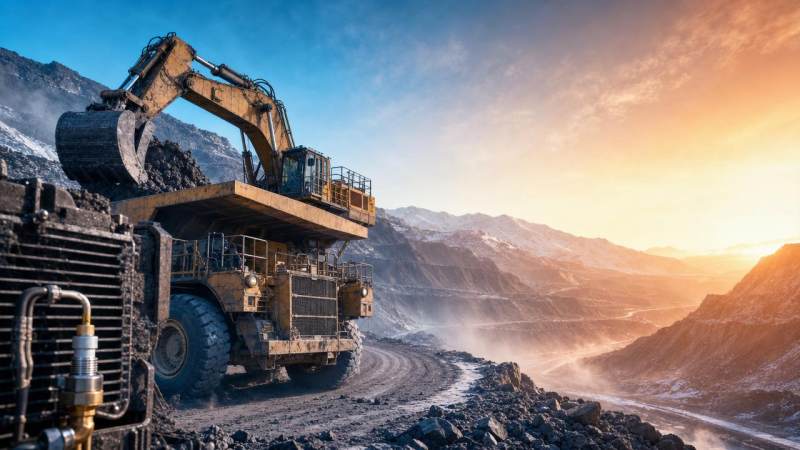
Extreme temperature mining pushes equipment, materials, and site controls beyond standard operating assumptions, creating hidden risks for haul trucks, excavators, hydraulic systems, tires, structural steel, and worker safety. For quality control and safety managers, the challenge is not only preventing breakdowns in heat, cold, or rapid thermal cycling, but also verifying that every component, inspection routine, and emergency procedure remains reliable under real mine-site stress. This guide outlines the critical failure points, material considerations, and control measures needed to maintain safe, compliant, and productive operations in extreme climates.
In open-pit mines, high-altitude haul roads, desert pits, Arctic operations, and deep underground interfaces, temperature is not a background condition. It becomes an operating variable that affects torque, braking distance, lubrication film strength, operator alertness, and inspection validity.
For TF-Strategy’s heavy equipment audience, extreme temperature mining is also a decision problem. A site may own powerful excavators, mining dump trucks, crawler cranes, and road machinery, yet lose availability if materials, maintenance intervals, and safety controls are not matched to the climate envelope.
Why Temperature Changes the Risk Profile of Mining Equipment
Most mining machines are designed around rated conditions, often validated through defined ambient ranges such as -20°C to 45°C or similar project specifications. Extreme temperature mining challenges those assumptions by compressing safety margins across several systems at once.
Heat, Cold, and Thermal Cycling Behave Differently
Hot environments increase coolant load, accelerate hose aging, reduce tire life, and raise cab heat stress risk. Cold environments thicken fluids, reduce battery output, and increase brittle fracture sensitivity in steel structures and welded joints.
Rapid thermal cycling is often underestimated. A machine may move from a heated maintenance bay to a sub-zero pit in under 30 minutes, or from night-time cold to daytime heat exceeding 40°C. That transition can cause condensation, seal contraction, and sensor drift.
Common Failure Pathways for QC and Safety Teams
- Hydraulic viscosity shift causing slow response, cavitation, leakage, or abnormal pump noise during the first 10–20 minutes of operation.
- Brake and retarder overheating on long descents, especially when loaded haul trucks operate in ambient temperatures above 35°C.
- Tire pressure fluctuation of roughly 1–2 psi per 5°C temperature change, altering contact patch, heat buildup, and cut resistance.
- Electrical connector moisture ingress after repeated freeze-thaw cycles, creating intermittent faults that are hard to reproduce.
- Structural fatigue concentration around weld toes, lift points, dump bodies, boom roots, and suspension mounts.
A practical risk register should separate immediate safety threats from reliability degradation. For example, a coolant warning alarm requires same-shift action, while rubber hardening or paint blistering may require trend monitoring over 7–30 days.
The following table helps quality control and safety managers map the main temperature-related risk mechanisms to inspection focus areas and operating controls.
The key conclusion is that extreme temperature mining requires linked controls, not isolated inspections. A tire alert, coolant alarm, or slow hydraulic response may indicate a broader mismatch between operating intensity and environmental capability.
Material Selection and Component Verification in Extreme Temperature Mining
Material performance is central to extreme temperature mining because the same component can behave differently at 45°C, -30°C, or after repeated thermal shock. QC teams should treat material selection as a lifecycle control, not only a procurement specification.
Structural Steel, Welds, and Fracture Resistance
Large excavator booms, truck frames, dump bodies, crane components, and TBM support equipment rely on steel grades with defined impact toughness. In cold mines, Charpy impact requirements at -20°C, -40°C, or project-specific temperatures should be verified before acceptance.
Heat can also affect steel indirectly. Prolonged high-temperature duty accelerates coating breakdown, loosens fasteners through expansion cycles, and increases fatigue risk where dust accumulation traps heat around mechanical joints.
Elastomers, Tires, Lubricants, and Seals
Elastomers must be checked for temperature range, chemical compatibility, and compression set. A seal that performs well in a workshop may leak after 3–5 cold cycles if its glass transition temperature is too close to site conditions.
For hydraulic oils and gear lubricants, viscosity index and pour point matter. A fluid that is too thick at startup can starve pumps, while a fluid that is too thin in heat may reduce film strength under heavy loading.
Material Verification Checklist
- Confirm the declared service temperature range against the mine’s lowest and highest recorded operating temperatures.
- Request material test records for critical steel, especially impact toughness and weld procedure qualifications.
- Review lubricant viscosity at both startup temperature and sustained operating temperature.
- Inspect rubber, polymer, and hose assemblies at fixed intervals, typically every 250–500 operating hours.
- Validate that sensors, displays, harnesses, and connectors are rated for the mine’s dust, moisture, and temperature profile.
Procurement specifications should not stop at “heavy-duty” wording. For extreme temperature mining, supplier data sheets, test certificates, and acceptance inspection records need to align with the actual haulage profile, payload, elevation, and shift length.
Site Controls: From Inspection Routines to Emergency Response
Extreme climates turn routine operations into controlled sequences. A safe mine should define what happens before startup, during production, at shift handover, and after abnormal alarms. These controls reduce subjective decisions under pressure.
Pre-Start and Warm-Up Controls
Cold-weather startups require controlled warm-up, not immediate full-load operation. Depending on equipment type, a 10–30 minute warm-up period may be needed to stabilize hydraulic pressure, coolant temperature, and steering response.
In hot mines, pre-start inspection should focus on cooling efficiency, radiator blockage, belt condition, tire damage, and HVAC performance. Operator cab temperature must be treated as a safety factor, not a comfort issue.
Monitoring Frequency and Escalation Rules
A practical monitoring program uses 3 layers: operator checks, maintenance inspections, and digital trend analysis. For high-risk assets, coolant temperature, hydraulic temperature, brake events, and tire temperature should be reviewed at least once per shift.
When alarms repeat more than 2 times in a single shift, the issue should move from observation to escalation. Waiting for a failure event can increase downtime, secondary damage, and safety exposure.
The table below translates site controls into actionable routines for haul trucks, ultra-large excavators, TBM support equipment, and heavy lifting machinery operating in extreme temperature mining conditions.
The most useful controls are measurable. A checklist that records actual temperatures, alarm counts, inspection intervals, and corrective actions gives managers better evidence than a simple “passed” status.
Worker Safety Controls Must Match Machine Controls
Human performance changes with temperature as quickly as machine performance. Heat stress controls may include shaded recovery areas, hydration points every 1–2 working zones, and adjusted task rotation during peak heat periods.
In cold climates, gloves, face protection, anti-slip walkways, and heated rest areas reduce both injury risk and inspection error. A rushed inspection at -25°C can miss small leaks, cracked brackets, or loose connectors.
Procurement and Audit Criteria for Extreme Climate Operations
For procurement teams, extreme temperature mining should be evaluated before purchase, not after commissioning. A lower acquisition cost may create higher total cost of ownership if the machine needs frequent derating, retrofits, or emergency maintenance.
Key Questions Before Selecting Equipment or Parts
- What is the verified operating range for the machine, including engine, battery, hydraulic, electrical, and cab systems?
- Are critical materials tested at the lowest expected site temperature, with documented acceptance criteria?
- Can the supplier provide maintenance intervals for heat, cold, dust, altitude, and high-duty-cycle haulage?
- Does the equipment support telematics, 5G remote supervision, or automated trend alerts for temperature-related faults?
- What spare parts should be stocked on site for the first 90–180 days of operation?
A strong purchase review compares not only rated payload, lifting capacity, or bucket size, but also climate readiness. For mining dump trucks, the evaluation should include retarder capacity, tire strategy, cooling reserve, and battery performance.
Audit Evidence That Improves Compliance
Auditors should see a chain of evidence: design specification, supplier data, receiving inspection, commissioning test, operator training, preventive maintenance, and incident follow-up. Missing any 1 of these 7 links weakens traceability.
For safety managers, documentation is more than paperwork. It proves that site controls were applied consistently and helps defend decisions when weather conditions, production pressure, and machine alarms compete for attention.
Common Procurement Mistakes
- Using average annual temperature instead of worst-case shift temperature for specification review.
- Ignoring altitude derating when selecting engines, cooling systems, and electric drive components.
- Buying standard seals, hoses, or connectors without confirming cold flexibility or heat aging resistance.
- Failing to align tire selection with haul road gradient, speed, payload, and surface temperature.
- Treating remote monitoring as optional when production runs 20–24 hours per day in harsh conditions.
These mistakes often appear small at purchase stage but become expensive during peak production. A single component mismatch can trigger lost shifts, emergency freight, and unsafe troubleshooting under poor weather conditions.
Digital Intelligence and Continuous Improvement
Extreme temperature mining is becoming more data-driven. Modern fleets can combine onboard sensors, maintenance records, inspection images, and operator reports into a practical early-warning system for climate-related degradation.
What to Track Across the Fleet
Useful indicators include coolant temperature excursions, hydraulic oil temperature, brake events per descent, tire temperature, battery voltage during startup, fuel pressure, payload variance, and downtime by fault category.
A monthly review can identify whether failures concentrate in 2–3 machine families, specific haul roads, particular shifts, or weather windows. That pattern is more valuable than isolated repair notes.
A 5-Step Improvement Loop
- Define the temperature envelope using actual site measurements, not only regional climate assumptions.
- Rank assets by consequence: personnel exposure, production criticality, repair complexity, and spare parts lead time.
- Set inspection thresholds for alarms, material wear, temperature excursions, and repeat defects.
- Close corrective actions within defined periods, such as 24 hours for safety-critical items and 7 days for trend issues.
- Feed lessons back into procurement specifications, training modules, and maintenance intervals.
This improvement loop fits TF-Strategy’s intelligence focus: linking physical parameters, field methodology, and strategic equipment decisions. It helps contractors reduce avoidable failures while supporting safer, more predictable delivery.
Building a Safer Extreme Temperature Mining Strategy
Extreme temperature mining demands disciplined coordination between machine design, material verification, site procedures, and workforce protection. Quality control and safety managers need evidence-based controls that hold up under real operating stress.
The strongest programs combine 4 elements: climate-specific specifications, short-interval inspections, measurable alarm escalation, and continuous learning from field data. This approach improves uptime without treating safety as a secondary objective.
TF-Strategy supports heavy industry decision-makers with intelligence on TBM systems, ultra-large excavators, crawler cranes, road machinery, and mining dump trucks operating under demanding conditions. Our perspective helps teams connect technical parameters with procurement and operational risk.
If your site is preparing for high-heat haulage, Arctic production, high-altitude mining, or mixed thermal cycling, use a structured assessment before the next failure exposes the gap. Contact TF-Strategy to learn more solutions, discuss equipment risk factors, or obtain a customized intelligence brief for your project.
Related News
 Oct 17, 2026Tunnel Boring Machine Supplier List: Compare TBM Types and Service CoverageExplore our tunnel boring machinery supplier list to compare EPB, slurry and hard rock TBMs, assess service coverage and lifecycle costs, and build a smarter procurement shortlist.
 Oct 16, 2026Heavy-Duty Petrochemical Lifting: Selecting Cranes by Load, Radius, and Site AccessExplore heavy-duty petrochemical lifting solutions. Compare cranes by load, radius, site access, and ground support to reduce project risk and optimize lifting costs.
 Oct 15, 2026Crane Selection for Petrochemical Turnarounds: Capacity, Radius, and Site AccessExplore petrochemical lifting solutions cranes can deliver, with expert guidance on capacity, working radius, and site access to help you plan a safer, more efficient turnaround.
 Oct 14, 2026High-Capacity Heavy Lifting Solutions: Matching Load, Radius, and Ground ConditionsDiscover heavy lifting solutions high capacity projects demand—compare load charts, working radius, and ground conditions to select a feasible, cost-effective system.
Ms. Elena Rodriguez
Weekly Insights
Stay ahead with our curated technology reports delivered every Monday.