
How to Evaluate Global Project Tenders Before Committing Bid Resources

How to Evaluate Global Project Tenders Before Committing Bid Resources
Evaluating global project tenders is no longer a procedural checkpoint. It is a strategic filter for protecting capital, engineering capacity, and commercial focus.
In heavy infrastructure, mining, tunneling, and large equipment sectors, attractive tenders can quickly become expensive distractions.
The right pre-bid assessment separates viable opportunities from pursuits that drain resources before contract negotiations even begin.
What Makes Global Project Tenders Worth Evaluating First?
Global project tenders often combine technical ambition, political visibility, financing complexity, and demanding delivery schedules.
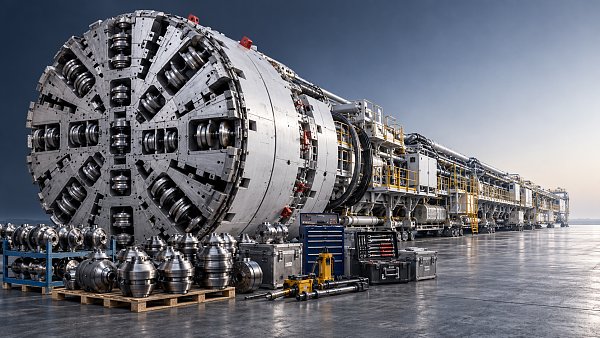
A tunnel project may require TBM supply insight, geological risk evaluation, logistics planning, and local compliance review.
An open-pit mining tender may depend on excavator productivity, haulage economics, fuel strategy, and high-altitude reliability.
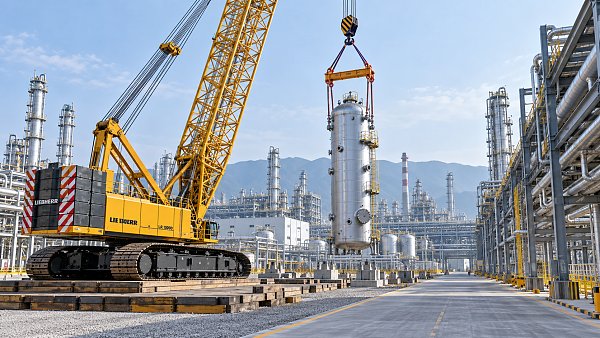
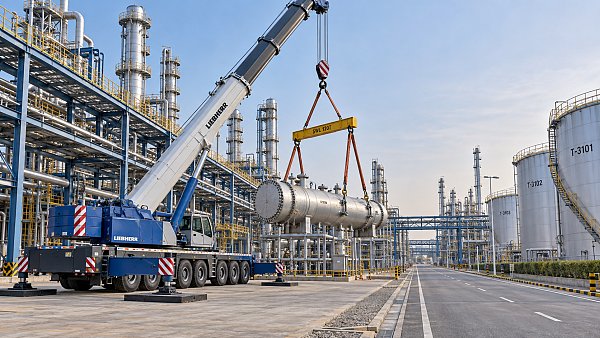
For ultra-large lifting projects, crane availability, ground pressure, component weights, and wind windows can reshape the bid outcome.
This is why global project tenders should be reviewed before technical teams prepare full designs or commercial teams price final offers.
Early screening protects scarce bid resources and avoids emotional commitment to projects with weak fundamentals.
Core question to ask
Does the opportunity match proven capability, available capacity, acceptable risk, and strategic market direction?
If the answer is unclear, global project tenders deserve deeper screening before expensive bid work begins.
How Should Technical Fit Be Checked in Global Project Tenders?
Technical fit is the first practical gate. It shows whether the tender can be delivered without excessive improvisation.
For TBM projects, review diameter, cutterhead design, advance rate assumptions, rock abrasiveness, water pressure, and segment logistics.
For mining projects, examine bench height, material hardness, fleet matching, dump truck cycles, and maintenance infrastructure.
For crawler crane work, evaluate lift charts, boom configuration, ground preparation, rigging design, and transport route constraints.
Global project tenders can look profitable until hidden technical mismatches appear in mobilization, commissioning, or site execution.
- Compare tender specifications with completed reference projects.
- Identify assumptions requiring third-party verification.
- Check whether special equipment is owned, leased, or unavailable.
- Estimate engineering hours before bid approval.
- Flag performance guarantees that exceed field evidence.
Technical scoring should not be symbolic. It must influence whether global project tenders move forward or stop early.
Which Commercial Signals Reveal a Tender’s Real Quality?
Commercial quality depends on more than contract value. Payment certainty, financing source, currency exposure, and margin structure matter.
Some global project tenders offer large headline numbers but impose harsh liquidity pressure through delayed milestones.
Others include attractive advance payments but transfer geological, weather, customs, or interface risks to the bidder.
A disciplined evaluation converts tender excitement into measurable commercial questions.
Commercial checks before resource commitment
- Is funding approved, conditional, or still politically uncertain?
- Are payment milestones aligned with actual cash needs?
- Can price escalation cover steel, fuel, freight, and energy volatility?
- Are liquidated damages proportional to controllable performance factors?
- Does the contract allow fair relief for force majeure events?
Global project tenders should be ranked by risk-adjusted margin, not only by revenue size.
A smaller tender with stable financing may outperform a prestigious project with weak payment discipline.
How Can Risk Appetite Be Matched With Tender Conditions?
Every organization can tolerate some risk. The problem appears when global project tenders hide risks outside approved boundaries.
Risk appetite should be defined before bid enthusiasm affects judgment.
For cross-border infrastructure, key risks often include licensing, sanctions, customs delays, tax disputes, and local labor rules.
For heavy equipment projects, risks also include spare parts supply, fuel quality, operator skills, and extreme climate performance.
Global project tenders in remote mining regions require special attention to haul road maintenance, tire consumption, and emergency support.
A risk register should distinguish known facts, reasonable assumptions, and critical unknowns.
A simple red, amber, and green structure helps compare global project tenders across regions and equipment categories.
When Should a Tender Be Declined Before Full Bidding?
Declining early is not failure. It is disciplined capital protection.
Many global project tenders consume engineering, legal, financial, and executive attention before revealing poor competitiveness.
A tender should be declined when qualification barriers are unclear, decision criteria are opaque, or award probability is structurally low.
It should also be declined when required equipment availability conflicts with existing obligations.
For example, a TBM commitment cannot be treated like a short-term rental decision.
Manufacturing slots, cutterhead engineering, shipping, crew training, and commissioning can define the entire project calendar.
Common decline triggers
- Unverified employer financing or unstable project ownership.
- One-sided liability exceeding realistic insurance coverage.
- Technical specifications written around a competitor’s unique capability.
- Tender timeline too short for reliable cost validation.
- Local compliance demands not compatible with delivery model.
Global project tenders should earn bid resources through evidence, not pressure from headline project size.
How Can Intelligence Improve Tender Evaluation Accuracy?
Reliable intelligence turns fragmented tender data into decision-ready insight.
In heavy industry, isolated documents rarely reveal the full opportunity picture.
Global project tenders should be cross-checked against project history, local procurement habits, equipment demand, and raw material signals.
TF-Strategy focuses on these intelligence links across TBM, open-pit mining, lifting machinery, road machinery, and haulage systems.
Its Strategic Intelligence Center connects geological, hydraulic, mechanical, logistics, and commercial viewpoints.
This matters because global project tenders often reflect broader infrastructure cycles, energy transitions, or mining expansion strategies.
Signals such as 5G remote excavation, electric mining trucks, or new TBM cutterhead materials can affect competitiveness.
Intelligence also helps distinguish genuine demand from speculative tender activity.
Useful intelligence inputs
- Recent awards in the same country or project corridor.
- Known funding institutions and approval milestones.
- Equipment fleet shortages or surplus in the region.
- Local contractor partnerships and political procurement patterns.
- Material supply volatility for steel, tires, batteries, and hydraulics.
Better intelligence does not guarantee success. It improves selectivity before global project tenders consume critical resources.
FAQ: Practical Answers for Screening Global Project Tenders
A structured FAQ review helps convert global project tenders into comparable business cases.
The best evaluation process is repeatable, evidence-based, and fast enough to protect opportunity timing.
Conclusion: Build a Pre-Bid Gate Before Spending Bid Capital
Global project tenders should be evaluated through technical fit, commercial strength, risk exposure, and strategic value.
The strongest bid decisions are made before teams become emotionally invested in the pursuit.
Use a clear gate: screen, verify, score, escalate, and decide.
For complex infrastructure and heavy equipment opportunities, intelligence is not optional support.
It is the decision brain that connects machinery capability, construction methodology, market timing, and financial discipline.
Before committing major bid resources, compare each opportunity with confirmed facts and realistic delivery capacity.
That discipline helps turn global project tenders into selective growth, not uncontrolled pursuit cost.
For deeper evaluation, build a tender intelligence checklist and review it before every major international bid decision.
Related News
 Oct 18, 2026How Equipment Specifications Affect Purchase, Installation, and Operating CostsExplore equipment specification planning cost factors that shape purchase, installation, and operating budgets. Compare lifecycle costs, avoid oversizing, and buy with confidence.
 Oct 17, 2026Tunnel Boring Machine Supplier List: Compare TBM Types and Service CoverageExplore our tunnel boring machinery supplier list to compare EPB, slurry and hard rock TBMs, assess service coverage and lifecycle costs, and build a smarter procurement shortlist.
 Oct 16, 2026Heavy-Duty Petrochemical Lifting: Selecting Cranes by Load, Radius, and Site AccessExplore heavy-duty petrochemical lifting solutions. Compare cranes by load, radius, site access, and ground support to reduce project risk and optimize lifting costs.
 Oct 15, 2026Crane Selection for Petrochemical Turnarounds: Capacity, Radius, and Site AccessExplore petrochemical lifting solutions cranes can deliver, with expert guidance on capacity, working radius, and site access to help you plan a safer, more efficient turnaround.

Ms. Elena Rodriguez
Weekly Insights
Stay ahead with our curated technology reports delivered every Monday.