
Geotechnical construction insights that prevent costly site delays
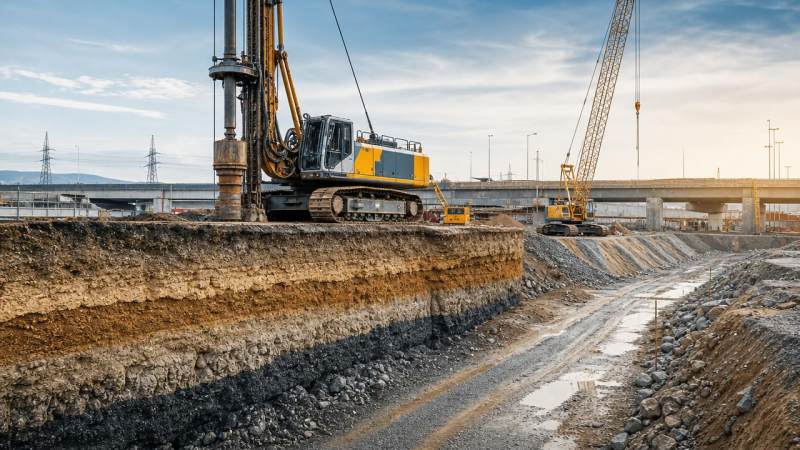
Costly site delays often begin before excavation, lifting, or haul-road preparation starts. Strong geotechnical construction insights help teams understand ground behavior, choose fit-for-purpose machinery, and reduce uncertainty across complex infrastructure delivery.
In tunnels, mines, transport corridors, and heavy lifting platforms, subsurface risk can quietly reshape productivity. Groundwater, weak layers, boulders, swelling clays, and variable rock strength all affect schedule reliability.
For intelligence-led platforms such as TF-Strategy, geotechnical construction insights matter because equipment performance and construction methodology depend on geology. Better decisions link site investigation, machine selection, and operational strategy from the earliest planning stage.
Understanding geotechnical construction insights in practical terms
Geotechnical construction insights are actionable findings about soil, rock, groundwater, and terrain behavior. They turn raw investigation data into construction decisions that reduce risk, improve sequencing, and protect budget assumptions.
They are not limited to lab reports. Useful geotechnical construction insights connect borehole logs, geophysics, historical records, and equipment constraints with actual site execution needs.
This matters across the broader heavy industry landscape. TBM drives depend on cutter wear prediction, open-pit mines need slope confidence, and crawler cranes require stable bearing capacity for safe lifting operations.
When these insights arrive late, teams face redesign, slower production, change orders, and avoidable standby time. When they arrive early, planning becomes more realistic and contingency becomes measurable.
Core components of reliable ground intelligence
- Subsurface stratigraphy and material variability
- Groundwater level, pressure, and seasonal movement
- Rock mass quality and discontinuity patterns
- Settlement, heave, and slope instability potential
- Bearing capacity for access roads, pads, and cranes
- Constructability impacts on equipment productivity
Why the industry is paying closer attention
Infrastructure projects are becoming larger, deeper, and more compressed in schedule. At the same time, many sites face denser urban surroundings, stricter safety expectations, and more demanding environmental controls.
These conditions increase the value of geotechnical construction insights. Delays caused by unknown ground are expensive because they affect labor, equipment utilization, logistics, and contract milestones together.
Another reason is digitalization. Site sensing, drilling databases, machine telemetry, and geological modeling now allow faster interpretation. The opportunity is not just more data, but better translation into field action.
Business value across planning, equipment, and delivery
Well-developed geotechnical construction insights protect more than technical quality. They support productivity, cost control, safety, and contractor coordination across the full project lifecycle.
Schedule protection
Ground uncertainty often creates stop-start operations. Early insight helps sequence excavation zones, drainage works, support installation, and material handling with fewer interruptions.
Equipment alignment
Heavy machinery must fit actual ground conditions. A TBM face strategy, excavator bucket choice, or crane mat design can fail if based on incomplete subsurface understanding.
Cost predictability
Better geotechnical construction insights improve quantity estimates for stabilization, dewatering, grouting, and temporary works. That reduces pricing distortions and late-stage claim exposure.
Safety performance
Slope failures, sinkage, sudden inflows, and platform collapse are rarely random. They usually reflect unseen conditions that stronger investigation and interpretation could have highlighted.
For decision platforms focused on heavy industry, the link is clear. Physical parameters, ground conditions, and construction methods must be understood together, not as separate technical documents.
Typical project scenarios where delays begin
Many delays do not come from a single major failure. They emerge from several underestimated ground issues that slowly reduce output and increase rework.
These examples show why geotechnical construction insights should influence procurement timing, staging plans, machine utilization assumptions, and contingency design before field mobilization.
How to turn subsurface data into useful action
The most effective geotechnical construction insights are decision-oriented. They do not stop at describing the ground. They explain what the ground means for methods, rates, support systems, and equipment limits.
1. Investigate for construction decisions
Site investigations should target actual execution risks. Borehole spacing, test depth, and sampling methods must reflect excavation geometry, loading zones, and groundwater sensitivity.
2. Build a variability map
Average values can hide critical transitions. Map zones of weak ground, abrasive rock, cavities, and perched water so teams can adjust methods by location rather than by broad site label.
3. Link geology with machinery performance
Use ground data to estimate penetration rates, cutter consumption, tire wear, traction loss, and crane platform behavior. This is where geotechnical construction insights create direct operational value.
4. Stress-test temporary works
Access roads, crane pads, shoring, and dewatering systems often trigger early delays. Treat them as critical production assets, not minor support items.
5. Update the model during execution
Ground conditions evolve in understanding as work progresses. Face mapping, settlement readings, piezometers, and machine telemetry should refine the initial assumptions continuously.
Practical considerations for complex infrastructure programs
- Separate geological uncertainty from productivity optimism in baseline schedules.
- Assign trigger thresholds for inflow, settlement, slope movement, and pad deformation.
- Check whether imported fill and raw materials match design assumptions.
- Review seasonal rainfall, freezing, and heat effects on access and stability.
- Confirm that specialist equipment suppliers receive ground data early enough.
- Document decision logic so redesign can be faster if conditions change.
Across TBM projects, mining operations, and ultra-large lifting work, the strongest programs treat geotechnical construction insights as a live management tool. They integrate them into planning reviews, progress tracking, and risk escalation.
That approach matches the broader role of intelligence-led engineering platforms. Strategic value comes from stitching together geology, machine capability, construction method, and commercial consequence into one decision framework.
Next-step actions for more confident delivery
Start with a focused review of current investigation quality, construction assumptions, and machinery plans. Identify where geotechnical construction insights are missing, outdated, or disconnected from execution strategy.
Then prioritize the highest-impact uncertainties. These usually involve groundwater, variable strata, platform capacity, and production-critical interfaces between heavy equipment and ground behavior.
For organizations tracking global heavy industry, a disciplined intelligence process supports this work. Better visibility into methods, machine evolution, and project conditions can improve readiness before delays begin to compound.
In the end, geotechnical construction insights are not only technical observations. They are schedule protection tools, cost control tools, and confidence-building tools for complex infrastructure execution.
Related News
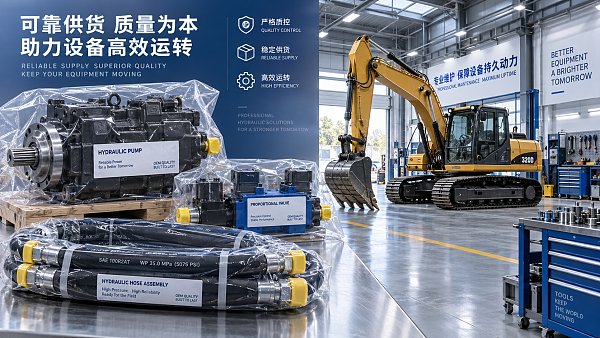
 Oct 07, 2026How to Evaluate a Hydraulic System Component Supplier for Heavy Equipment UptimeChoose a hydraulic system component supplier with proven quality, technical fit, and reliable delivery to reduce heavy equipment downtime and lifecycle costs.
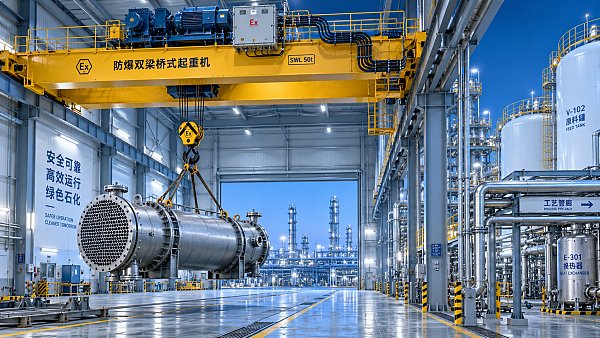
 Oct 06, 2026Selecting Petrochemical Overhead Cranes for Hazardous Areas and Heavy Process LoadsPetrochemical overhead cranes for hazardous areas: learn how to match capacity, duty, controls, corrosion protection, and maintenance access for safer, reliable lifts.
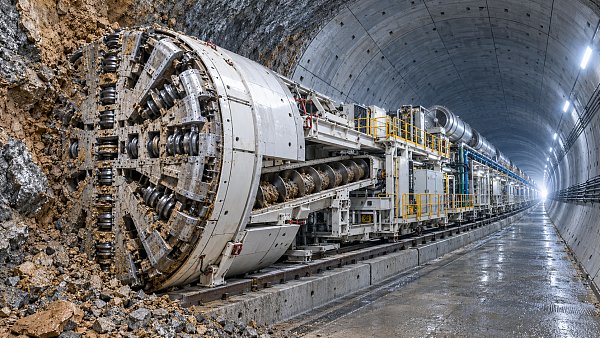
 Oct 05, 2026Tunneling Equipment Specification Planning: Key Criteria for Ground and Project RisksEquipment specification planning tunneling: learn how to match TBM systems to ground risks, geometry, safety, logistics, and lifecycle cost for more reliable project delivery.
 Oct 04, 2026Nuclear Lifting Equipment Cost: Budgeting for Compliance, Testing, and Lifecycle RiskNuclear lifting equipment cost explained: budget for compliance, proof-load testing, installation, documentation, and lifecycle risk to make confident procurement decisions.
Ms. Elena Rodriguez
Weekly Insights
Stay ahead with our curated technology reports delivered every Monday.