
Heavy equipment market analysis shows where margins are shifting
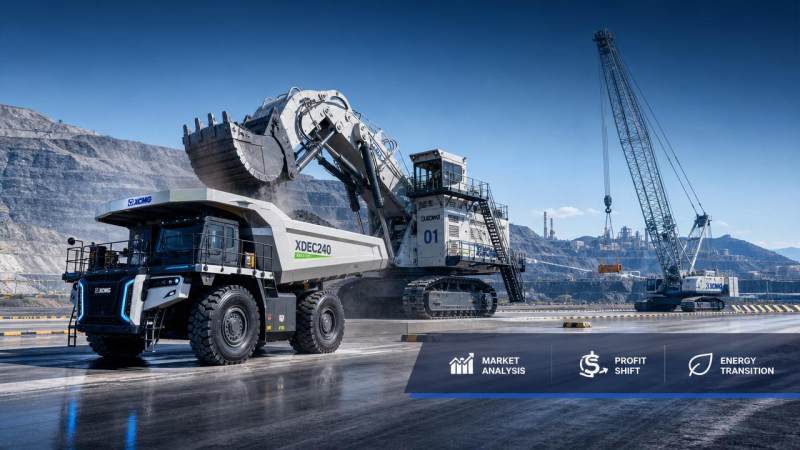
Heavy equipment market analysis is revealing a clear shift in where profits are made across mining, tunneling, lifting, and road-building segments. For enterprise decision-makers, margin pressure is no longer driven only by equipment prices, but by energy transition, project complexity, uptime demands, and lifecycle cost control. This article examines the structural forces reshaping profitability and what they mean for strategic investment, fleet planning, and competitive positioning.
Why heavy equipment market analysis now matters more than price benchmarking
For many executive teams, heavy equipment market analysis used to mean comparing purchase prices, financing rates, and supplier lead times. That approach is no longer sufficient. Margins are now shifting across the value chain because asset utilization, energy costs, digital integration, and after-sales support increasingly determine commercial outcomes.
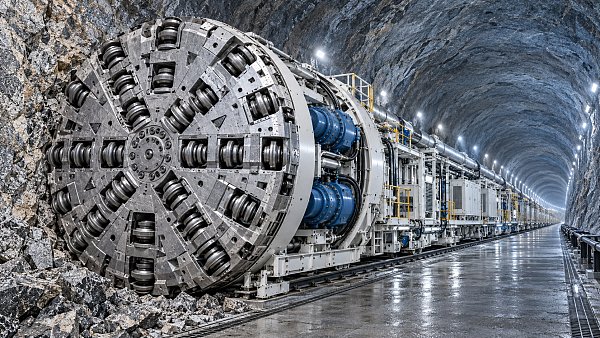
In mining, tunneling, and ultra-large lifting, project risk has become more expensive than capital cost alone. A delayed TBM launch, an underperforming mining dump truck fleet, or a crawler crane mismatch on a wind installation can erase expected profit faster than a higher upfront unit price ever could.
That is why decision-makers need a market view that links equipment specifications to project methods, geological conditions, duty cycles, and contract structures. This is exactly where TF-Strategy creates value: it connects machinery parameters, construction realities, and strategic infrastructure demand into decision-ready intelligence.
- Profitability is moving from one-time equipment sales toward uptime assurance, parts availability, and operator productivity.
- Electrification and remote control are changing cost models, especially in open-pit mining and high-compliance worksites.
- Infrastructure complexity is rewarding firms that align machine selection with site-specific execution constraints.
Where margins are shifting across core heavy equipment segments
A practical heavy equipment market analysis should separate volume growth from margin quality. Some segments may expand in unit demand while seeing weaker profitability. Others may remain relatively niche but generate stronger returns through engineering specialization, service intensity, or compliance barriers.
The table below summarizes how margin logic is changing across the segments most relevant to TF-Strategy’s intelligence coverage.
The key lesson from this heavy equipment market analysis is simple: margins are increasingly created after procurement, during execution. Firms that buy around operational fit outperform firms that buy around list price.
Why specialization is earning a premium
Specialized heavy equipment often operates in projects with higher technical barriers and fewer acceptable substitutions. Urban tunneling, mountain crossings, offshore-adjacent lifting, and high-altitude mining all reward suppliers and contractors that can reduce uncertainty. That premium shows up in service contracts, support packages, and schedule reliability.
For enterprise buyers, this means the best margin opportunities may lie in narrower, technically demanding categories rather than broad, commoditized machine classes.
What is actually compressing profitability for contractors and operators?
A rigorous heavy equipment market analysis should identify not only growth drivers, but also margin leakage points. In today’s market, profitability is being compressed by structural forces that cut across equipment categories.
Four pressure points executives should track
- Energy transition costs. Hybrid, electric, and low-emission equipment can improve long-term economics, but charging infrastructure, grid constraints, and technology maturity complicate near-term investment cases.
- Project complexity. Mixed geology, tighter urban jobsite restrictions, and larger component dimensions are increasing the penalty for wrong machine selection.
- Uptime dependency. Large assets produce revenue only when operating. Parts delays, weak field service coverage, and insufficient predictive maintenance can turn a high-capacity fleet into a low-margin fleet.
- Contractual exposure. Liquidated damages, safety obligations, and performance guarantees now connect machinery decisions directly to financial risk.
This is where TF-Strategy’s Strategic Intelligence Center becomes relevant. Decision-makers need more than vendor brochures. They need insight into project tenders, supply chain constraints, raw material signals, technology adoption curves, and commercial feasibility across regions.
How should buyers compare equipment options when margin logic has changed?
When heavy equipment market analysis points to execution-stage profitability, procurement teams need a more disciplined comparison model. The most useful framework combines technical fit, operating economics, compliance readiness, and delivery confidence.
The following decision table can help enterprise buyers screen competing solutions before detailed commercial negotiation.
This framework turns heavy equipment market analysis into a board-level decision tool. It helps executives compare not just machines, but business models: capital purchase, service-backed supply, modular deployment, or technology-led fleet modernization.
A practical procurement sequence
- Define the project outcome first: throughput, schedule, safety, and environmental targets.
- Translate those targets into machine-level performance requirements.
- Stress-test suppliers against operating conditions, not generic catalog claims.
- Quantify margin sensitivity to downtime, energy, and consumable costs.
- Lock in support, parts, and data service expectations before final award.
Which application scenarios are creating the strongest strategic opportunities?
Not every project environment rewards the same fleet strategy. A useful heavy equipment market analysis maps demand and margin potential by application scenario rather than by equipment category alone.
Urban tunneling and underground infrastructure
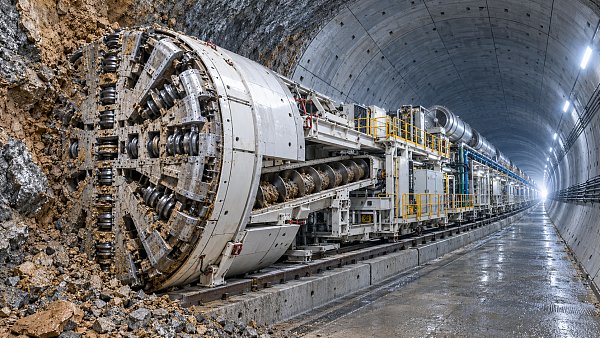
In urban tunneling, machine reliability, cutter consumption, muck handling continuity, and settlement control can outweigh all other cost drivers. Projects often operate under intense schedule and public-impact pressure. That favors integrated technical planning and specialized intelligence on geology, tooling, and execution methods.
Open-pit mining under fuel and decarbonization pressure
Open-pit operators are rethinking margins around haulage efficiency, electrification pathways, and remote operation. The commercial logic of pure electric mining trucks or hybrid support systems depends on route design, power availability, payload discipline, and temperature conditions. Broad assumptions can be costly.
Wind power, nuclear, and petrochemical lifting
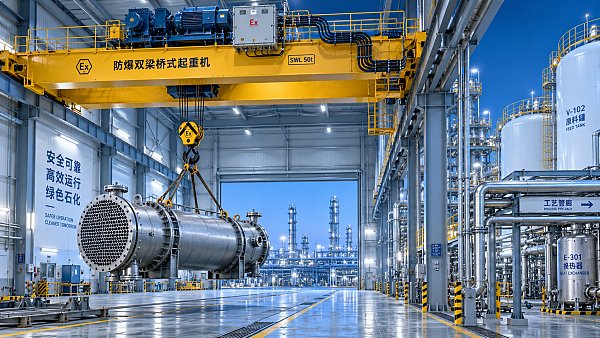
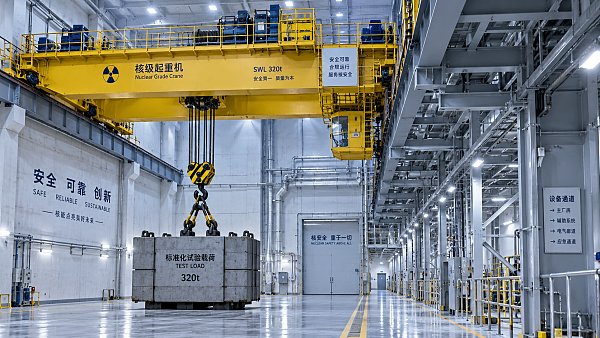
Large lifting projects increasingly require careful crane configuration, transport planning, and installation sequencing. In these environments, margin gains come from reducing idle assembly time, minimizing weather delays, and matching crane geometry to component size and site layout.
High-spec road construction programs
Road machinery profitability is shifting toward quality consistency and digital control. On projects with strict smoothness, compaction, or production targets, the wrong machine can create rework risk and contractual deductions that far exceed the procurement savings.
What role do standards, compliance, and data systems play in margin protection?
For enterprise decision-makers, heavy equipment market analysis must include compliance readiness. Safety rules, emissions expectations, lifting documentation, and digital reporting requirements increasingly influence who can bid, who can mobilize, and who can scale internationally.
While exact requirements vary by country and project owner, buyers should evaluate equipment and suppliers against common areas such as operator safety systems, maintenance traceability, emissions pathway alignment, inspection readiness, and data interoperability.
- For lifting equipment, documentation quality and inspection discipline can directly affect site acceptance.
- For mining fleets, dispatch integration and telematics reliability increasingly matter for optimization and reporting.
- For tunneling projects, ground response monitoring and consumable traceability help reduce execution uncertainty.
TF-Strategy’s advantage lies in translating these technical and regulatory variables into commercial decisions. That is especially useful for cross-border projects, where contract teams, equipment teams, and operations teams often work from different assumptions.
Common misconceptions that weaken heavy equipment investment decisions
Many weak purchasing outcomes come from familiar but outdated assumptions. A disciplined heavy equipment market analysis helps management avoid them early.
Misconception 1: The lowest acquisition price protects margin
In reality, low-price equipment can become high-cost equipment if it drives excessive fuel use, tool wear, assembly delays, or spare-part dependency. Margin protection depends on total operating fit.
Misconception 2: Bigger machines always improve productivity
Oversized equipment can reduce flexibility, complicate transport, increase idle time, and create mismatch with downstream processes. The best solution is the one that fits the production system, not just the capacity headline.
Misconception 3: Digital features are optional add-ons
Telematics, predictive maintenance, and remote operation readiness increasingly influence utilization, labor productivity, and safety performance. In large fleets or remote projects, they are becoming core profit levers rather than optional extras.
FAQ: what enterprise buyers ask during heavy equipment market analysis
How should we prioritize purchase price versus lifecycle cost?
Use purchase price as only one decision layer. For high-duty assets, compare energy consumption, wear parts, maintenance intervals, operator efficiency, and downtime risk over the expected project horizon. If a machine works in a critical path role, uptime value often outweighs upfront savings.
Which scenarios justify premium equipment or support packages?
Premium configurations are usually justified where delay penalties are high, operating conditions are extreme, geology is uncertain, or safety compliance is strict. Typical examples include urban TBM drives, high-altitude haulage routes, major wind component lifts, and road projects with tight quality tolerances.
What should we ask suppliers before finalizing a heavy equipment investment?
Ask for duty-cycle assumptions, parts support plans, field service response, digital integration details, operator training scope, commissioning steps, and the main performance constraints under your actual site conditions. Also ask what project data they need from you to validate fit.
How can we reduce risk when new energy equipment is under consideration?
Model the full operating ecosystem, not just the machine. Review grid access, charging or energy supply strategy, route design, temperature profile, maintenance capability, and fallback plans. Pilot deployment in a defined operating zone is often more prudent than immediate full-fleet conversion.
Why TF-Strategy is a practical partner for market intelligence and equipment decision support
TF-Strategy is built for decision-makers who cannot afford disconnected information. Its focus on TBM systems, open-pit mining, crawler cranes, large road machinery, and mining dump trucks allows teams to move beyond generic market commentary into equipment-specific, project-linked intelligence.
The platform’s strength is not only in tracking sector news. It helps organizations understand tender signals, raw material implications, technology evolution, remote-control trends, cutter head material changes, and the commercial logic behind electrified and digital heavy equipment.
- If you need parameter confirmation, TF-Strategy can help connect technical specifications with actual operating scenarios.
- If you are comparing options, it can support product selection logic based on TCO, uptime, compliance, and schedule sensitivity.
- If delivery timing is critical, it can help assess supply-side risk and project sequencing implications.
- If your project requires a tailored approach, it can inform customized solution planning around geology, haulage, lifting geometry, or paving quality needs.
- If your team is preparing for internal approval, it can strengthen quotation discussions with a more defensible intelligence base.
For companies navigating margin pressure, heavy equipment market analysis is no longer a background research exercise. It is a direct input into capital allocation, bid competitiveness, and operational resilience. If your team is evaluating specifications, fleet strategy, delivery cycles, certification expectations, or project-fit scenarios, TF-Strategy offers a more precise starting point for better decisions.
Related News
 Oct 06, 2026Selecting Petrochemical Overhead Cranes for Hazardous Areas and Heavy Process LoadsPetrochemical overhead cranes for hazardous areas: learn how to match capacity, duty, controls, corrosion protection, and maintenance access for safer, reliable lifts.
 Oct 05, 2026Tunneling Equipment Specification Planning: Key Criteria for Ground and Project RisksEquipment specification planning tunneling: learn how to match TBM systems to ground risks, geometry, safety, logistics, and lifecycle cost for more reliable project delivery.
 Oct 04, 2026Nuclear Lifting Equipment Cost: Budgeting for Compliance, Testing, and Lifecycle RiskNuclear lifting equipment cost explained: budget for compliance, proof-load testing, installation, documentation, and lifecycle risk to make confident procurement decisions.
 Oct 03, 2026How to Assess TBM Manufacturers for Hard-Rock Tunneling Projects?Choose the right tunnel boring machine manufacturer for hard-rock projects. Explore key criteria for design, lifecycle cost, factory quality, and service support.
Ms. Elena Rodriguez
Weekly Insights
Stay ahead with our curated technology reports delivered every Monday.