
Geotechnical engineering solutions can cut project risk early
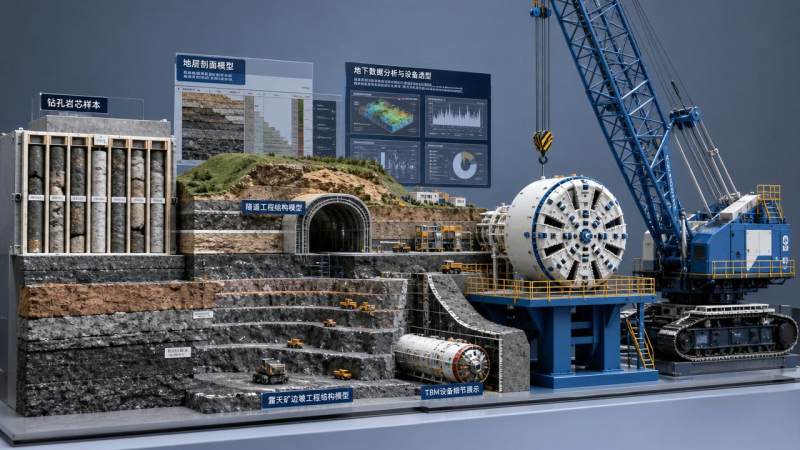
For technical evaluators, geotechnical engineering solutions are one of the earliest and most effective ways to reduce uncertainty before major construction begins. By turning subsurface data into practical design, risk, and equipment decisions, these solutions help teams prevent delays, control costs, and improve safety across complex infrastructure, mining, and tunneling projects.
Why do geotechnical engineering solutions matter so early in project evaluation?
In heavy civil works, the ground is often the largest unknown. Technical evaluators may receive preliminary topography, concept layouts, and equipment assumptions, yet still lack confidence in what lies below grade. That gap can distort schedules, procurement plans, and risk allowances long before excavation starts.
Effective geotechnical engineering solutions convert borehole logs, geophysics, lab tests, hydrogeology, and excavation behavior into usable decisions. These decisions affect foundation type, temporary works, tunnel method, slope stabilization, dewatering strategy, and the matching of machinery to real ground conditions.
For organizations working across tunneling, open-pit mining, and ultra-large lifting environments, the value is even higher. A poor understanding of rock mass class, groundwater pressure, or settlement sensitivity can trigger cutter wear, slope instability, crane pad failure, or major redesign during execution.
- Early geotechnical engineering solutions improve bid realism by replacing assumptions with measurable subsurface constraints.
- They help technical evaluators align construction methodology with actual geology, not optimistic concept drawings.
- They support safer equipment deployment, especially where high loads, deep cuts, tunnel drives, and groundwater control interact.
- They reduce lifecycle cost by limiting claims, delays, emergency treatment, and unnecessary overdesign.
What technical evaluators are really trying to avoid
The main concern is not only whether the soil or rock is “good” or “bad.” The concern is whether the uncertainty is manageable. Projects fail early when ground behavior is discovered too late, when equipment is selected on incomplete data, or when risk contingencies are too generic to guide procurement.
Which project risks can geotechnical engineering solutions cut first?
Before contractors commit to major packages, technical evaluators need a structured risk picture. The table below shows how geotechnical engineering solutions influence high-impact decisions across infrastructure, mining, and tunneling contexts.
The common thread is timing. When geotechnical engineering solutions are applied before methodology and equipment are locked in, teams can still change alignment, foundation philosophy, support class, or logistics sequencing at manageable cost.
Why this matters in the TF-Strategy context
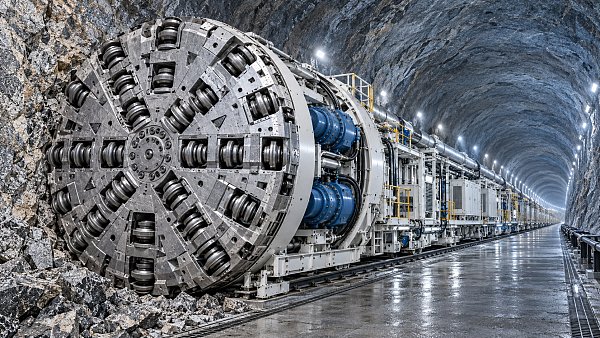
TF-Strategy operates where mechanical capability and ground reality must match precisely. In TBM projects, ground characterization affects penetration rate assumptions, torque demand, wear pattern expectations, and segment handling logistics. In mining and heavy lifting, it affects haul road formation, pit wall stability, crane standing zones, and asset utilization under severe environmental conditions.
How do geotechnical engineering solutions support equipment and method selection?
Technical evaluators are often asked to review machinery options before final site behavior is fully understood. That is risky. Geotechnical engineering solutions create the bridge between subsurface conditions and machine parameters, helping procurement teams avoid overpowered, underprotected, or mismatched equipment.
Typical decision links
- For TBM works, rock abrasivity, fracture frequency, and groundwater pressure affect cutter choice, sealing strategy, and intervention planning.
- For open-pit operations, rock strength and weathering profile affect excavator bucket strategy, blasting interface, and truck cycle stability.
- For crawler cranes, near-surface variability affects crane pad design, mobilization corridor preparation, and allowable lifting radius under settlement limits.
- For road machinery, subgrade moisture sensitivity and compaction behavior affect paving sequence and material conditioning plans.
This is where TF-Strategy adds practical value. Its intelligence-led approach connects physical machine parameters with construction methodology and site constraints. That helps evaluators move beyond catalog comparison and assess whether a proposed asset can perform reliably in the actual ground envelope of the project.
What should technical evaluators check before approving a geotechnical scope?
A weak geotechnical program creates false confidence. A strong one is not just larger; it is targeted. The scope should be designed around decisions that the project must make, not around a generic number of boreholes.
Use the following evaluation table when reviewing proposed geotechnical engineering solutions for complex projects.
A robust review should end with decision clarity: what is confirmed, what remains uncertain, what requires contingency, and what should trigger a different construction strategy. That is the real output technical evaluators need from geotechnical engineering solutions.
A practical checklist
- Confirm whether the investigation addresses the most failure-sensitive zones, not only the easiest drilling locations.
- Check whether groundwater behavior is treated as dynamic, especially in seasonal, coastal, or dewatered environments.
- Review whether design parameters are conservative enough for temporary works, not only permanent structures.
- Ask whether the findings have been translated into equipment implications, maintenance exposure, and production assumptions.
Application scenarios: where do geotechnical engineering solutions deliver the fastest value?
Urban and mountain tunneling
In urban tunneling, settlement control, utility protection, and face stability can dominate project risk. In mountain tunneling, fault zones, squeezing ground, and water inflow often drive method changes. Geotechnical engineering solutions help define excavation class transitions, support timing, and realistic TBM versus drill-and-blast boundaries.
Open-pit mining expansion
For mine planners and evaluators, the subsurface model affects slope angles, waste stripping sequence, drainage investment, and fleet productivity. If geotechnical data are weak, a pit may appear economical on paper but become unstable or heavily constrained during expansion.
Heavy lifting and energy infrastructure
Wind power, nuclear, and petrochemical projects rely on very high temporary ground loads. Geotechnical engineering solutions support crane pad design, transport route preparation, and lift planning under variable fill, reclaimed land, or weather-sensitive soils. Small ground errors can create large schedule impacts when heavy components are already mobilized.
Common mistakes that increase cost despite having geotechnical data
Many projects do not fail because geotechnical work was absent. They fail because the work was disconnected from procurement, sequencing, and equipment decisions. Technical evaluators should watch for these recurring issues.
- Treating borehole density as a quality guarantee while ignoring whether critical interfaces were actually investigated.
- Using average parameters where localized weak zones govern failure risk.
- Focusing on permanent design while underestimating temporary works such as access roads, pads, shafts, and cut slopes.
- Selecting equipment from nominal capacity tables without checking ground-induced operating restrictions.
- Assuming groundwater is static, even when excavation, rainfall, or nearby works may change pore pressure conditions.
The corrective action is straightforward: require geotechnical engineering solutions to end with decision pathways. Each uncertain ground condition should link to a method response, monitoring threshold, or equipment contingency.
How TF-Strategy helps technical evaluators turn geotechnical findings into better decisions
TF-Strategy is positioned at the intersection of ground conditions, heavy equipment capability, and project strategy. That matters because technical evaluators rarely need geology in isolation. They need to understand how geology changes the commercial and operational profile of a project.
Through its Strategic Intelligence Center, TF-Strategy tracks global project signals across TBM systems, mining fleets, crawler cranes, road machinery, and heavy haulage trends. This perspective helps evaluators compare not only engineering feasibility, but also delivery implications, equipment suitability, and total cost exposure.
Typical support areas
- Interpreting how subsurface conditions may influence machine specification and construction sequence.
- Reviewing whether project assumptions align with known trends in TBM wear, remote excavation, haulage electrification, and site logistics.
- Helping contractors and evaluators reduce TCO by identifying risks that drive rework, underutilization, or avoidable downtime.
- Supporting decision-making where project tenders, material supply, and specialized equipment timelines must be evaluated together.
FAQ: what do technical evaluators ask most about geotechnical engineering solutions?
How early should geotechnical engineering solutions be introduced?
Ideally during concept development or pre-bid review. If subsurface intelligence starts only after equipment strategy, alignment, or temporary works are fixed, the project loses flexibility. Early geotechnical engineering solutions have the highest value when they can still change layout, method, or procurement assumptions.
Are geotechnical engineering solutions only for foundation design?
No. They also affect excavation method, dewatering, slope control, ground improvement, settlement monitoring, haul road performance, crane platform design, and TBM operating assumptions. For technical evaluators, their value lies in cross-disciplinary impact rather than a single design package.
What is the most common procurement mistake?
Choosing machines or methods based on nominal capacity without connecting them to actual ground behavior. A machine may be technically impressive yet poorly matched to abrasive rock, weak subgrade, groundwater pressure, or settlement limits. Geotechnical engineering solutions reduce this mismatch.
How can evaluators judge whether a ground model is decision-ready?
A decision-ready model translates raw investigation data into design parameters, variability zones, construction implications, and contingency triggers. If the output stops at logs and test results, the model is informative but not yet operational for procurement or risk allocation.
Why choose us for geotechnical engineering solutions insight and project intelligence?
TF-Strategy is built for professionals who must connect geology, machinery, construction logic, and strategic delivery pressure. For technical evaluators, that means support that goes beyond isolated data points. It means clearer links between subsurface conditions, equipment fit, method selection, and commercial consequences.
If you are assessing geotechnical engineering solutions for a tunnel, mining, lifting, or major infrastructure project, you can consult TF-Strategy on practical topics such as parameter confirmation, equipment and method selection, likely delivery constraints, specialized supply context, risk-focused scope review, and intelligence inputs for quotation or tender evaluation.
Contact us when you need a sharper view of how ground conditions may influence TBM planning, open-pit sequencing, crane platform readiness, road machinery deployment, or heavy-haul operations. A better early decision usually starts with better interpretation, not more guesswork.
Related News
 Oct 06, 2026Selecting Petrochemical Overhead Cranes for Hazardous Areas and Heavy Process LoadsPetrochemical overhead cranes for hazardous areas: learn how to match capacity, duty, controls, corrosion protection, and maintenance access for safer, reliable lifts.
 Oct 05, 2026Tunneling Equipment Specification Planning: Key Criteria for Ground and Project RisksEquipment specification planning tunneling: learn how to match TBM systems to ground risks, geometry, safety, logistics, and lifecycle cost for more reliable project delivery.
 Oct 04, 2026Nuclear Lifting Equipment Cost: Budgeting for Compliance, Testing, and Lifecycle RiskNuclear lifting equipment cost explained: budget for compliance, proof-load testing, installation, documentation, and lifecycle risk to make confident procurement decisions.
 Oct 03, 2026How to Assess TBM Manufacturers for Hard-Rock Tunneling Projects?Choose the right tunnel boring machine manufacturer for hard-rock projects. Explore key criteria for design, lifecycle cost, factory quality, and service support.
Ms. Elena Rodriguez
Weekly Insights
Stay ahead with our curated technology reports delivered every Monday.