
Why large-scale construction projects miss deadlines early
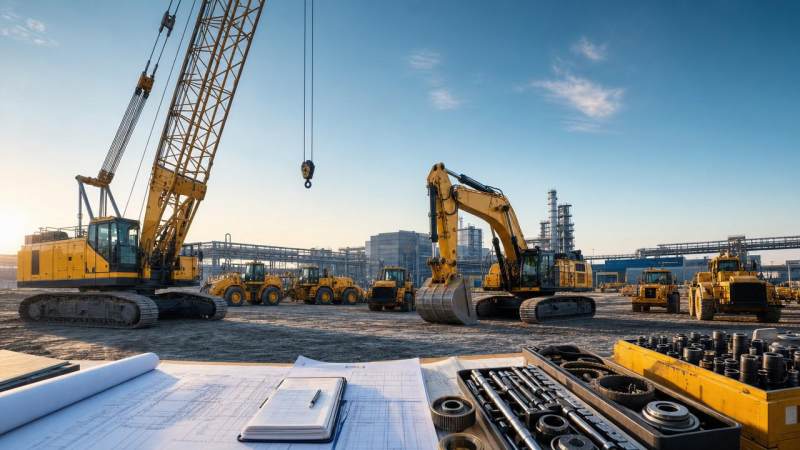
Why do large-scale construction projects start missing deadlines long before crews fall behind on site? For project managers and engineering leaders, early schedule slippage usually begins with hidden risks in planning, procurement, equipment coordination, and decision-making. This article explores the upstream warning signs that quietly derail delivery timelines and shows how sharper strategic insight can help teams prevent costly delays before they become visible.
Why large-scale construction projects miss deadlines before field work slows down
Most large-scale construction projects do not fail on schedule because one crew suddenly underperforms. They slip because the delivery system was fragile from the start. By the time the site team reports lost productivity, the causes usually sit upstream in design freeze delays, equipment allocation conflicts, slow procurement cycles, and incomplete risk mapping.
For project managers, the practical question is not whether delays are visible on site. It is whether the project was already losing time during bidding, engineering coordination, logistics planning, or supplier alignment. In heavy infrastructure, especially where TBM systems, crawler cranes, road machinery, ultra-large excavators, or mining haulage fleets are involved, early decisions shape the entire schedule curve.
- A tender may be won on an aggressive milestone plan that does not match realistic lead times for imported heavy equipment or critical wear parts.
- A design package may reach site in phases, forcing re-sequencing and causing cranes, transport, and subcontractors to wait for late technical clarification.
- A project may assume standard operating conditions, then encounter geology, altitude, haul road limitations, or lifting radius constraints that were predictable but not translated into the schedule baseline.
This is why large-scale construction projects often miss deadlines early: the project calendar looks intact, but the execution logic underneath is already out of sync with equipment reality, supply chain timing, and decision governance.
What early warning signs should project leaders watch first?
The earliest schedule risks are rarely dramatic. They appear as small mismatches between planning assumptions and delivery constraints. When several of these signals accumulate, large-scale construction projects begin to lose float before any official delay notice appears.
The table below summarizes common early indicators that project managers and engineering leads should review during mobilization and pre-execution control meetings.
These signals matter because they reveal structural fragility, not just temporary inconvenience. When large-scale construction projects show two or three of these symptoms together, schedule recovery becomes much more expensive than early intervention.
The most overlooked trigger: decision latency
In many projects, the hidden source of delay is not a missing machine or a late shipment. It is slow decision-making. Technical questions move between owner, EPC, designer, supplier, and field teams without a firm escalation path. A seven-day approval drift can easily turn into a six-week delay when manufacturing slots, shipping dates, or crane windows are affected.
This is especially important in heavy industry environments where a single unresolved parameter, such as cutterhead configuration, lifting weight revision, or haul cycle assumption, can block dependent work packages across multiple contractors.
Where large-scale construction projects lose time upstream
Schedule slippage usually begins in four upstream zones: planning logic, procurement readiness, equipment strategy, and market intelligence. Project leaders who only monitor field productivity often discover the problem too late.
1. Planning logic that ignores equipment reality
A baseline schedule may look mathematically sound but still be operationally weak. If activity durations do not reflect real assembly time, commissioning requirements, operator learning curves, maintenance intervals, or geological uncertainty, the project is already behind in practical terms.
- TBM projects can underestimate time needed for segment logistics, cutter inspection cycles, slurry handling, or muck removal coordination.
- Crawler crane operations can be delayed when lifting studies, ground bearing checks, and component delivery sequencing are treated as separate tasks rather than one integrated system.
- Open-pit and haulage programs can miss targets when cycle time assumptions ignore altitude effects, weather windows, or tire and fuel support limitations.
2. Procurement that starts too late or too narrowly
Large-scale construction projects often treat procurement as a purchasing exercise instead of a schedule-control function. That is a costly mistake. The real issue is not unit price alone. It is whether equipment, components, wear parts, transport capacity, and technical support will arrive in the right sequence.
When the procurement team lacks visibility into long-lead manufacturing cycles, regional supply constraints, or specialized raw material exposure, the project may lock in a vendor that cannot support the actual delivery plan.
3. Equipment coordination gaps across packages
Heavy equipment does not operate in isolation. A TBM depends on segment plants, grout systems, power supply, ventilation, and spoil removal. A large crane depends on route access, pad design, component staging, and weather controls. One missing interface can neutralize the value of the main asset.
This is why early delivery delays in large-scale construction projects frequently come from integration failures, not from the primary machine itself.
4. Weak intelligence on market and supply conditions
Heavy infrastructure decisions are exposed to tender cycles, commodity trends, shipping volatility, energy transition demand, and regional capacity bottlenecks. If project teams plan in isolation from these signals, they underestimate how fast equipment lead times and support costs can shift.
This is where a specialized intelligence platform such as TF-Strategy creates value. By connecting machinery parameters, construction methodology, tender activity, supply-side changes, and commercial implications, project teams can spot timing risk before it turns into a contractual issue.
How procurement and equipment selection shape schedule certainty
For project management teams, choosing equipment is not only a technical decision. It is a delivery strategy decision. The wrong configuration may appear workable on paper but create chronic delays through maintenance burden, low adaptability, or poor supplier responsiveness.
The comparison below helps explain why large-scale construction projects should evaluate equipment packages through a schedule lens, not just a capital expenditure lens.
A schedule-led approach does not mean paying more without discipline. It means understanding total delivery exposure. In many large-scale construction projects, a lower purchase price is quickly erased by idle crews, crane standby costs, late milestone penalties, or redesign work caused by poor fit.
Procurement questions that should be asked earlier
- What are the real manufacturing and transport lead times for the exact configuration, not the brochure version?
- Which components are dependent on specialized raw materials or global supply bottlenecks?
- What site conditions could reduce effective productivity compared with nominal capacity?
- What maintenance events are likely during the first six months, and are critical spares pre-positioned?
- Does the supplier have technical response capability in the project region, or will all escalations wait on overseas coordination?
A practical framework for preventing early schedule slippage
Project leaders need a control framework that turns hidden timing risk into visible management action. The goal is not to predict every disruption. It is to identify the small delays that compound inside large-scale construction projects and to act before they reach the critical path.
Build a pre-delay review around five control points
- Validate scope maturity: confirm that drawings, interfaces, technical queries, and owner decisions are advanced enough to release procurement without hidden rework.
- Stress-test lead times: compare contractual promises with market conditions, tender congestion, freight realities, and regional customs or permit constraints.
- Map equipment dependencies: connect primary machines to supporting systems, access works, utilities, operators, maintenance tools, and spare parts.
- Assign decision deadlines: unresolved technical and commercial issues need named owners, escalation triggers, and response windows.
- Monitor intelligence signals: track supply conditions, raw material changes, infrastructure demand cycles, and regulatory shifts that can affect timing or cost.
This framework is particularly valuable in heavy civil, underground, mining, transport, and energy-linked infrastructure where schedule certainty depends on machinery integration. TF-Strategy supports this decision model by linking equipment data, construction method insights, and strategic market intelligence into one planning perspective.
Why intelligence matters more in heavy infrastructure
A generic news feed does not tell a project manager whether a tunneling package may face cutterhead material availability issues, whether remote-controlled excavation trends could change equipment choices, or whether electrification in mining transport is reshaping supplier priorities. Specialized intelligence does.
That is the practical advantage of TF-Strategy’s Strategic Intelligence Center. It helps engineering leaders interpret the relationship between machinery capability, project methodology, supply risk, and commercial timing, which is often where early deadline loss begins.
Common misconceptions about deadline misses in large-scale construction projects
“If the site is still active, the project is still on track.”
Not necessarily. Activity on site can mask declining schedule quality. Teams may stay busy while burning float, working around missing equipment, or absorbing design uncertainty through inefficient resequencing.
“Delays mainly come from contractor execution.”
Execution matters, but many early delays originate in decisions made before full mobilization. Unrealistic bid assumptions, incomplete engineering, and procurement gaps can burden even strong contractors with a weak delivery setup.
“Buying faster equipment solves schedule risk.”
Higher nominal capacity helps only when the surrounding system can support it. A more powerful machine cannot compensate for permit delays, missing spares, poor staging plans, or unresolved interfaces.
FAQ: what project managers ask about early delays
How early can large-scale construction projects show signs of deadline risk?
Often during tender preparation, concept engineering, or the first procurement release. If the baseline depends on unconfirmed equipment availability, vague scope definitions, or optimistic approval timing, the delay signal already exists before field output drops.
Which project types are most exposed to upstream delay risk?
Projects with high machinery dependence are especially exposed. This includes tunneling, open-pit mine development, large-component lifting programs, transport corridor paving, and heavy-haul operations. In these settings, machine selection, logistics, and support planning strongly influence schedule reliability.
What should be reviewed before finalizing equipment selection?
Review actual operating conditions, support systems, maintenance needs, logistics feasibility, regional service capability, and lead-time sensitivity. For large-scale construction projects, the best option is usually the one that protects delivery continuity, not simply the one with the lowest initial quote.
Can market intelligence really reduce schedule risk?
Yes, when it is specific enough to guide action. Intelligence on tenders, specialized materials, fleet trends, technology shifts, and supplier behavior helps teams make earlier decisions on sourcing, sequencing, spares, and contingency planning.
Why choose us for strategic insight on schedule-critical heavy infrastructure?
TF-Strategy is built for decision-makers who cannot afford blind spots in large-scale construction projects. Our focus is not generic commentary. We connect TBM systems, open-pit mining machinery, crawler cranes, road machinery, and mining dump trucks with real project methodology, supply-side dynamics, and commercial implications.
For project managers and engineering leaders, that means support in areas that directly affect deadlines: parameter confirmation, equipment selection logic, expected delivery windows, spare parts exposure, methodology comparison, and risk signals tied to global infrastructure demand and heavy equipment evolution.
- Need to compare equipment options for tunneling, lifting, haulage, or continuous excavation?
- Need insight into delivery cycles, supply constraints, or suitability under altitude, temperature, geology, or access limitations?
- Need a clearer view of TCO, operational risk, maintenance exposure, or technology direction before procurement commitment?
Contact TF-Strategy to discuss parameter checks, product selection, delivery timing, custom intelligence needs, certification-related considerations, and quotation-oriented project research. When large-scale construction projects start missing deadlines early, the best recovery point is usually before the delay becomes visible.
Related News
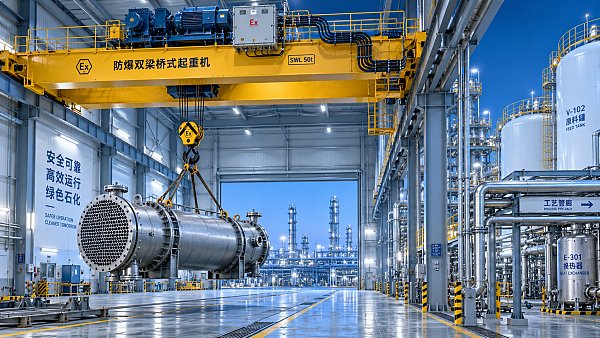
 Oct 06, 2026Selecting Petrochemical Overhead Cranes for Hazardous Areas and Heavy Process LoadsPetrochemical overhead cranes for hazardous areas: learn how to match capacity, duty, controls, corrosion protection, and maintenance access for safer, reliable lifts.
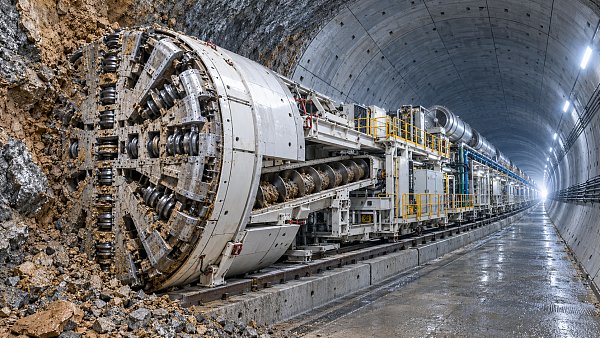
 Oct 05, 2026Tunneling Equipment Specification Planning: Key Criteria for Ground and Project RisksEquipment specification planning tunneling: learn how to match TBM systems to ground risks, geometry, safety, logistics, and lifecycle cost for more reliable project delivery.
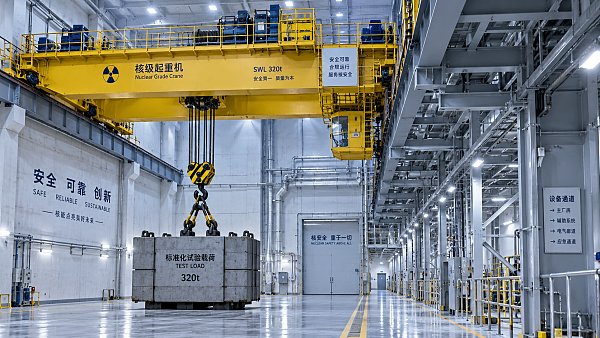
 Oct 04, 2026Nuclear Lifting Equipment Cost: Budgeting for Compliance, Testing, and Lifecycle RiskNuclear lifting equipment cost explained: budget for compliance, proof-load testing, installation, documentation, and lifecycle risk to make confident procurement decisions.
 Oct 03, 2026How to Assess TBM Manufacturers for Hard-Rock Tunneling Projects?Choose the right tunnel boring machine manufacturer for hard-rock projects. Explore key criteria for design, lifecycle cost, factory quality, and service support.
Ms. Elena Rodriguez
Weekly Insights
Stay ahead with our curated technology reports delivered every Monday.