
Heavy equipment operations can fail without this planning
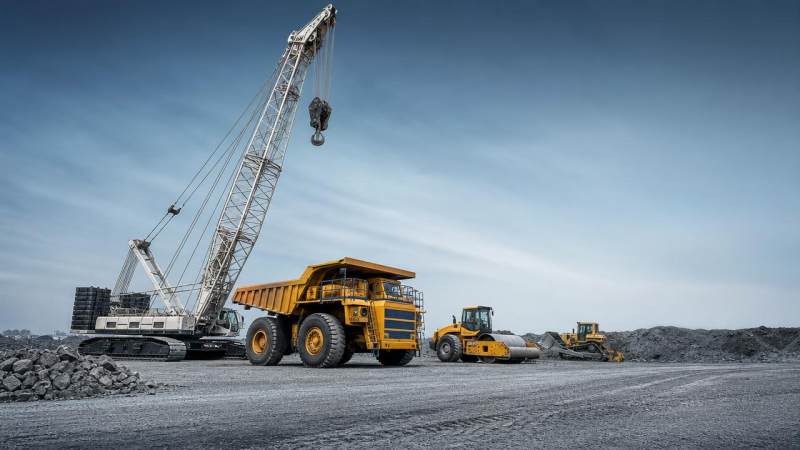
Heavy equipment operations rarely fail because machines lack strength. They fail when planning does not connect equipment capability, terrain, schedule, logistics, and risk control into one workable system.
In large civil, mining, tunneling, and lifting environments, delays usually begin before the first engine starts. Poor sequencing, weak haul modeling, rushed mobilization, and unclear contingency paths quietly erode performance.
Strong heavy equipment operations depend on disciplined planning. It aligns machine physics, site constraints, operator workflow, maintenance windows, and delivery milestones into a realistic execution path.
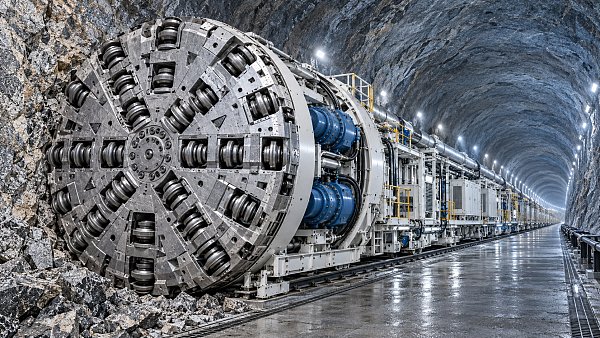
For intelligence-led platforms such as TF-Strategy, this planning lens matters across TBM deployment, open-pit extraction, crawler crane lifts, road machinery coordination, and mining truck fleet utilization.
Planning as the operating foundation
Heavy equipment operations are the organized movement of force, precision, timing, and safety. Planning converts those elements from isolated tasks into a coordinated production system.
A machine may meet catalog specifications yet still underperform on site. Ground pressure, weather exposure, access width, fuel access, and support equipment often decide actual output.
This is especially true in mixed infrastructure settings. Tunnel works, open-pit mines, wind projects, and petrochemical installations all demand different planning assumptions for heavy equipment operations.
The planning objective is simple. Match the right machine, in the right sequence, with the right support resources, under the right operating envelope.
Core planning dimensions
- Equipment selection based on real duty cycles, not brochure maximums
- Site readiness, including access roads, laydown zones, drainage, and utilities
- Production sequencing between excavation, lifting, transport, and installation
- Maintenance, spares, and service response planning
- Safety barriers, lifting controls, and emergency recovery procedures
Why heavy equipment operations break down in the field
Most failures come from planning gaps that looked minor during review. Once work starts, those gaps multiply across fuel, staffing, access, cycle time, and shutdown exposure.
In heavy equipment operations, one weak assumption can interrupt an entire chain. A delayed component lift can idle transport crews, inspection teams, and follow-on installation activities.
Common breakdown points
These failures are expensive because heavy equipment operations involve high fixed costs. Every lost hour affects fuel, labor, utilization, and downstream contractual commitments.
Current industry signals shaping planning priorities
Planning standards are changing across global infrastructure. Equipment is larger, schedules are tighter, and environmental controls are stricter. That raises the importance of integrated operating intelligence.
TF-Strategy tracks this shift across five equipment pillars. Each pillar reveals how modern heavy equipment operations increasingly depend on data-rich preparation rather than field improvisation.
Key signals in the market
- TBM projects demand tighter geological forecasting and cutter intervention planning
- Open-pit mines require better haul optimization under altitude and temperature stress
- Crawler crane projects face stricter lift engineering and assembly sequencing
- Road machinery programs need paving precision tied to digital quality control
- Mining truck fleets increasingly integrate electrification and charging strategy
Across these sectors, heavy equipment operations now depend on planning that includes materials, communications, service access, digital monitoring, and contingency response from day one.
Business value created by stronger heavy equipment operations
Well-planned heavy equipment operations do more than reduce disruption. They improve capital efficiency, increase output stability, and protect project quality where delays are difficult to recover.
The value becomes visible in utilization rates, lower rework, safer lift execution, better fuel performance, and more dependable milestone achievement across complex work fronts.
Practical business outcomes
- Lower total cost of ownership through fewer breakdowns and better fleet balance
- Higher schedule confidence during tunneling, bulk earthworks, and major lifts
- Improved safety performance from planned exclusion zones and recovery methods
- Better asset productivity through realistic cycle design and support coordination
- Stronger decision quality using intelligence on geology, climate, and market supply
This is why strategic intelligence matters. Planning should not end with equipment procurement. It should continue through mobilization, execution, adaptation, and post-shift performance review.
Typical planning paths across major operating scenarios
Different project types require different planning structures. Yet the best heavy equipment operations always connect machine capability with geology, logistics, sequence, and support availability.
These examples show that heavy equipment operations are never only about the machine. They are about the entire engineered environment surrounding the machine.
Planning methods that improve field performance
Effective planning should be specific, measurable, and revisable. It must convert broad schedules into operating logic that crews and support teams can execute every shift.
Recommended practices
- Model actual production cycles before mobilization begins
- Verify ground, weather, and access assumptions through site-specific checks
- Build primary and fallback sequences for critical lifts and excavation stages
- Plan support assets with the same rigor as primary machines
- Use daily feedback loops for utilization, idle time, and constraint analysis
- Link maintenance planning to production peaks, not only calendar intervals
Digital tools can strengthen heavy equipment operations, but only if they reflect physical reality. Telemetry, remote monitoring, and dispatch software must support practical field decisions.
This is where intelligence platforms deliver value. High-authority sector analysis helps teams compare equipment pathways, understand technology shifts, and anticipate supply or performance constraints early.
Operational cautions that should not be overlooked
Several planning mistakes remain common even in advanced projects. They often appear when schedules accelerate and operating assumptions are accepted without field validation.
- Assuming rated machine capacity equals sustainable site productivity
- Ignoring bottlenecks created by roads, spares, or laydown congestion
- Treating safety planning as separate from production planning
- Overlooking weather sensitivity for lifting, slope work, and remote haulage
- Failing to update plans when geology or material behavior changes
Heavy equipment operations succeed when planning remains active. It should evolve with field evidence, not remain fixed after the kickoff meeting.
A practical next step for better execution
Start by reviewing one active or upcoming operation through a planning lens. Check equipment match, support balance, ground conditions, logistics timing, and contingency coverage in one integrated review.
For organizations following global heavy industry, TF-Strategy provides a useful intelligence framework. It connects machine parameters, construction methodology, and strategic infrastructure demand in one decision view.
When heavy equipment operations are planned with this level of discipline, projects gain more than uptime. They gain predictability, safety, and stronger control over cost, quality, and delivery.
Related News
 Oct 06, 2026Selecting Petrochemical Overhead Cranes for Hazardous Areas and Heavy Process LoadsPetrochemical overhead cranes for hazardous areas: learn how to match capacity, duty, controls, corrosion protection, and maintenance access for safer, reliable lifts.
 Oct 05, 2026Tunneling Equipment Specification Planning: Key Criteria for Ground and Project RisksEquipment specification planning tunneling: learn how to match TBM systems to ground risks, geometry, safety, logistics, and lifecycle cost for more reliable project delivery.
 Oct 04, 2026Nuclear Lifting Equipment Cost: Budgeting for Compliance, Testing, and Lifecycle RiskNuclear lifting equipment cost explained: budget for compliance, proof-load testing, installation, documentation, and lifecycle risk to make confident procurement decisions.
 Oct 03, 2026How to Assess TBM Manufacturers for Hard-Rock Tunneling Projects?Choose the right tunnel boring machine manufacturer for hard-rock projects. Explore key criteria for design, lifecycle cost, factory quality, and service support.
Ms. Elena Rodriguez
Weekly Insights
Stay ahead with our curated technology reports delivered every Monday.