
Global Infrastructure Investment: What Buyers Should Check Before Sourcing Heavy Equipment
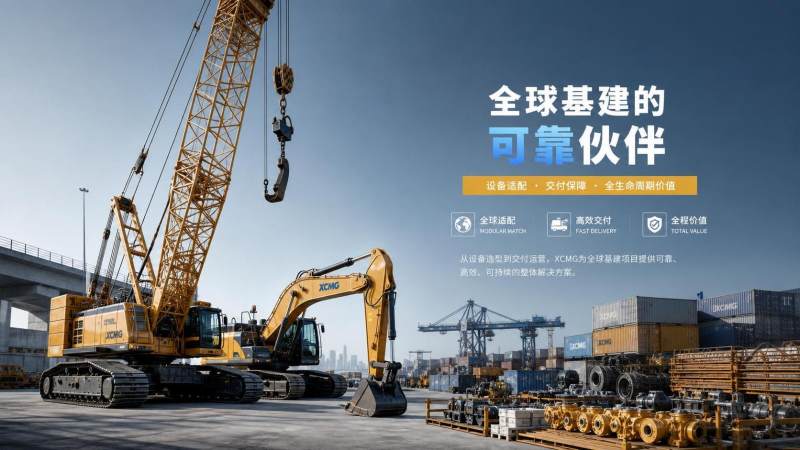
Global Infrastructure Investment: What Buyers Should Check Before Sourcing Heavy Equipment
In global infrastructure projects, sourcing heavy equipment is never just about the lowest quote.
The right machine affects schedule certainty, safety performance, fuel use, compliance, and resale value.
That also means a weak purchase decision can quietly raise total project cost for years.
From recent market shifts, one signal is clear: buyers need deeper checks before issuing final orders.
In global infrastructure, equipment must match site reality, not just brochure performance.
This guide explains what to review before sourcing heavy equipment with lower risk and better long-term value.
Start With Project Fit, Not Catalog Specs
Many heavy equipment purchases fail because the machine looks powerful on paper but struggles on site.
In global infrastructure, site conditions vary sharply across tunnels, ports, highways, mines, and energy projects.
Ground pressure, haul distance, altitude, humidity, transport access, and local maintenance capability all matter.
A crawler crane for offshore wind assembly has different demands than one used in petrochemical lifting.
A TBM for mixed geology also requires different cutterhead logic than one for stable rock sections.
Key fit questions before sourcing
- What are the real operating hours expected per day and per season?
- Will the equipment work in extreme heat, cold, dust, or high altitude?
- How stable is the ground, and what mobility limits exist on site?
- Can the machine be transported, assembled, and commissioned without delay?
- Does the selected model support the required attachments, tooling, or digital controls?
In practice, a project-fit review often prevents expensive oversizing, undersizing, and avoidable downtime.
Check Total Cost of Ownership Early
Price is visible first, but operating cost usually decides whether a purchase performs financially.
For global infrastructure work, cost pressure continues long after the machine arrives on site.
Fuel burn, tire wear, cutter consumption, hydraulic efficiency, operator training, and parts replacement shape the real outcome.
This is especially true for mining dump trucks, ultra-large excavators, and continuously used road machinery.
A cheaper unit with unstable uptime can quickly become the most expensive option in the fleet.
Look beyond the purchase price
The smartest global infrastructure buyers compare delivered output per lifecycle dollar, not unit price alone.
Validate Supplier Credibility and Delivery Strength
Supplier risk is often underestimated during heavy equipment sourcing.
Yet in global infrastructure, delivery delays or weak technical support can disrupt an entire contract chain.
A reliable supplier should offer more than a machine and a promise.
It should show proven installations, stable production capacity, quality records, and post-sale accountability.
This becomes even more important with custom systems, long-lead components, and cross-border shipments.
What to verify in supplier due diligence
- Reference projects in similar climates, geology, and production conditions.
- Manufacturing lead time and bottlenecks in major subcomponents.
- Warranty scope, exclusions, and claim response process.
- Financial stability and continuity of regional support operations.
- Training, commissioning, and emergency troubleshooting capability.
At this stage, technical brochures should be secondary to evidence.
For global infrastructure sourcing, execution reliability usually beats aggressive sales language.
Review Compliance, Safety, and Regional Standards
Compliance problems rarely appear in the quotation stage, but they can stop deployment fast.
Global infrastructure projects often span different emissions rules, operator safety codes, and import regulations.
That means buyers should confirm legal fit before contract signing, not after arrival at port.
This applies to engine standards, electrical systems, lifting certification, and even onboard software requirements.
On high-risk sites, safety systems should be reviewed as operational tools, not checklist items.
- Confirm emissions and environmental standards for the destination market.
- Check lifting, braking, visibility, and emergency shutdown systems.
- Review operator cabin ergonomics for long-shift performance.
- Verify digital logging, telemetry, and inspection record compatibility.
- Make sure manuals, labels, and training materials meet local requirements.
A compliant machine protects both project continuity and brand reputation in global infrastructure delivery.
Assess Service, Parts, and Downtime Exposure
Heavy equipment creates value only when it keeps working.
In global infrastructure projects, downtime often costs far more than a spare part invoice.
One failed pump, missing bearing, or delayed cutter ring can affect labor, subcontractors, and milestone payments.
This is why lifecycle support should be discussed with the same rigor as machine performance.
The stronger signal is not parts availability on paper, but actual response under pressure.
Important service checks
- Critical spare parts list for the first 12 to 24 months.
- Mean time to repair for major failure scenarios.
- Remote diagnostics capability and software support access.
- Field technician coverage near the actual project location.
- Maintenance training for operators and local mechanics.
When comparing options, estimate downtime cost per day and include it in the sourcing decision.
Use Data to Judge Productivity Claims
Heavy equipment marketing often highlights peak output, but sourcing decisions need average, repeatable performance.
In global infrastructure, small efficiency gaps become major cost gaps over long project cycles.
That is why buyers should request operating data from comparable applications whenever possible.
Ask for payload consistency, cycle times, cutter life, fuel records, and utilization reports.
If the supplier cannot support claims with field evidence, treat forecast savings carefully.
This matters even more as remote monitoring, semi-automation, and electrification enter global infrastructure fleets.
Advanced features can improve control and efficiency, but only when site conditions and teams are ready.
Useful technology should reduce cost or risk clearly, not add complexity without measurable return.
Build a Smarter Sourcing Checklist
A disciplined checklist keeps equipment sourcing grounded in business reality.
For global infrastructure, the best buying decisions usually balance performance, support, compliance, and lifecycle cost.
That balance is where professional market intelligence becomes especially valuable.
TF-Strategy tracks the equipment logic behind tunnels, mines, lifting systems, and strategic earth engineering.
Its focus on performance data, technical evolution, and commercial insight supports stronger sourcing judgment.
- Define the site, load, geology, climate, and operating target first.
- Calculate total cost of ownership with downtime risk included.
- Validate supplier credibility through references and support records.
- Confirm compliance, safety systems, and import readiness.
- Compare data-backed productivity, not headline claims alone.
In global infrastructure, better sourcing decisions are usually made before negotiations become urgent.
A careful review now can prevent cost overruns, missed milestones, and weak asset performance later.
Use each purchase as a strategic decision, and every machine will work harder for the project lifecycle.
Related News
 Sep 15, 2026How to Evaluate Infrastructure Equipment Suppliers for Complex Project RequirementsInfrastructure equipment solutions supplier evaluation guide for complex projects: assess technical fit, lifecycle cost, reliability, local support, and contract risk.
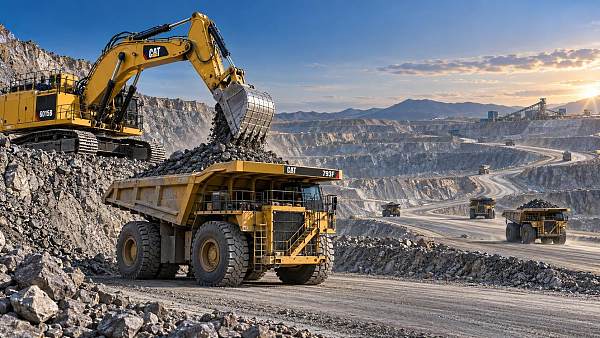
 Sep 14, 2026What Drives Surface Mining Equipment Cost Across a Mine’s Operating Life?Surface mining equipment cost depends on fleet matching, fuel, wear, maintenance, availability, and rebuild timing. Explore lifecycle strategies that protect output and margins.
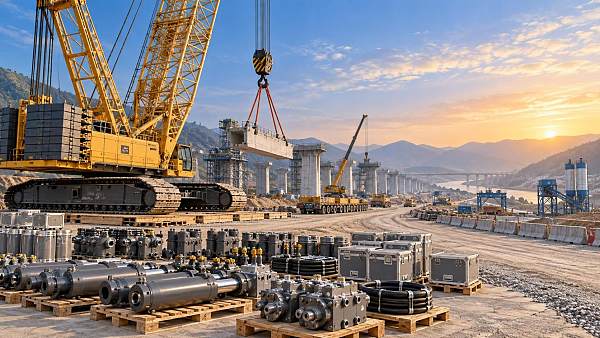
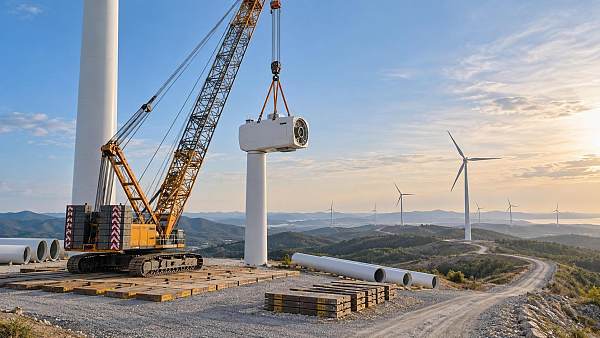
 Sep 13, 2026Crawler Crane Application Analysis for Wind Farms, Bridges, and Confined SitesCrawler crane application analysis for wind farms, bridges, and confined sites—optimize lift paths, ground conditions, access, and schedules for safer project delivery.
 Sep 12, 2026Open-Pit Mining in North America: Key Project Risks and Planning PrioritiesOpen-pit mining North America: uncover key risks and planning priorities for geology, permitting, water, fleet strategy, and resilient project delivery.
Ms. Elena Rodriguez
Weekly Insights
Stay ahead with our curated technology reports delivered every Monday.