
Petrochemical Flange Components Explained: Materials, Ratings, and Sealing Roles
Start with the flange assembly, not the flange alone
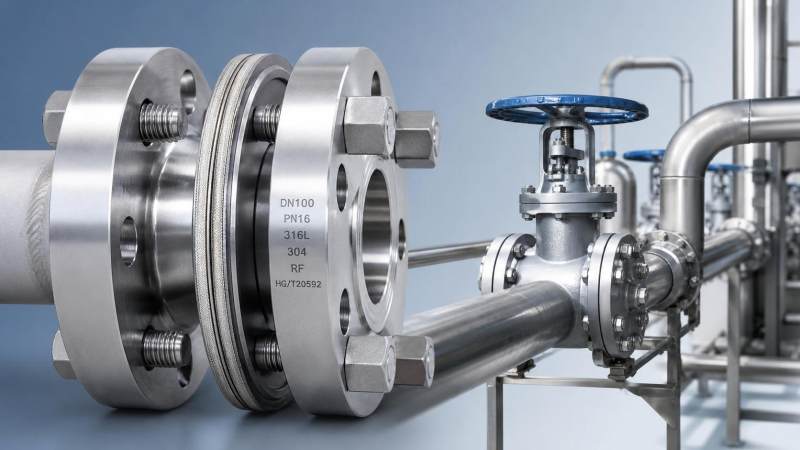
When technical evaluators review petrochemical flange components, the most common mistake is treating the flange as a standalone item. In service, it is never working alone. A leak path is shaped by the flange material, facing finish, gasket type, bolt load, operating temperature, thermal cycles, and what the line is actually carrying. If one of those is misread, a flange that looks fully compliant on paper can still become the weak point in a unit shutdown.
A practical review usually starts with one question: what is this joint expected to survive? Steady pressure is only part of the answer. Upset temperatures, sour service, corrosive traces, steam-out, flange opening during vibration, and repeated maintenance matter just as much. That is why petrochemical flange components should be checked as an assembly with a service envelope, not as a list of disconnected parts.
Check the basic component stack before comparing specifications
Before getting into ratings and metallurgy, confirm the actual joint configuration. On many bid reviews, confusion starts here.
- Flange body type: weld neck, slip-on, socket weld, threaded, lap joint, or blind.
- Facing style: raised face, ring type joint, flat face, tongue and groove, or male and female.
- Gasket category matched to that facing.
- Bolting set: stud bolts or machine bolts, plus nut material and coating if used.
- Any insulation kits, backing rings, cladding, or corrosion barriers that change load transfer or sealing behavior.
This sounds elementary, but a lot of bad evaluations come from comparing a forged carbon steel weld neck RF flange with a stainless lap joint setup as if they were interchangeable. They are not. The sealing mechanics and stress path are different from the start.
Match material to fluid, temperature, and damage mechanism
Material selection is where many expensive errors begin. Carbon steel may be perfectly acceptable in one hydrocarbon service and a bad choice in another if wet H2S, chlorides, amine contamination, or elevated temperature oxidation are part of the real operating condition. Stainless steel is not a universal upgrade either. In chloride-bearing systems, the wrong stainless grade can introduce stress corrosion concerns instead of solving them.
For evaluation, do not ask only, “What alloy is it?” Ask these instead:
- Is the flange base material aligned with the pipe material and the line class?
- Is corrosion allowance handled in the piping design, or is corrosion resistance expected from the flange material itself?
- Is the component solid alloy, clad, or overlaid, and which surface is actually exposed to process media?
- Are there service-specific restrictions from project specs, material requisitions, or sour service requirements?
A useful habit is to review the material test report against the purchase description and the line designation at the same time. If the flange marking, bolting grade, and gasket recommendation are reviewed separately, mismatches slip through.
Do not treat pressure class as an operating pressure guarantee
One of the most repeated misunderstandings around petrochemical flange components is the assumption that Class 150, 300, 600, or higher means the same allowable pressure at any temperature. It does not. Pressure-temperature ratings are tied to material group and standard tables, and the allowable pressure usually drops as temperature rises.
That means your evaluation should check:
- The governing flange standard in the project documentation, typically ASME-based for many petrochemical systems.
- The exact material grade or material group used for the rating table.
- The design temperature, not only normal operating temperature.
- Whether excursions, steam cleaning, startup, or regeneration create a higher short-duration temperature case.
A flange that is comfortably rated during normal operation may be marginal during a hot commissioning sequence. If the project has multiple thermal cases, review the most severe credible case that the joint will actually see.
Read the facing and gasket as one sealing interface
The flange face is not just a geometry detail. It defines how gasket stress is developed and retained. Raised face assemblies are common, but they only perform well when the gasket type, seating stress, surface finish, and bolt load all line up. Ring type joint flanges behave differently and are often selected for more severe pressure service because the seal mechanism is metal-to-metal through a ring seated in grooves, not broad gasket compression across a flat face.
Here is where technical reviews often go off track:
A frequent field problem is selecting a gasket because it matches the nominal size and class, while overlooking the actual facing standard and the required surface condition. On paper that looks complete. In service it is not.
Bolting is a load system, not a hardware accessory
If the gasket creates the seal, the bolts make that seal possible. Yet bolting is still one of the most underestimated flange components in petrochemical reviews. A flange joint with correct material and class can fail simply because the bolting cannot deliver or retain the required preload.
Look at bolt material grade, diameter, length, nut compatibility, lubrication assumptions, and installation method together. The question is not whether the bolts fit through the holes. The question is whether they can generate enough gasket seating stress without entering an unsafe stress range and whether that load will remain stable after temperature change, creep, vibration, or gasket relaxation.
Two practical checks help here. First, compare bolting grade to the line class and flange rating, not just to nominal size. Second, review whether the assembly procedure expects torque control, tensioning, or another controlled tightening method. A technically correct joint can still be assembled badly if the installation method is vague.
Geometry and alignment usually decide whether the seal survives real operation
Evaluators often spend hours on metallurgy and standards, then miss the mechanical basics that cause recurring leaks. Flange rotation, pipe end mismatch, angular misalignment, excessive external loads, and poor support conditions all change how gasket compression is distributed.
This is especially relevant on large-bore lines, hot services, and connected equipment nozzles. If the piping system imposes bending moments or thermal displacement beyond what the joint was effectively prepared to handle, the gasket does not see uniform compression anymore. One side unloads first. That is often where seepage begins.
When reviewing a flange package, ask for the line class, the piping isometric, and the service condition together if available. The flange component selection may be acceptable in isolation and still be weak in the installed configuration.
Pay attention to transitions, mixed materials, and maintenance reality
A lot of sealing trouble shows up at transitions: stainless to carbon steel, lined pipe to solid metal flange, equipment nozzle to field piping, or old flange face to new replacement gasket. Mixed-material assemblies bring differential thermal expansion, galvanic concerns in some environments, and different surface hardness at the sealing interface.
Maintenance history matters too, even during specification review. If a joint is opened frequently for inspection or cleaning, gasket selection and flange face durability become more important than in a static service with long run lengths. Some flange arrangements tolerate repeated opening better than others. Some gasket choices seal well once but are unforgiving after face damage or handling variation.
A working checklist for technical evaluation
When time is short, this is the sequence worth following:
- Confirm service conditions: fluid, contaminants, design pressure, design temperature, upset cases, and maintenance frequency.
- Verify flange type and facing against the piping class or requisition.
- Check flange material against corrosion mechanism, temperature range, and any service-specific material restrictions.
- Review pressure-temperature rating using the correct material grouping and governing standard table.
- Match gasket design to flange facing, fluid compatibility, and required seating stress.
- Review bolting grade and assembly method as part of the seal design, not as a procurement afterthought.
- Look for alignment risk, external piping loads, and mixed-material transitions that can disturb gasket compression.
- Cross-check flange markings, material certificates, and line class references before approval.
What usually deserves escalation
Some findings should not be left as minor comments. Escalate when the flange class appears to have been chosen from nominal pressure only, when gasket and face style do not clearly match, when bolt material is unspecified, when service chemistry could change the material decision, or when the operating envelope includes severe thermal cycling. Those are not paperwork details. They are the places where leaks, rework, and startup delays tend to concentrate.
The most reliable evaluations are usually the least glamorous ones. They trace the joint from metal grade to pressure table to gasket load path to installation method, and they keep asking the same grounded question: will this exact assembly stay sealed in this exact service? That is the level where petrochemical flange components stop being catalog items and start being real engineering decisions.
Related News
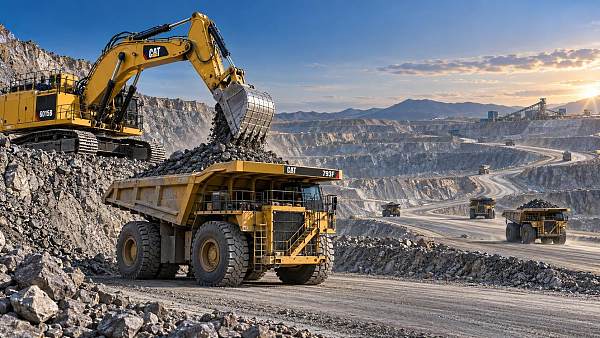
 Sep 14, 2026What Drives Surface Mining Equipment Cost Across a Mine’s Operating Life?Surface mining equipment cost depends on fleet matching, fuel, wear, maintenance, availability, and rebuild timing. Explore lifecycle strategies that protect output and margins.
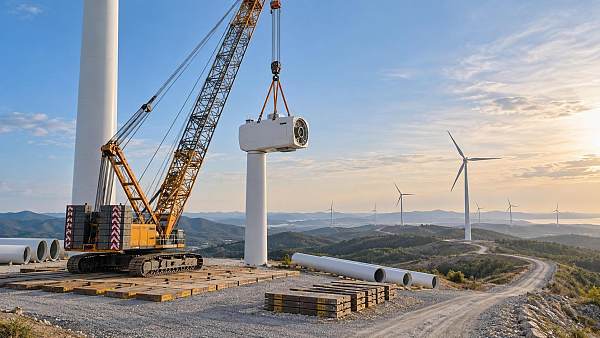
 Sep 13, 2026Crawler Crane Application Analysis for Wind Farms, Bridges, and Confined SitesCrawler crane application analysis for wind farms, bridges, and confined sites—optimize lift paths, ground conditions, access, and schedules for safer project delivery.
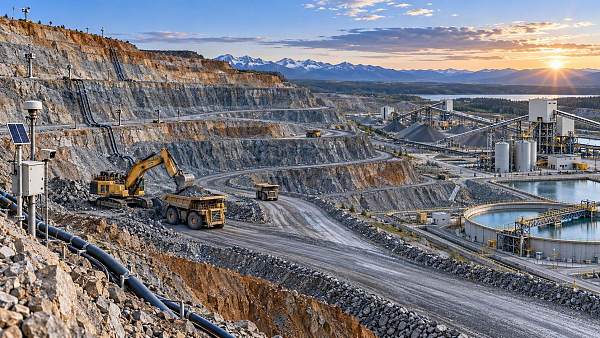
 Sep 12, 2026Open-Pit Mining in North America: Key Project Risks and Planning PrioritiesOpen-pit mining North America: uncover key risks and planning priorities for geology, permitting, water, fleet strategy, and resilient project delivery.
 Sep 11, 2026TBM Systems in Southeast Asia: Key Selection Factors for Variable Ground ConditionsTBM systems Southeast Asia: discover key selection factors for variable ground, pressure control, monsoon resilience, and safer tunnel delivery.

Ms. Elena Rodriguez
Weekly Insights
Stay ahead with our curated technology reports delivered every Monday.