
Heavy Equipment Auction Buying Guide: Inspection Points and Cost Risks
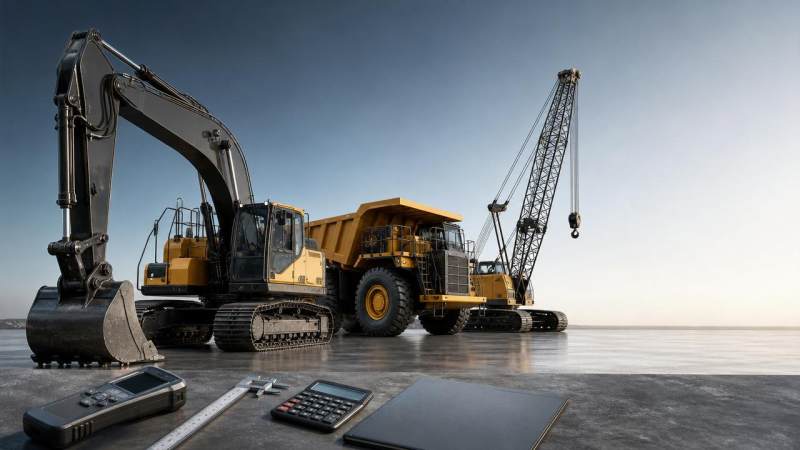
Buying through a heavy equipment auction can unlock fleet capacity at competitive prices, but real savings depend on disciplined inspection and risk control.
Every hour-meter reading, hydraulic leak, undercarriage condition, ownership document, and transport estimate can change total cost of ownership.
This guide explains how to evaluate a heavy equipment auction beyond headline prices, with scenario-based checkpoints for confident, data-driven bidding.
Why Heavy Equipment Auction Decisions Must Start With Use Scenarios
A heavy equipment auction is not only a price event. It is a risk transfer event with limited correction time.
Machines may look similar online, yet their value changes sharply by jobsite, duty cycle, climate, attachment needs, and compliance requirements.
A crawler excavator for quarry loading faces different risks than one used for pipeline trenching or urban demolition.
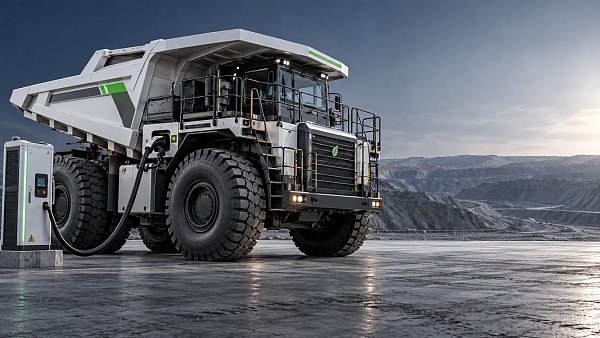
A mining truck sold at a heavy equipment auction may need tire, brake, and cooling analysis before any bid ceiling is reliable.
A tunnel support fleet has another priority: parts access, hydraulic stability, and compatibility with confined-space logistics.
Scenario judgment prevents a common mistake: comparing auction lots only by year, brand, and operating hours.
TF-Strategy views heavy machinery through power, precision, geology, haulage, and strategic deployment. Auction buying should follow the same logic.
Open-Pit Mining Scenario: Heavy Loads Reveal Hidden Cost Risks
In open-pit mining, a heavy equipment auction often includes large excavators, wheel loaders, dozers, graders, and mining dump trucks.
These assets may have worked under dust, vibration, steep gradients, and high payload cycles for years.
The first checkpoint is structural fatigue. Inspect boom roots, bucket linkages, frames, rear axles, and dump body welds.
Cracks near high-stress points can turn an attractive heavy equipment auction price into a major repair exposure.
The second checkpoint is powertrain history. Look for overheating signs, abnormal blow-by, coolant contamination, and transmission shift delay.
For mining dump trucks, evaluate tires carefully. Tire replacement can exceed the apparent discount achieved at a heavy equipment auction.
Brake wear, retarder performance, suspension cylinders, and differential noise deserve close attention in high-altitude or hot-climate mining regions.
Bid Ceiling Logic for Mining Equipment
- Set a repair reserve for tires, cylinders, cooling systems, and structural welding.
- Confirm parts availability before bidding on rare configurations.
- Compare fuel consumption against projected haul distance and grade.
- Avoid bidding without service records for engine or transmission rebuilds.
Urban Construction Scenario: Compliance and Versatility Matter More Than Size
Urban construction lots at a heavy equipment auction may include compact excavators, loaders, pavers, rollers, telehandlers, and mobile cranes.
The key question is not maximum power. It is whether the machine fits noise, emission, mobility, and workspace limits.
A low-priced excavator can lose value if it cannot enter regulated city projects due to emission rules.
Check engine certification plates, aftertreatment status, diagnostic codes, and availability of compliant replacement components.
For road machinery, inspect screed wear, vibration systems, conveyor chains, augers, drums, and grade-control compatibility.
Urban work also demands quick attachment changes. A heavy equipment auction listing should confirm coupler type and hydraulic flow.
Undisclosed electrical faults can disrupt sensors, cameras, telematics, and machine control systems used in precision jobs.
Urban Equipment Inspection Priorities
- Confirm emission tier, local registration eligibility, and noise restrictions.
- Test auxiliary hydraulics, quick couplers, cameras, and safety interlocks.
- Review wear items for pavers, rollers, loaders, and compact excavators.
- Estimate transport permits for narrow streets or low-clearance routes.
Tunnel and Underground Scenario: Reliability Beats Cosmetic Condition
Underground construction has low tolerance for downtime. A heavy equipment auction purchase must be judged by reliability under constrained access.
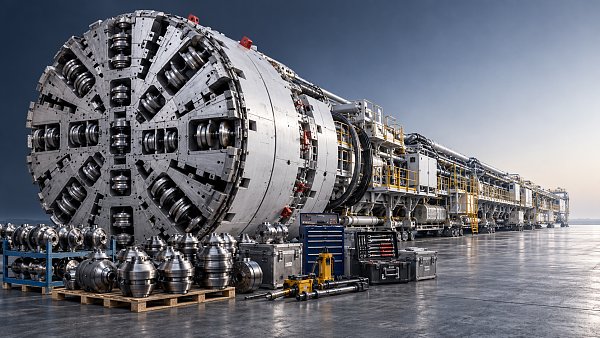
Machines supporting TBM operations, muck handling, ventilation support, and lining logistics must remain predictable in harsh environments.
Hydraulic leaks, cooling weakness, worn pins, and unstable electronics become more expensive underground than on open sites.
Inspection should focus on maintenance intervals, contamination control, hose condition, lubrication points, and emergency shutdown systems.
If a heavy equipment auction includes specialized boring, support, or conveyance assets, verify interface compatibility with existing systems.
A machine may be mechanically sound but commercially unsuitable if dimensions, turning radius, or power supply do not match the tunnel.
For confined sites, transport disassembly costs and reassembly commissioning must be included before bid approval.
Heavy Lifting Scenario: Documentation Carries Safety Value
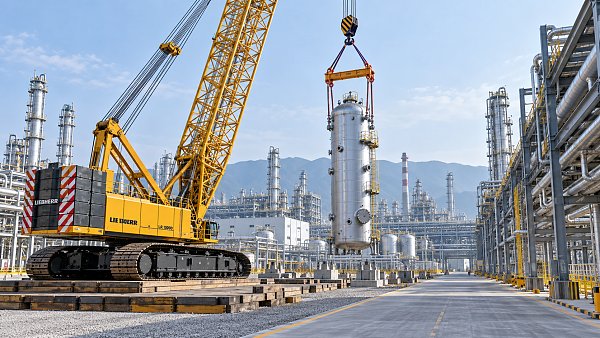
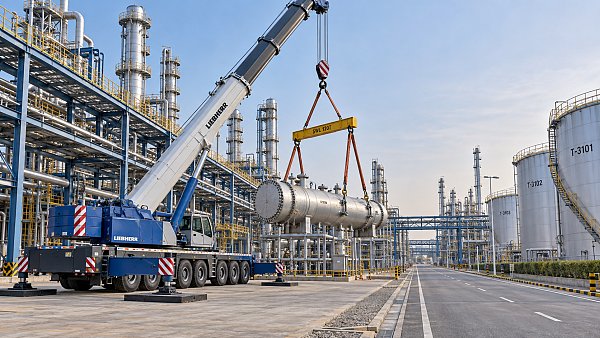
Crawler cranes and large lifting assets at a heavy equipment auction require documentation review as much as mechanical inspection.
Load charts, boom sections, counterweights, certificates, inspection logs, and accident history directly affect usable capacity.
Missing crane components can be costly and slow to source. Verify every boom insert, pendant, hook block, and counterweight.
Inspect slew bearing play, winch drum condition, wire ropes, crawlers, hydraulic pumps, and control response under load simulation.
Wind power, petrochemical, bridge, and nuclear projects often require strict certification. Auction discounts cannot compensate for unusable documentation.
Before a heavy equipment auction bid, estimate recertification, inspection, rigging replacement, and transport escort costs.
Different Heavy Equipment Auction Scenarios Compared
This comparison shows why a heavy equipment auction strategy should never use one generic inspection checklist for every asset.
Inspection Points That Protect the Bid Before the Auction Closes
A strong heavy equipment auction process combines visual inspection, operational testing, document review, and cost modeling.
Start with identity. Match serial numbers, engine numbers, plates, invoices, and ownership papers across all available records.
Then evaluate hours. An hour meter is useful, but wear patterns must support the displayed number.
Excessive pedal wear, loose pins, polished controls, and rebuilt paintwork may indicate harder use than the listing suggests.
Hydraulics deserve a warm test. Cold machines can hide leakage, weak pumps, slow cylinders, and valve response issues.
Undercarriage inspection is essential for tracked machines. Measure track chain, rollers, sprockets, idlers, shoes, and tension adjustment.
Electrical systems now influence productivity. Scan fault codes, test displays, telematics, cameras, sensors, and machine control interfaces.
Minimum Due Diligence Checklist
- Confirm legal ownership, lien status, import history, and export restrictions.
- Review service records, oil analysis, rebuild invoices, and warranty transfer rules.
- Run the machine through all speeds, functions, steering modes, and braking actions.
- Estimate parts, labor, transport, tax, duty, insurance, and commissioning expenses.
- Define a maximum bid before emotional bidding begins.
Cost Risks Often Hidden Behind a Low Hammer Price
The winning number at a heavy equipment auction is only the first cost line.
Buyer premiums, payment fees, storage charges, dismantling costs, loading fees, and inland transport can quickly reshape the deal.
Cross-border buying adds customs duty, emission compliance, port handling, marine insurance, and documentation translation.
Large road machinery, cranes, and mining trucks may require route surveys, police escorts, special trailers, or partial disassembly.
Opportunity cost also matters. A machine waiting for parts may delay project readiness for months.
For rare models, electronic modules, pumps, final drives, and tires may not be locally available.
A disciplined heavy equipment auction bid includes a landed-cost model, not only an auction-room ceiling.
Scenario-Based Fit Recommendations Before Bidding
A heavy equipment auction is most effective when asset selection follows operating reality, not brand preference alone.
Common Misjudgments in Heavy Equipment Auction Buying
The first misjudgment is trusting photos. Clean paint can hide oil seepage, fatigue cracks, and weak hydraulic performance.
The second is treating low hours as proof of low risk. Idle corrosion and poor storage can damage value.
The third is ignoring attachments. Buckets, breakers, forks, blades, and rigging can change practical deployment costs.
The fourth is overlooking software. Modern heavy machinery may require subscriptions, calibrations, or dealer access for full functionality.
The fifth is bidding before transport planning. Oversized equipment may be cheap to buy and expensive to move.
The final mistake is skipping exit value. A heavy equipment auction purchase should still have future resale logic.
Action Guide: Build a Data-Driven Auction File
Before joining a heavy equipment auction, create a file for each target machine.
Include photos, inspection notes, fault codes, service records, comparable prices, transport quotes, and repair estimates.
Add a scenario score: mining endurance, urban compliance, underground reliability, lifting certification, or road precision.
Then calculate three numbers: maximum bid, landed cost, and expected first-year operating cost.
If any number depends on guesswork, reduce the bid or walk away.
TF-Strategy encourages disciplined intelligence stitching across machinery parameters, construction methods, and infrastructure demand.
In a heavy equipment auction, that discipline turns uncertainty into a controlled acquisition decision.
Use the checklist, match the machine to the scenario, price every risk, and bid only when the total cost supports the mission.
Related News
 Oct 18, 2026How Equipment Specifications Affect Purchase, Installation, and Operating CostsExplore equipment specification planning cost factors that shape purchase, installation, and operating budgets. Compare lifecycle costs, avoid oversizing, and buy with confidence.
 Oct 17, 2026Tunnel Boring Machine Supplier List: Compare TBM Types and Service CoverageExplore our tunnel boring machinery supplier list to compare EPB, slurry and hard rock TBMs, assess service coverage and lifecycle costs, and build a smarter procurement shortlist.
 Oct 16, 2026Heavy-Duty Petrochemical Lifting: Selecting Cranes by Load, Radius, and Site AccessExplore heavy-duty petrochemical lifting solutions. Compare cranes by load, radius, site access, and ground support to reduce project risk and optimize lifting costs.
 Oct 15, 2026Crane Selection for Petrochemical Turnarounds: Capacity, Radius, and Site AccessExplore petrochemical lifting solutions cranes can deliver, with expert guidance on capacity, working radius, and site access to help you plan a safer, more efficient turnaround.
Ms. Elena Rodriguez
Weekly Insights
Stay ahead with our curated technology reports delivered every Monday.