
How thermal protection keeps mining equipment operating in extreme heat
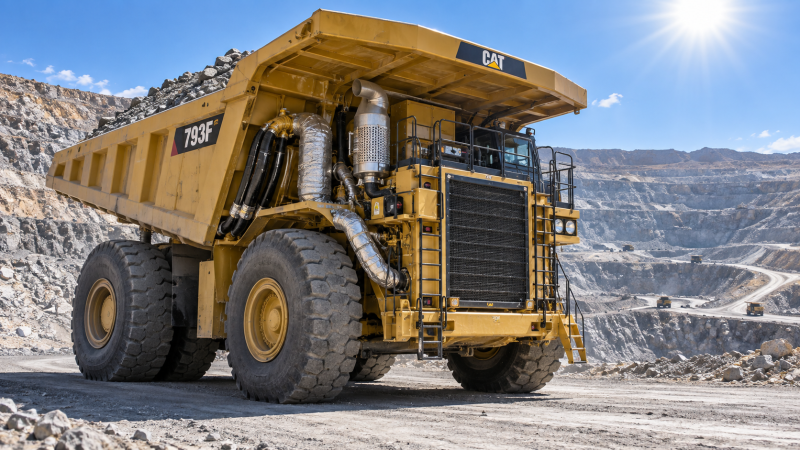
Extreme heat rarely causes a single, obvious failure in mining equipment. More often, it shortens the margin between normal operation and a chain of interacting faults: hydraulic oil loses viscosity, cooling systems cannot reject enough heat, electrical enclosures retain damaging temperatures, brake and tire loads rise, and combustible deposits become more hazardous around hot surfaces. In open-pit operations, those effects are compounded by high payloads, long ramps, dust, solar exposure, altitude, and limited downtime.
Thermal protection is therefore not a single shield, coating, or alarm setting. For quality-control and safety managers, it is an operating system of controls that keeps heat from accumulating faster than the machine can manage it. The most effective approach combines equipment specification, condition monitoring, maintenance discipline, work-cycle planning, and clear intervention rules.
Heat protection begins with the machine's real duty cycle
A machine may be rated for high ambient temperatures and still struggle in a specific mine. The relevant question is whether its cooling, lubrication, hydraulic, electrical, and braking systems can maintain acceptable operating conditions during the heaviest expected duty cycle.
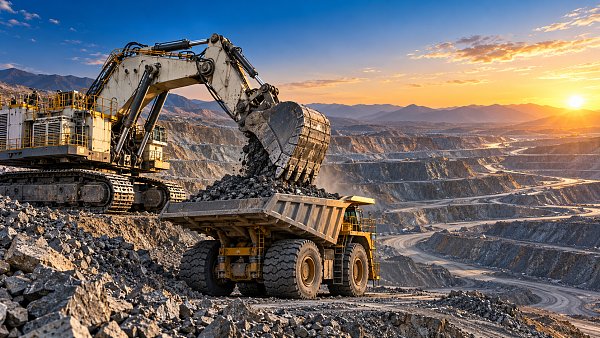
Consider a haul truck climbing under full load, then descending repeatedly with retarder or service-brake demand. Ambient temperature is only one input. Engine load, road grade, rolling resistance, payload variation, radiator fouling, engine compartment airflow, and stop-start frequency determine the thermal burden. A large excavator faces a different profile: sustained hydraulic demand, low travel speed, limited airflow around the upper structure, and dust loading on cooling packs can create persistent heat soak even without long haul distances.
That distinction matters during fleet selection and acceptance inspection. A vendor's stated ambient-temperature capability should be read alongside the operating envelope: payload, grade, altitude, material density, expected cycle time, attachment configuration, dust conditions, and shift pattern. Equipment that performs adequately in a short high-load test may still accumulate heat over several hours of production.
For this reason, thermal protection mining equipment extreme heat strategies should start with a heat-load map for each equipment class. It does not need to be overly complex, but it should identify when and where the highest temperatures occur: loaded climbs, long descents, crusher queuing, peak solar hours, high-idle periods, or low-speed digging in confined benches. This turns heat protection from a generic maintenance topic into a site-specific control plan.
Protect the systems that fail first, not only the engine
Engine overheating is visible and familiar, so it often receives most of the attention. Yet avoidable heat-related downtime frequently begins elsewhere. Hydraulic circuits, traction systems, batteries, electrical connections, tires, brake assemblies, and operator compartments all require their own protection measures and inspection criteria.
- Cooling packs and airflow paths: Dust, fines, oil film, damaged fins, and poor sealing reduce heat transfer. Cleaning must restore airflow without bending fins or driving contamination deeper into the core. Inspection should include fan performance, shrouds, guards, ducting, coolant condition, hose integrity, and pressure-cap function.
- Hydraulic systems: Hot hydraulic oil can reduce lubrication performance, alter response characteristics, and accelerate seal degradation. Monitor both reservoir and return temperatures where possible, then compare readings against work mode and ambient conditions. A rising trend under an unchanged duty cycle is more useful than a single temperature value.
- Electrical systems: Loose terminals, corroded contacts, undersized repairs, and damaged insulation generate resistance heat. Thermal inspection of panels, connectors, battery compartments, alternator circuits, and high-current cable paths is particularly valuable after repairs or modifications.
- Brakes, retarders, and tires: Long descents create a thermal management problem even when the engine and hydraulics appear normal. Brake temperature control, tire pressure management, haul-road condition, payload discipline, and descent-speed rules must work together. Excess heat in any one area can become a safety event rather than a maintenance issue.
- Fire exposure points: Heat shields, insulation blankets, hose sleeves, guards, and routing clamps are protective components, not cosmetic items. A missing shield near exhaust components, turbochargers, electrical cabling, or hydraulic hoses deserves the same attention as a fluid leak.
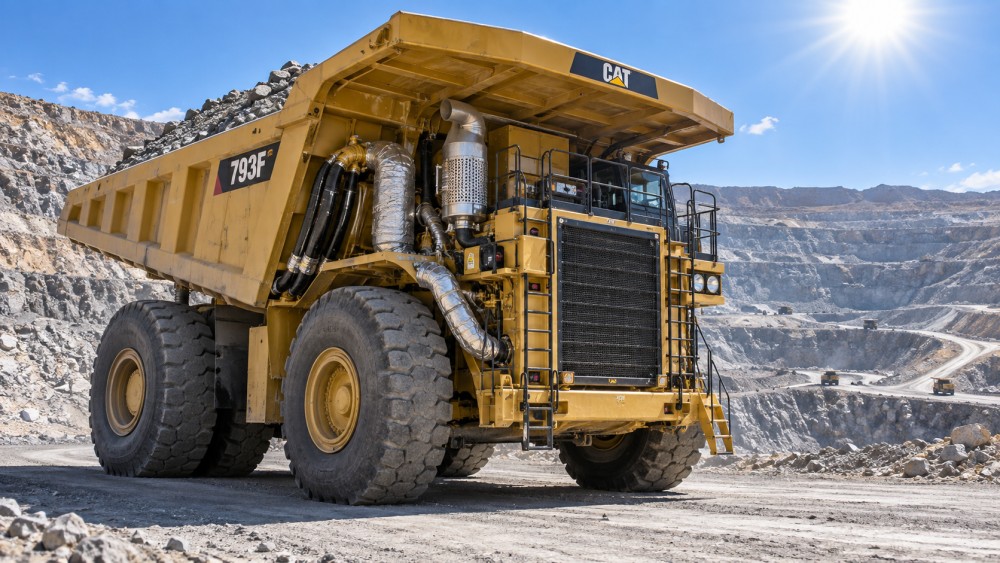
The practical lesson is that a thermal alarm should trigger an inspection of the whole heat path. Replacing a sensor or flushing coolant may remove the symptom while leaving the cause intact. Heat must be generated, transferred, and rejected; a problem may exist at any stage of that chain.
Thermal shielding works only when installation quality is controlled
Heat shields, reflective barriers, insulation wraps, fire sleeves, and thermal coatings can reduce exposure to localized radiant heat. They are useful around exhaust routing, turbocharger zones, hydraulic hoses, sensitive wiring, batteries, and operator-facing surfaces. Their performance, however, depends heavily on fit, clearance, fastening, and continued condition.
A shield installed too close to a hot component can trap heat instead of managing it. A blanket saturated with oil or fuel becomes a fire concern. A wrap that rubs against moving parts, blocks inspection access, or interferes with ventilation can introduce a new failure mode. In dusty mines, damaged edges and loose fasteners also allow abrasive material to accumulate in places that were intended to remain protected.
Quality checks should confirm that protective materials match the local hazard: radiant heat, conductive contact, hot-air exposure, abrasion, chemical contact, or fire exposure. One material is not automatically suitable for every location. The inspection record should include the protected component, the nearby heat source, required clearance, attachment method, and replacement criteria. Photographs are helpful because field modifications can gradually diverge from the approved layout.
Thermal barriers should also be assessed after engine work, hose replacement, electrical repairs, and collision damage. These are common moments when routing changes or protective parts are omitted during reassembly. A seemingly minor routing change can place a hose or cable in a sustained heat zone that was not present in the original design.
Use temperature trends to make earlier decisions
Temperature monitoring is most effective when it supports an operational decision. Dash alarms protect against immediate damage, but they are late-stage controls. By the time a critical warning appears, the equipment may already be derated, stopped, or exposed to accelerated wear.
For safety and quality teams, the useful question is not simply whether a temperature remained below a red-line limit. It is whether the reading is normal for that machine, route, payload, work mode, and ambient condition. A truck with coolant, transmission, brake, or tire temperatures that are gradually rising across comparable cycles may be signaling a developing issue long before a hard limit is reached.
Trend reviews should connect equipment data with operating conditions. A rise in hydraulic temperature after a change in material, bucket fill factor, or operator work pattern may be expected. The same rise after no relevant operating change may indicate cooling-pack restriction, fan degradation, bypassing, internal leakage, incorrect fluid, or a control-system problem. Without that context, temperature data often produces either false confidence or unnecessary alarms.
Operating controls are part of thermal protection
In extreme heat, maintenance alone cannot carry the full burden. Mine operations may need to adjust the conditions that create excess thermal load. These controls can include payload limits during the hottest periods, restrictions on prolonged idling, planned cooling intervals, revised haul routes, lower descent speeds, equipment rotation, and defined shutdown criteria.
Such measures should be based on the asset's actual thermal behavior, not applied as blanket restrictions. A blanket rule can reduce production without protecting the component that is truly at risk. Conversely, a high-performing machine may be pushed beyond its margin if supervisors assume that a nominally similar unit has the same cooling condition.
Clear escalation rules help operators and supervisors act consistently. Operators need to know which alarms require an immediate stop, which require reduced load and a controlled return, and which readings must be reported even if no alarm is active. They also need a safe method for checking for smoke, fluid leaks, blocked cooling surfaces, or damaged shielding without opening hot compartments unnecessarily or exposing themselves to stored-pressure hazards.
Common assumptions that create avoidable exposure
One common mistake is treating ambient temperature as the sole indicator of risk. A hot afternoon matters, but a moderate day can be equally demanding when a cooling pack is restricted, a haul road has deteriorated, or the machine is working outside its intended cycle. Another is assuming that newer equipment resolves the issue automatically. Modern controls can provide better sensing and derating, but sensors do not restore airflow, correct a loose cable terminal, or prevent overloaded braking.
There is also a tendency to focus inspections only after a high-temperature alarm. In heat-prone fleets, preventive checks before the hottest operating periods are more useful: verify cooling-system cleanliness and integrity, inspect shields and hose routing, review oil and coolant condition, confirm fan operation, examine electrical hot spots, and check the maintenance quality of previous repairs.
Thermal protection earns its value when it preserves controlled operation rather than merely preventing catastrophic failure. For mining equipment exposed to extreme heat, the strongest program treats temperature as a quality and safety variable tied to route design, machine condition, work practices, and repair discipline. That approach gives managers a clearer basis for deciding when equipment can continue working, when its duty must change, and when a small thermal warning should be treated as the start of a larger investigation.
Related News
 Oct 02, 2026How to Evaluate Heavy Equipment Technology Suppliers for Fleet Uptime and SupportHeavy equipment technology suppliers can make or break fleet uptime. Learn how to assess diagnostics, data access, parts, service coverage, and support terms before you buy.
 Oct 01, 2026How to Use Technical References to Benchmark Industrial Equipment PricesIndustrial equipment technical reference pricing: learn how to normalize specifications, scope, service life, and operating costs to benchmark quotes accurately and choose the best-value equipment.
 Sep 30, 2026What Does an Ultra-Large Excavator Really Cost Over Its Service Life?Ultra-large excavators cost far more than purchase price. Explore lifecycle expenses, uptime risks, energy use, maintenance, and cost-per-tonne insights.
 Sep 29, 2026Infrastructure Construction Standards: A Project Manager’s Guide to ComplianceInfrastructure construction standards guide for project managers: turn requirements into field controls, hold points, traceability, and compliant delivery.
Ms. Elena Rodriguez
Weekly Insights
Stay ahead with our curated technology reports delivered every Monday.