
How to Choose Heavy Equipment for Earthmoving, Lifting, and Quarry Work
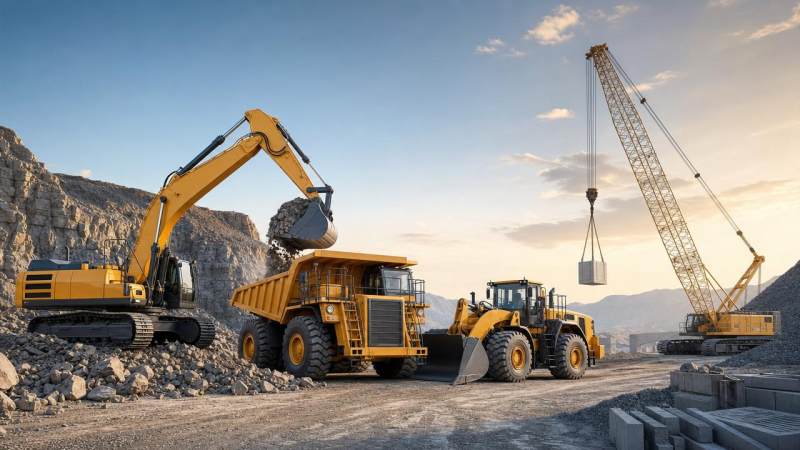
How to Choose Heavy Equipment for Earthmoving, Lifting, and Quarry Work
Choosing the right heavy equipment affects schedule, safety, fuel use, and lifecycle cost.
The real decision goes beyond machine size or rated power.
It starts with matching site conditions, duty cycles, haul distances, and lifting demands.
That is where a heavy equipment selection process becomes practical, not theoretical.
In earthmoving, lifting, and quarry work, the wrong machine creates delays before failures even appear.
A smart choice improves production, lowers TCO, and keeps crews working with fewer interruptions.
Start with the Job, Not the Machine
Every heavy equipment decision should begin with output targets.
Ask how many cubic meters, tons, or lifts must be completed per shift.
Then define the working environment with equal clarity.
Soft ground, steep grades, fragmented rock, and narrow access roads change the best equipment choice.
This also means one fleet setup rarely fits all phases of a project.
Early stripping, foundation lifting, and quarry loading often need different heavy equipment priorities.
- Define target production per hour and per shift.
- Map actual material type, moisture, and fragmentation.
- Review haul road quality, turning radius, and slope.
- Check weather, altitude, dust levels, and temperature swings.
- Separate short-term peak demand from average daily demand.
Key Heavy Equipment for Earthmoving
Earthmoving usually depends on excavators, dozers, wheel loaders, and haul trucks.
The best heavy equipment mix depends on digging resistance and material flow.
A larger excavator is not always the better answer.
If truck match is poor, bucket size gains disappear into queue time.
For bulk earthmoving, fleet balance matters more than headline horsepower.
Look closely at cycle time, bucket fill factor, swing angle, and idle ratio.
What to compare in earthmoving equipment
- Operating weight versus ground bearing pressure.
- Bucket or blade capacity versus material density.
- Fuel burn per productive hour, not per engine hour.
- Attachment flexibility for ripper, breaker, or grading work.
- Maintenance access and parts availability near the site.
In practice, reliable medium-sized heavy equipment can outperform oversized units with poor utilization.
How to Evaluate Heavy Equipment for Lifting Work
Lifting work requires less guesswork and more precision.
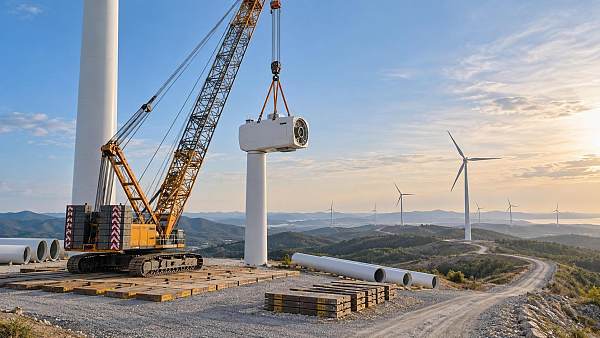
Crawler cranes and related heavy equipment must be assessed by actual lifting conditions.
Rated capacity alone does not protect a project from risk.
You need the full load chart, boom configuration, lift radius, and ground support assumptions.
This becomes even more important in wind, petrochemical, and modular construction projects.
One planning error can stop installation windows and trigger expensive standby costs.
Critical lifting selection factors
- Maximum load at real radius, not brochure peak capacity.
- Boom length, luffing needs, and site assembly space.
- Transport constraints for counterweights and crane sections.
- Ground preparation, bearing pressure, and outrigger support.
- Wind restrictions, visibility, and digital safety systems.
Good heavy equipment selection for lifting work protects both schedule certainty and safety margins.
Choosing Heavy Equipment for Quarry Operations
Quarry work puts heavy equipment under constant stress.
Abrasion, shock loading, and long operating hours quickly expose weak equipment choices.
That is why quarry decisions should focus on durability and material handling efficiency.
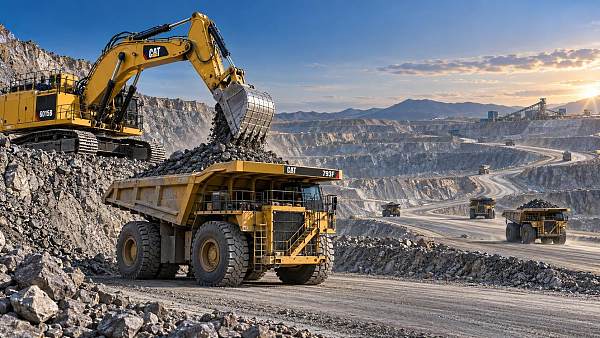
Excavators, loaders, dump trucks, and crushers must work as one production system.
If one machine class is undersized, the whole process slows down.
The strongest signal is usually downtime caused by mismatch, not outright breakdown.
What matters most in quarry equipment selection
- Payload match between loading tools and haul trucks.
- Structural durability for abrasive rock and impact cycles.
- Brake, cooling, and tire performance on long gradients.
- Dust control compatibility and filtration quality.
- Telematics support for fuel, idle time, and maintenance tracking.
For quarry projects, heavy equipment uptime is often the clearest measure of good selection.
Look Beyond Purchase Price
Many equipment decisions fail because they focus too much on initial cost.
A lower purchase price can hide higher fuel use, more downtime, and shorter component life.
A better heavy equipment evaluation uses total cost of ownership.
That includes financing, service intervals, wear parts, operator training, and resale value.
Recent market shifts make this even more relevant.
Fuel volatility, emissions rules, and digital service expectations now shape heavy equipment value.
Match Technology to Operating Reality
Advanced features are useful only when they solve operating problems.
Telematics, payload monitoring, and remote diagnostics now influence heavy equipment selection.
But technology should support decisions, not distract from fundamentals.
For example, a quarry fleet benefits from payload data when loading consistency is a bottleneck.
A lifting project gains more from wind alerts and setup verification tools.
The right heavy equipment technology is the one operators and planners will actually use every day.
A Practical Selection Checklist
A clear review process reduces costly selection mistakes.
It also helps compare suppliers on facts, not sales language.
- Define output, schedule, and safety requirements first.
- Document site constraints with real operating data.
- Compare heavy equipment by productive efficiency, not only size.
- Validate transport, assembly, and maintenance logistics.
- Review TCO, dealer support, and residual value together.
- Run scenario checks for weather, overload, and downtime risk.
- Confirm operator readiness and digital tool adoption.
Make the Decision with Confidence
The best heavy equipment decision is rarely the biggest or the cheapest option.
It is the machine or fleet that fits the job, the site, and the business case.
For earthmoving, lifting, and quarry operations, that fit must be proven through data.
When heavy equipment is selected this way, projects move with fewer surprises.
Costs become easier to predict, and performance becomes easier to manage.
That is the practical goal behind every sound equipment choice.
Use this framework to compare options carefully, ask better supplier questions, and choose heavy equipment with more confidence.
Related News
 Sep 14, 2026What Drives Surface Mining Equipment Cost Across a Mine’s Operating Life?Surface mining equipment cost depends on fleet matching, fuel, wear, maintenance, availability, and rebuild timing. Explore lifecycle strategies that protect output and margins.
 Sep 13, 2026Crawler Crane Application Analysis for Wind Farms, Bridges, and Confined SitesCrawler crane application analysis for wind farms, bridges, and confined sites—optimize lift paths, ground conditions, access, and schedules for safer project delivery.
 Sep 12, 2026Open-Pit Mining in North America: Key Project Risks and Planning PrioritiesOpen-pit mining North America: uncover key risks and planning priorities for geology, permitting, water, fleet strategy, and resilient project delivery.
 Sep 11, 2026TBM Systems in Southeast Asia: Key Selection Factors for Variable Ground ConditionsTBM systems Southeast Asia: discover key selection factors for variable ground, pressure control, monsoon resilience, and safer tunnel delivery.

Ms. Elena Rodriguez
Weekly Insights
Stay ahead with our curated technology reports delivered every Monday.