
How to Choose Open-Pit Mining Equipment for Haul Distance, Bench Height, and Ore Type
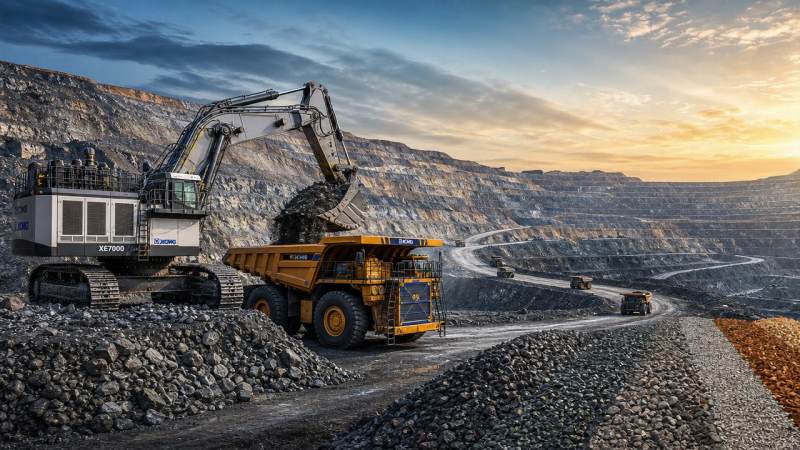
Choosing open-pit mining equipment starts with a simple reality: no machine performs well in isolation. Haul distance, bench height, and ore type shape the loading pattern, travel cycle, fragmentation, tire wear, and fuel profile at the same time.
That is why equipment selection has become a strategic issue, not only an operational one. In large surface mines, a mismatch between shovel, truck, bench geometry, and material condition can quietly erode output long before it appears in monthly cost reports.
For decision frameworks used across global heavy industry, the most reliable approach links physical mine parameters with fleet behavior. This is also the logic behind TF-Strategy’s broader view of power, precision, and total project performance.
Why selection now demands closer attention
Open-pit mining is changing under pressure from energy costs, emissions targets, automation, and tighter production planning. As a result, open-pit mining equipment must now be evaluated not just for peak capacity, but for system compatibility.
A truck that looks efficient on paper may lose value on long uphill hauls. An excavator with high breakout force may still underperform if the bench face is poorly matched to bucket reach and loading angle.
This matters across the wider infrastructure chain as well. Ore quality affects downstream crushing and transport, while haulage efficiency influences diesel use, maintenance intervals, and mine expansion economics.
The three variables that shape equipment fit
Many selection exercises begin with payload class. That is useful, but incomplete. In practice, three field conditions usually determine whether open-pit mining equipment will achieve its expected productivity.
Haul distance defines the transport logic
Short hauls often reward higher loading rates and tighter truck-excavator synchronization. In these conditions, larger loading units can create strong cycle efficiency if road congestion remains controlled.
Long hauls change the balance. Travel time becomes dominant, making truck speed, gradeability, retarding performance, and fuel consumption more important than pure loading speed.
Where hauls are extended, some operations benefit from larger trucks with fewer trips. Others gain more from better road design, trolley assist, or dispatch optimization than from moving up one truck class.
Bench height controls diggability and loading geometry
Bench height is not only a mine design parameter. It directly affects excavator pass count, bucket fill factor, operator visibility, and face stability.
If the bench is too high for the digging envelope, cycle time rises and fragmentation handling becomes less stable. If it is too low, the machine may not use its full loading potential.
This is why open-pit mining equipment should be matched to effective digging height, not only to rated bucket volume or nominal machine mass.
Ore type changes the machine requirement
Ore type influences more than density. Hardness, abrasiveness, moisture, fragmentation after blasting, and clay content all affect how material loads, sticks, breaks, and flows.
Free-digging material may allow faster cycles with hydraulic excavators. Highly abrasive ore may shift value toward robust ground engaging tools, wear package design, and body liner protection.
In wet or sticky ore, payload consistency can become more important than nominal bucket size. Hang-up in truck bodies or poor bucket release can reduce real production significantly.
How these factors interact in real mine planning
The most common selection mistake is evaluating each variable separately. Mines do not operate that way. Long hauls combined with high benches and dense ore create very different fleet behavior than any single parameter suggests.
A useful review starts by asking where the dominant bottleneck sits. Is the constraint at the face, on the haul road, at the dump point, or in downstream crushing?
Once that is clear, the equipment shortlist becomes more rational. The right answer may be a different shovel-truck match, a revised bench design, or a different loading technology for a specific ore zone.
Choosing loading equipment with more precision
Loading tools sit at the center of most open-pit mining equipment strategies. Hydraulic excavators, rope shovels, and wheel loaders each respond differently to bench shape, ore condition, and truck target size.
Hydraulic excavators usually offer flexibility across mixed ore zones and variable face conditions. Rope shovels often gain ground in large, stable operations where high production and consistent benches support repeatable cycles.
Wheel loaders can be valuable in blending yards, satellite pits, and mobile loading scenarios. Their role becomes stronger when face mobility matters more than maximum digging force.
- Check pass match rather than bucket size alone.
- Review bucket fill against actual fragmentation, not blast design assumptions.
- Compare reach, crowd force, and floor cleanup ability.
- Confirm visibility and safe truck spotting at planned bench heights.
Truck selection goes beyond payload class
Mining dump trucks are often compared by rated payload, but the better indicator is delivered tons per hour under actual road and material conditions. That includes acceleration, braking, rolling resistance, and queue behavior.
For short and flat routes, loading consistency may matter more than top speed. For long routes, the cost of each additional kilometer compounds through fuel, tires, structural fatigue, and maintenance windows.
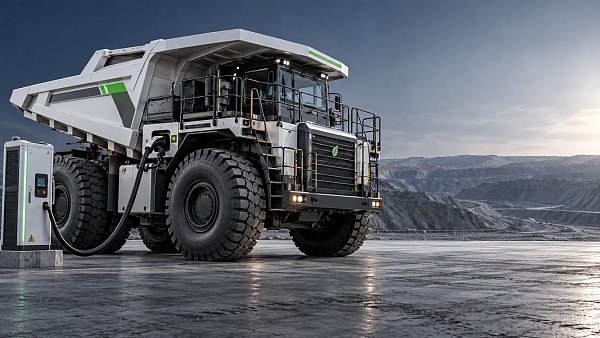
As electrification and autonomous haulage expand, open-pit mining equipment reviews should also include charging logic, trolley compatibility, traffic management, and digital dispatch integration.
Useful truck evaluation points
- Average speed on loaded uphill segments
- Brake and retarder performance on return grades
- Tire life under ore spillage and road roughness
- Body suitability for sticky, blocky, or abrasive material
- Compatibility with current and future dispatch systems
Where ore characteristics change the economics
Ore type can quietly alter the total ownership picture. Abrasive rock raises wear parts consumption. Swelling material affects body volumetrics. High moisture can distort payload data and slow dumping.
This is where an intelligence-led review adds value. Looking only at nameplate specifications misses how geology interacts with hydraulic systems, liners, teeth, suspension, and operator technique.
For diversified mine portfolios, the best open-pit mining equipment strategy may involve different loading and haulage combinations by ore domain rather than one fleet standard across the entire site.
A practical framework for evaluation
A strong review process usually combines mine design data, cycle simulation, field observation, and supplier performance history. The goal is not to find the biggest machine, but the most stable production system.
- Map haul segments by distance, gradient, and congestion risk.
- Compare bench height with actual digging envelope and pass efficiency.
- Classify ore by hardness, abrasiveness, moisture, and fragmentation behavior.
- Model production using realistic delays, not ideal cycle times.
- Test how fleet choices affect fuel, wear, and downstream crushing stability.
This wider view reflects a broader trend across heavy equipment analysis. Equipment decisions increasingly sit between geology, machine engineering, digital control, and long-term capital planning.
What to review before the next fleet decision
Before revising a fleet or comparing suppliers, it helps to build a decision sheet around three core questions. Where is the cycle loss occurring, which mine parameter is driving it, and which equipment change solves the real constraint?
That keeps open-pit mining equipment selection grounded in measurable mine conditions rather than procurement habit. It also creates a cleaner basis for comparing conventional fleets, electric haulage options, and future automation paths.
The next useful step is to align haul distance data, bench geometry, and ore domain mapping in one review model. Once those variables are connected, equipment choices become easier to defend, test, and improve over time.
Related News
 Oct 20, 2026Which Heavy Machinery Maintenance Standards Apply to Your Construction Fleet?Discover which heavy machinery maintenance standards apply to your fleet. Clarify legal duties, OEM requirements, and inspection rules to reduce risk and keep equipment ready for work.
 Oct 19, 2026Sizing Industrial Hydraulic Power Packs: Pressure, Flow, and Duty CycleSize industrial hydraulic power packs with confidence. Learn how pressure, flow, and duty cycle affect performance, energy costs, and heat control—and avoid costly sizing mistakes.
 Oct 18, 2026How Equipment Specifications Affect Purchase, Installation, and Operating CostsExplore equipment specification planning cost factors that shape purchase, installation, and operating budgets. Compare lifecycle costs, avoid oversizing, and buy with confidence.
 Oct 17, 2026Tunnel Boring Machine Supplier List: Compare TBM Types and Service CoverageExplore our tunnel boring machinery supplier list to compare EPB, slurry and hard rock TBMs, assess service coverage and lifecycle costs, and build a smarter procurement shortlist.
Ms. Elena Rodriguez
Weekly Insights
Stay ahead with our curated technology reports delivered every Monday.