
How to Evaluate Geotechnical Engineering Services for Slope, Foundation, and Groundwater Risks
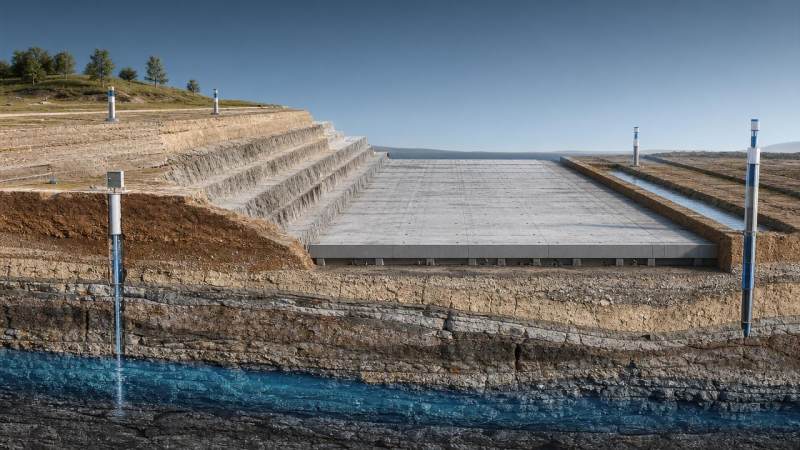
Why do geotechnical engineering services matter so much before contracts are signed?
Geotechnical engineering services influence far more than a soil report. They shape excavation logic, temporary works, dewatering plans, foundation selection, and long-term asset reliability.
That matters when slopes may move, groundwater may rise, or bearing layers change across a site. A cheap investigation can become an expensive construction problem.
In practical terms, good geotechnical engineering services reduce uncertainty early. They help teams avoid redesigns, claims, delays, and overbuilt mitigation measures.
This is especially relevant in heavy infrastructure. TBM launch shafts, mine ramps, crane pads, haul roads, and large equipment foundations all depend on ground behavior.
Within the TF-Strategy perspective, ground intelligence is not separate from machinery strategy. Physical parameters, construction methods, and risk decisions need to be read together.
So the real question is not whether to buy geotechnical engineering services. It is whether the provider can turn subsurface data into decision-quality guidance.
What should a strong scope actually include for slope, foundation, and groundwater risk?
Many scopes look complete because they list boreholes, lab tests, and a final report. More often, the gaps appear in interpretation, risk ranking, and construction relevance.
A useful scope starts with site-specific failure modes. For a cut slope, that may be seepage, weak bedding planes, or rainfall-driven softening.
For foundations, the critical issue may be settlement variation, not only bearing capacity. For groundwater, seasonal fluctuation can matter more than a single monitoring event.
Reliable geotechnical engineering services usually include these working elements:
- Desk study using geology, historic construction data, drainage records, and nearby failures.
- Field investigation matched to structure type, load path, excavation depth, and access constraints.
- Laboratory testing selected for decision needs, not only for standard checklists.
- Groundwater monitoring that captures timing, recharge conditions, and hydraulic response.
- Interpretive analysis linked to design options, sequencing, and construction control measures.
Needle-point detail is not always the goal. The better test is whether the scope helps answer the decisions already waiting in design and procurement.
A quick scope-check table
Before comparing proposals, it helps to check whether each bidder is solving the same problem. This simple table often reveals hidden scope differences.
How can you tell whether a provider is technically credible, not just well presented?
Presentation quality matters, but polished slides can hide thin engineering judgment. A better review looks at how conclusions are built and defended.
Start with relevant project experience. A consultant strong in building pads may not be the best fit for deep shafts, mine slopes, or high groundwater corridors.
Ask for examples where geotechnical engineering services changed a design pathway. Strong providers can explain what they saw, what they ruled out, and what risk remained.
It also helps to review who will sign the interpretation. Field crews collect data, but senior judgment determines whether that data is enough.
In heavy industry environments, technical credibility often appears in cross-discipline thinking. Can the team connect ground behavior with TBM launch conditions, crane outrigger reactions, or haul road saturation risk?
That kind of integrated view aligns with how TF-Strategy reads infrastructure decisions. Ground conditions are rarely isolated from machinery loads, schedules, and operating windows.
- Check whether interpretive models match actual site geology.
- Check whether field density supports the stated confidence level.
- Check whether limitations are disclosed clearly, not buried.
- Check whether recommendations include monitoring and trigger actions.
Is the lowest price ever the right choice for geotechnical engineering services?
Sometimes a lower fee is justified by site simplicity. But in many projects, the cheapest proposal achieves savings by reducing investigation depth, interpretation time, or follow-up support.
That trade-off is dangerous when the ground profile is variable. A modest saving at procurement stage can trigger much larger cost exposure during excavation or foundation work.
The better comparison is total decision value. Does the scope lower redesign risk? Does it reduce contingency inflation? Does it help avoid unnecessary ground treatment?
A useful way to compare proposals is to split price into three layers: investigation effort, engineering interpretation, and construction-phase support. Low bids often shrink the last two.
This is where geotechnical engineering services differ from commodity testing. You are not only buying data points. You are buying confidence, constraints, and workable decisions.
When projects involve tunnels, pits, lifting platforms, or water-sensitive subgrades, cost control depends on how early uncertainty is converted into realistic engineering choices.
Questions that expose false economy
- What assumptions would change if one more weak layer is found?
- How many site visits are included after the report is issued?
- What groundwater monitoring duration supports the recommendation?
- Which recommendations are conservative because data confidence is low?
What reporting details separate a useful report from a risky one?
A report becomes useful when another team can make a decision from it without guessing the engineer’s intent. That sounds basic, yet many reports fall short.
Good geotechnical engineering services explain not only what was found, but also how reliable that finding is across the site and across time.
For slope work, look for explicit trigger conditions, drainage sensitivity, and sequencing advice. For foundations, look for settlement ranges, not only single-value capacities.
For groundwater, the report should separate perched water, regional water table behavior, and construction inflow implications. These are not the same risk.
Useful reports also show where uncertainty remains. That honesty improves planning. It allows monitoring plans, hold points, or targeted supplemental investigation before exposure grows.
In real projects, the most valuable sentence may be a limitation note tied to a decision consequence. That is better than false precision.
Which mistakes lead to avoidable delays, claims, or rework later?
One common mistake is treating geotechnical engineering services as a front-end checkbox. The report is filed, then construction discovers conditions the design never truly tested.
Another mistake is asking for a standard scope on a nonstandard site. Variable fill, old excavations, karst, seepage zones, and weathered rock transitions rarely behave like routine ground.
There is also a timing issue. If investigation starts too late, providers may rush drilling windows, miss seasonal groundwater behavior, or compress interpretation.
More subtle errors happen in coordination. The geotechnical team may not receive equipment loads, excavation sequence assumptions, or drainage concepts early enough to assess the right risks.
That is why informed buyers increasingly value intelligence-led context. Sources like TF-Strategy are useful when projects depend on the interaction between earth conditions, heavy machinery, and delivery strategy.
The aim is not more paperwork. The aim is cleaner decisions before slope support, dewatering systems, or foundation packages are locked in.
What is the smartest next step before selecting a provider?
Start by writing the decision questions, not only the testing quantities. That changes the conversation from price per borehole to risk per project outcome.
Then compare providers against four practical filters: relevant ground conditions, reporting clarity, construction usefulness, and uncertainty management.
If a proposal for geotechnical engineering services cannot explain how it will support slope stability, foundation performance, and groundwater control together, keep looking.
A sound shortlist usually comes from providers that understand both subsurface behavior and the operating reality of infrastructure delivery, especially where heavy equipment and complex staging are involved.
Before award, confirm scope boundaries, assumptions, response times, and what happens if ground conditions differ from expectation. Those details often matter more than headline fees.
In short, the best geotechnical engineering services help convert uncertainty into informed action. That is the basis for better cost control, safer execution, and fewer surprises underground or under load.
Related News
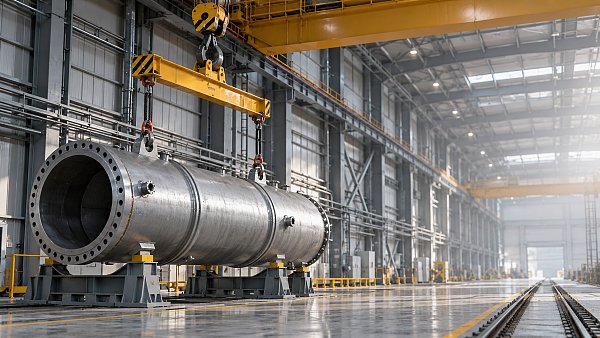
 Oct 23, 2026Selecting Lifting Equipment for Nuclear Component Transport: Key Safety CriteriaSelecting lifting machinery for nuclear component transport? Discover essential safety criteria, load control checks, and supplier requirements to guide confident procurement.
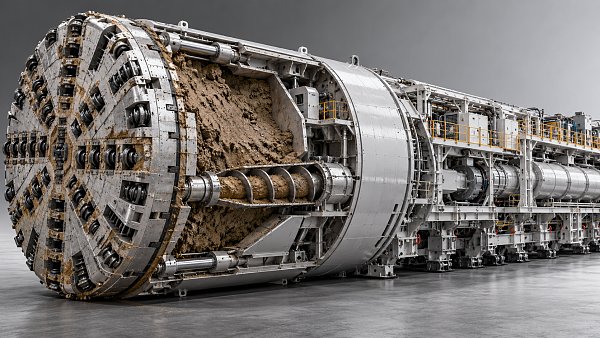
 Oct 22, 2026Tunnel Boring Machines in Southeast Asia: EPB vs. Slurry for Soft GroundCompare tunnel boring machines Southeast Asia projects rely on: EPB vs. slurry for soft ground. Discover how groundwater, settlement risks, and spoil handling shape the right choice.
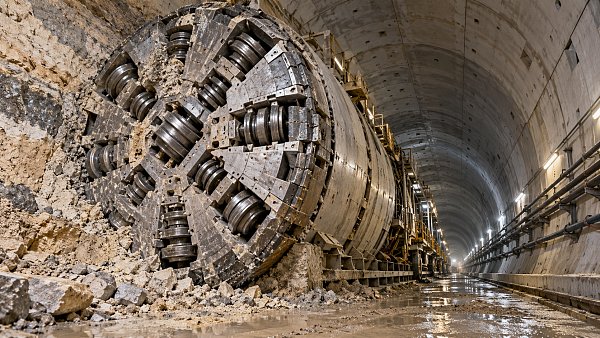
 Oct 21, 2026Choosing Tunneling Equipment for the Middle East: Rock, Soil, and GroundwaterCompare underground tunneling equipment Middle East projects need. Explore rock, soil, groundwater, and TBM options to reduce risk and make confident procurement decisions.
 Oct 20, 2026Which Heavy Machinery Maintenance Standards Apply to Your Construction Fleet?Discover which heavy machinery maintenance standards apply to your fleet. Clarify legal duties, OEM requirements, and inspection rules to reduce risk and keep equipment ready for work.

Related News

Ms. Elena Rodriguez
Weekly Insights
Stay ahead with our curated technology reports delivered every Monday.