
What Is TBM Technology and When Is It the Right Choice for Tunnel Projects?
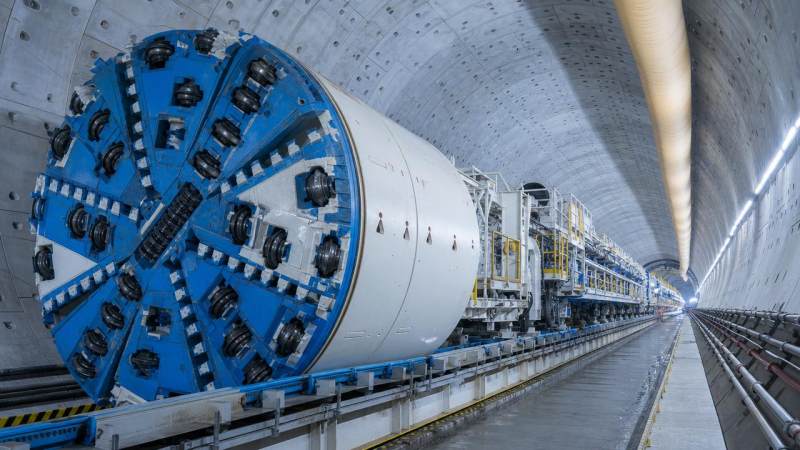
TBM technology has changed the way major tunnels are conceived, costed, and delivered. Yet its value appears only when geology, alignment, project scale, and risk tolerance line up. In infrastructure planning, that distinction matters because tunnel choices affect capital efficiency, schedule certainty, urban disruption, and long-term asset performance. For platforms such as TF-Strategy, which track the intersection of machinery capability and engineering strategy, TBM technology is not just a machine topic. It is a decision framework.
Understanding what TBM technology really includes
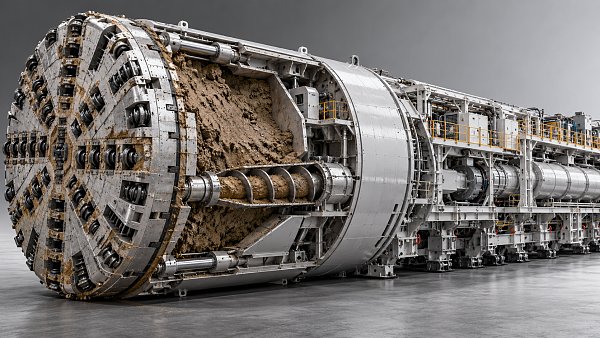
At its core, TBM technology refers to the use of tunnel boring machines to excavate underground passages with a mechanized, continuous process. A TBM cuts soil or rock at the face, manages pressure or stability, removes spoil, and often supports the tunnel as it advances.
That sounds simple, but the system is more than a rotating cutterhead. TBM technology combines geology interpretation, cutter tooling, hydraulic control, segment lining, guidance systems, ventilation, slurry or earth pressure management, and logistics behind the machine.
In practice, the machine type depends on the ground. Hard rock TBMs suit competent rock formations. Earth Pressure Balance machines work well in soft ground with controlled face support. Slurry TBMs are often chosen where groundwater pressure and unstable soils make excavation more sensitive.
This is why TBM technology should be seen as an integrated construction method rather than a single piece of equipment. The right machine is inseparable from the right geological model and tunnel design.
Why the industry keeps focusing on TBM technology
Demand for urban rail, water transfer, utility corridors, and cross-mountain transport keeps underground construction active. At the same time, surface space is limited, environmental approvals are tighter, and stakeholders expect better safety and lower disruption.
TBM technology fits this environment because it can provide predictable excavation rates, enclosed working conditions, and less impact at street level than many open-cut methods. For dense cities, those advantages are often strategic, not merely technical.
Another reason is data. Modern TBMs generate operating information on torque, thrust, penetration, cutter wear, pressure balance, and segment installation. That makes mechanized tunneling more measurable and easier to benchmark across projects.
This is also where TF-Strategy’s perspective becomes relevant. When heavy industry is evaluated through physical parameters, lifecycle cost, and infrastructure outcomes, TBM technology becomes part of a broader intelligence chain linking machine design to commercial decisions.
Where TBM technology creates the most value
The strongest case for TBM technology usually appears in long tunnels, repetitive sections, and locations where surface disturbance must be minimized. The larger and more complex the corridor, the more mechanization can outperform fragmented excavation methods.
Operational advantages
- Stable advance rates once the machine is properly commissioned.
- Better control of tunnel geometry and alignment.
- Reduced exposure of workers at the excavation face.
- Lower vibration and noise than blasting in many conditions.
- Potentially smoother interior surfaces and consistent lining installation.
Business and project benefits
TBM technology can improve total project economics even when the machine itself is expensive. Less settlement risk, fewer community complaints, fewer stoppages from blasting restrictions, and better schedule confidence can offset high upfront investment.
For large public works, that predictability often matters as much as direct excavation cost. A delayed metro tunnel or water tunnel carries wider social and financial consequences than a narrow comparison of equipment price suggests.
When TBM technology is the right choice
Not every tunnel should be bored by machine. TBM technology tends to be the right choice when several conditions reinforce each other rather than when only one factor looks attractive.
Typical examples include metro lines beneath dense districts, long railway tunnels through mountains, large sewer collectors, and water conveyance tunnels where uniform cross section and durability are central requirements.
Situations where another method may work better
TBM technology is not automatically the most economical answer. Short tunnels can struggle to justify the cost of design adaptation, assembly, launch shafts, and backup systems. Projects with frequent diameter changes or many complex junctions may also lose mechanization efficiency.
Highly variable geology is another warning sign. If the alignment moves quickly between soft ground, fractured rock, mixed face conditions, and water-bearing zones, risk rises sharply unless the machine and support strategy are exceptionally well matched.
Access logistics matter too. A large TBM requires transport corridors, assembly space, power supply, spoil handling systems, segment production, and recovery planning. Where those conditions are weak, simpler methods can become more realistic.
How to evaluate TBM technology in real projects
A useful evaluation starts with the ground, not the machine brochure. Geotechnical investigation should define rock strength, abrasivity, groundwater behavior, fault zones, settlement sensitivity, and expected variability along the alignment.
Next comes tunnel function. A metro tunnel, a hydropower tunnel, and a municipal sewer may all use TBM technology, but the lining requirements, tolerances, ventilation demands, and maintenance expectations differ significantly.
Commercial analysis should then compare more than headline CAPEX. A serious review includes cutter consumption, segment logistics, power demand, labor structure, shaft construction, downtime risk, and the cost of surface disruption avoided.
Questions worth asking early
- Is the geological model detailed enough for machine selection?
- Will tunnel length justify launch and recovery costs?
- Can the site support spoil removal and segment supply?
- How sensitive is the corridor to vibration, settlement, or noise?
- What downtime risks could erase productivity assumptions?
Those questions often separate a technically possible TBM project from a commercially sound one.
Why intelligence matters as much as equipment
In heavy infrastructure, the best decisions usually come from connecting machine performance with broader project strategy. That includes procurement timing, material availability, contractor capability, digital monitoring, and long-term operating cost.
TF-Strategy’s emphasis on strategic intelligence reflects this reality. TBM technology is shaped not only by cutterhead design or thrust force, but also by urbanization pressures, safety expectations, remote-control systems, and material innovation in wear components.
Viewed that way, mechanized tunneling sits within a wider infrastructure ecosystem. The same analytical discipline used for cranes, mining trucks, or large excavators also improves tunnel decisions: understand the operating environment, measure the constraints, then match capability to mission.
A practical next step for evaluating tunnel options
The right way to judge TBM technology is to build a comparison around geology, tunnel length, urban sensitivity, logistics, and lifecycle cost rather than around a single efficiency claim. If those factors support mechanized boring, the method can deliver strong value over the full project horizon.
If the signals are mixed, the next move is usually a deeper option study with scenario-based cost and risk analysis. That process often reveals whether TBM technology is the optimal solution, a partial solution, or a method better reserved for another alignment.
For any tunnel project under review, the most useful starting point is simple: define the ground conditions clearly, map the operational constraints honestly, and test TBM technology against real project objectives instead of assumptions.
Related News
 Oct 25, 2026Comparing Industrial Equipment Suppliers: Lead Times, Warranties, and ServiceMake a smarter industrial equipment supplier comparison. Explore lead times, warranty coverage, and service support to reduce downtime risk and choose with confidence.
 Oct 24, 2026Choosing Lifting Equipment for Middle East Petrochemical Plants in Hazardous AreasExplore petrochemical lifting equipment Middle East plants can rely on. Compare hazardous-area certification, capacity, and heat limits to make informed procurement decisions.
 Oct 23, 2026Selecting Lifting Equipment for Nuclear Component Transport: Key Safety CriteriaSelecting lifting machinery for nuclear component transport? Discover essential safety criteria, load control checks, and supplier requirements to guide confident procurement.
 Oct 22, 2026Tunnel Boring Machines in Southeast Asia: EPB vs. Slurry for Soft GroundCompare tunnel boring machines Southeast Asia projects rely on: EPB vs. slurry for soft ground. Discover how groundwater, settlement risks, and spoil handling shape the right choice.

Ms. Elena Rodriguez
Weekly Insights
Stay ahead with our curated technology reports delivered every Monday.