
How to Evaluate a Heavy Equipment Supplier for Large Infrastructure Projects
Why does supplier evaluation matter so much on large infrastructure projects?
A heavy equipment supplier is not just a source of machines. On major infrastructure work, that supplier influences schedule reliability, operating safety, lifecycle cost, and even contract risk.
That is why the best evaluations go beyond unit price. A low bid can become expensive when delivery slips, spare parts stall, or field support is weak.
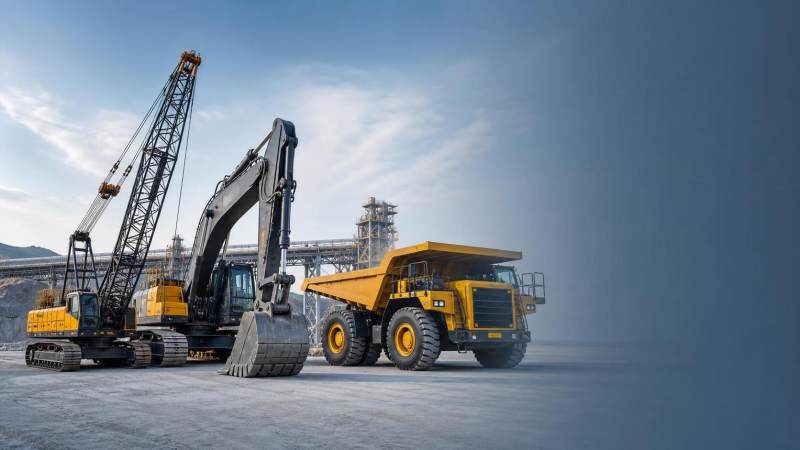
This is especially true for TBM systems, crawler cranes, large road machinery, ultra-large excavators, and mining dump trucks. These assets operate under tight technical and logistical constraints.
In practice, a capable heavy equipment supplier should align machine parameters with construction methodology. It should also understand site conditions, local compliance, and long operating cycles.
Sources like TF-Strategy often highlight this connection. Physical performance, project execution, and strategic infrastructure goals are closely linked in heavy industry.
So the real question is not, “Who can sell the machine?” It is, “Who can help the project perform with fewer surprises over time?”
What should you confirm before comparing any heavy equipment supplier?
Before sending requests or scoring vendors, define the job clearly. A fair comparison is impossible when the operating profile is still vague.
Start with the application envelope. Ground conditions, lift radius, altitude, haul distance, paving tolerance, or duty cycle all change what “fit for purpose” really means.
Then confirm which risks matter most. On some projects, mobilization speed dominates. On others, fuel efficiency, remote diagnostics, or cutter head material performance matter more.
- Required output: capacity, reach, penetration rate, payload, paving width, or cycle time.
- Operating environment: heat, dust, high altitude, confined tunnel space, unstable geology, or remote mining routes.
- Support assumptions: operator training, onsite technicians, spare stock, telematics access, and commissioning timeline.
- Commercial boundaries: warranty scope, liquidated damages exposure, shipping responsibilities, and payment milestones.
A heavy equipment supplier can only be judged properly when these requirements are written into a practical evaluation sheet. Otherwise, every proposal looks acceptable on paper.
How do you tell whether a supplier is technically capable, not just commercially polished?
The simplest test is relevance. Has the heavy equipment supplier delivered similar machines into similar ground, climate, and regulatory conditions?
A polished brochure is not enough. Ask for project references that match the real use case, not just the same machine category.
For example, a TBM reference in soft urban ground does not fully validate performance in mixed-face mountain tunneling. A crane reference for standard modules says little about nuclear or offshore lifts.
It also helps to review the engineering depth behind the proposal. Strong suppliers explain why the configuration suits the method of construction.
In real evaluations, technical credibility often shows up in details. Good suppliers speak comfortably about wear rates, hydraulic performance, transport segmentation, and maintenance intervals.
That kind of fluency matters in sectors tracked closely by TF-Strategy, where machine physics and engineering method are inseparable.
Is price still important, or should total cost of ownership lead the decision?
Price matters, but it rarely tells the full story. On infrastructure assets with long service cycles, total cost of ownership is usually the more useful decision frame.
A heavy equipment supplier with a higher upfront quote may still win on economics if uptime is stronger, fuel burn is lower, and major components last longer.
This becomes even more relevant where downtime is expensive. A stalled TBM, an idle crawler crane, or unavailable dump trucks can trigger cascading site costs.
- Acquisition cost, including transport, import duties, and commissioning.
- Operating cost, such as fuel, energy use, wear parts, and tire or cutter consumption.
- Maintenance burden, including labor hours, service intervals, and diagnostic access.
- Downtime exposure, especially for long-lead components and single-point failures.
- Residual value, rebuild options, and fleet standardization effects.
More advanced evaluations also factor in electrification readiness, telematics integration, and emissions pathways. Those issues increasingly shape future operating cost and compliance risk.
A sound heavy equipment supplier should be willing to discuss TCO assumptions openly. If those assumptions are hidden, comparisons become distorted.
Where do supplier risks usually hide during implementation?
Many risks appear after contract award, not before. That is why implementation planning is part of supplier evaluation, not a separate step.
Delivery planning is a common blind spot. Oversized equipment may require route studies, special permits, segmented transport, and local assembly resources.
Another weak point is parts readiness. A heavy equipment supplier may promise strong support, yet keep critical components outside the region.
Training quality also matters more than many teams expect. If operators and maintainers are unfamiliar with controls, diagnostic systems, or safe work limits, uptime falls quickly.
Pay attention to these risk areas during review:
- Factory lead times versus actual supply chain exposure for key components.
- Local certification, emissions approval, and site safety compliance.
- Assembly supervision, commissioning sequence, and acceptance testing scope.
- Digital support capability, including remote fault diagnosis and data ownership.
- Service response commitments with named contacts and measurable timelines.
In practical terms, the strongest heavy equipment supplier is often the one that exposes risks early. That openness usually signals operational maturity rather than weakness.
How can you compare suppliers without getting lost in mixed claims?
A weighted scorecard helps, but only if it reflects the project reality. Purely generic templates tend to reward presentation quality, not execution value.
One effective method is to group criteria into technical fit, delivery confidence, lifecycle economics, and support resilience. Then score each vendor using evidence, not statements.
The comparison below works well when reviewing any heavy equipment supplier for large infrastructure programs.
If two suppliers score closely, revisit the assumptions behind uptime and support. That is often where the practical difference appears.
Industry intelligence can strengthen this step. TF-Strategy, for example, frames supplier decisions through technology trends, field conditions, and commercial logic, not just brand visibility.
What is a sensible next step before making the final selection?
Shortlist only those suppliers that can defend their claims with evidence. Then move from proposal review to validation.
That validation may include reference calls, factory visits, engineering workshops, or a deeper review of service infrastructure. For specialized machines, those steps often prevent costly surprises.
It also helps to test the relationship, not only the machine. Ask how problems escalate, who signs off technical changes, and how spare parts are prioritized during peak demand.
The right heavy equipment supplier should demonstrate technical honesty, disciplined execution, and realistic long-term support. That combination is more valuable than an attractive headline quote.
Before the final decision, refine the scorecard with project-specific priorities. Confirm the assumptions behind TCO, delivery, and field service. Then compare suppliers using the same evidence standard.
When the project involves complex earth engineering, reliable intelligence makes that process stronger. A structured view of equipment capability, construction method, and market direction leads to better supplier choices.
Related News
 Sep 19, 2026Mining Truck Technology Trends: What Fleet Managers Should Prioritize for 2026Mining truck technology trends for 2026: prioritize electrification, autonomy, predictive maintenance, and road intelligence to improve fleet uptime, safety, and cost control.
 Sep 17, 2026How TBM Guidance Technology Maintains Alignment Through Curves and Variable GroundTunnel boring machine guidance technology helps teams maintain precise alignment through curves and variable ground, reducing risk, improving lining accuracy, and protecting schedules.
 Sep 16, 2026Infrastructure Equipment Market Reference: Demand, Pricing, and Supplier BenchmarksInfrastructure equipment market reference for buyers: assess demand signals, total cost, pricing risks, and supplier benchmarks for tunnels, mining, cranes, and road projects.
 Sep 15, 2026How to Evaluate Infrastructure Equipment Suppliers for Complex Project RequirementsInfrastructure equipment solutions supplier evaluation guide for complex projects: assess technical fit, lifecycle cost, reliability, local support, and contract risk.
Ms. Elena Rodriguez
Weekly Insights
Stay ahead with our curated technology reports delivered every Monday.