
How to compare mining equipment suppliers beyond price alone
Choosing among mining equipment suppliers on price alone often creates bigger costs later. Procurement teams usually search for a practical way to compare supplier quality, service reliability, technical fit, compliance, and long-term ownership cost before awarding contracts.
For buyers, the core issue is not simply “Who is cheapest?” but “Which supplier will protect uptime, budget, delivery schedules, and operational risk over the full equipment life cycle?” That is the standard a strong comparison process should follow.
Procurement professionals are usually most concerned about hidden downtime, weak spare parts support, unclear warranties, poor field service response, safety and regulatory exposure, and equipment that looks similar on paper but performs very differently on site.
The most useful content, therefore, is a practical evaluation framework. Buyers need clear criteria, weighted scoring methods, supplier interview questions, and warning signs that help them separate a low bid from a low-value offer.
In this article, the emphasis is on lifecycle cost, technical suitability, after-sales capability, supplier resilience, and commercial risk control. Generic descriptions of mining machinery or overly broad sourcing theory are less useful and are intentionally minimized.
Why price-only comparisons often fail in mining procurement
Mining operations are unforgiving environments. A lower upfront quote can look attractive, but equipment failure, delivery delays, or weak support can erase any savings very quickly in production losses and emergency maintenance costs.
That is why experienced buyers compare suppliers through total value, not purchase price alone. In mining, the wrong choice affects availability, fuel efficiency, tire life, operator productivity, maintenance planning, and sometimes even site safety performance.
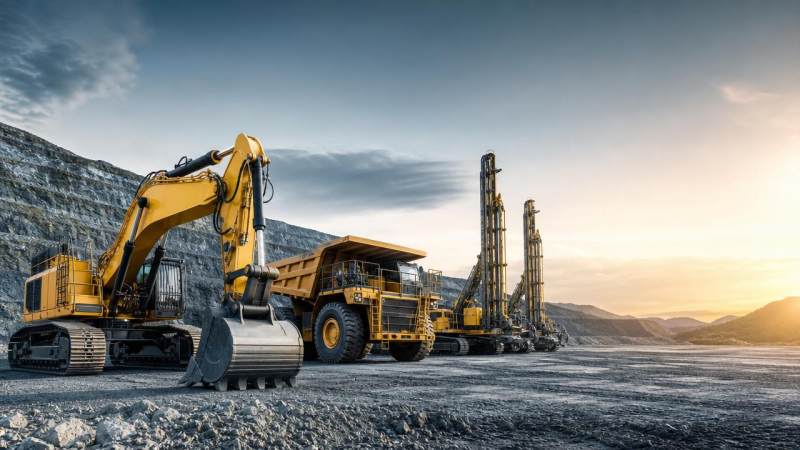
For example, two suppliers may offer similar excavators, haul trucks, or drilling systems. One may cost less at purchase, but require more frequent component replacement, slower service response, and longer lead times for critical spare parts.
When procurement teams rely only on bid price, they also risk underestimating commissioning support, training quality, software integration, and local service capability. These gaps often appear only after equipment reaches site and operations begin.
Start with operational fit, not catalog similarity
The first question for comparing mining equipment suppliers should be whether the proposed machine truly matches the site’s operating conditions. A technically correct solution is often more valuable than a superficially cheaper equivalent.
Procurement should confirm the equipment fits material type, bench height, haul distance, ambient temperature, altitude, duty cycle, and maintenance infrastructure. A machine proven in one mine may underperform in another with different geology or climate.
Ask suppliers to explain how their equipment configuration addresses your specific application. Look beyond standard brochures and request performance assumptions, duty cycle models, fuel or power consumption data, and references from similar operating environments.
This step matters because equipment that is oversized, undersized, or poorly matched to the mine plan can create bottlenecks. Even a reputable supplier may not be the right supplier if the application fit is weak.
Evaluate total cost of ownership with discipline
One of the most effective ways to compare mining equipment suppliers is to build a total cost of ownership model. This shifts procurement from headline price to the full economic impact over the asset’s working life.
Total cost of ownership should include acquisition price, freight, duties, commissioning, fuel or energy use, wear parts, scheduled maintenance, labor requirements, software subscriptions, training, rebuild intervals, and expected residual value.
It should also include the cost of downtime. In mining, one lost shift can outweigh a large portion of the original price difference. Procurement teams should estimate the financial impact of reduced availability under realistic operating conditions.
Ask each supplier for transparent assumptions behind lifecycle cost claims. If one vendor promises lower maintenance costs, require evidence: mean time between failures, component life data, rebuild plans, and site-level service commitments.
A disciplined cost model helps procurement avoid the common trap of comparing a complete supplier proposal with an incomplete low bid that excludes support, tooling, or critical wear packages.
Check uptime support and parts availability as seriously as machine specs
In heavy mining environments, support capability can be as important as equipment design. A strong machine with weak after-sales service can become a costly liability when failures occur under demanding production schedules.
Procurement should examine local parts stock, regional warehouse access, emergency logistics capacity, and the supplier’s average response time for field technicians. Ask what happens when a major component fails during peak production demand.
Review the supplier’s service network in the exact geography where the equipment will operate. Some suppliers perform well in major mining regions but struggle in remote areas with customs delays, limited technicians, or inconsistent dealer quality.
Important questions include whether the supplier offers on-site service agreements, predictive maintenance tools, remote diagnostics, condition monitoring, and training for mine maintenance crews. These factors directly affect uptime and maintenance control.
If parts support is outsourced through third parties, clarify responsibility. Procurement should know who owns inventory risk, who authorizes warranty claims, and who is accountable when a machine remains down for days.
Compare supplier reliability through evidence, not promises
Procurement teams should treat supplier claims carefully and verify them through references, installed base data, and documented performance. A polished proposal is useful, but operating evidence is what reduces commercial risk.
Ask for customer references in similar mine types, similar climates, and similar production intensity. A supplier that has succeeded in quarry applications may not have the same track record in large open-pit or high-altitude mining conditions.
Look for evidence such as fleet population, average age of machines in operation, rebuild support history, and repeat business from established mining companies. Repeat orders often reveal more than marketing language.
It is also valuable to ask how the supplier handled past failures, delays, or quality issues. Strong suppliers do not avoid difficult stories; they explain root cause, corrective action, and what systems now prevent recurrence.
Assess engineering depth and application support
Not all suppliers contribute the same level of technical support before and after delivery. Buyers should compare whether a supplier is merely selling equipment or actively helping optimize the mining process.
Strong suppliers can support equipment selection, payload matching, haul cycle analysis, ground engagement tools, bucket configuration, tire strategy, and maintenance planning. This engineering depth can materially improve productivity and asset life.
For procurement, this matters because application support reduces the risk of buying the wrong configuration. It also improves confidence that the supplier understands the mine’s production targets rather than only the procurement event.
If a supplier can provide simulation data, fleet optimization input, or detailed site adaptation recommendations, that often signals stronger long-term value than a lower-cost offer with limited technical engagement.
Review safety, compliance, and sustainability credentials
For professional buyers, supplier comparison must include safety standards and regulatory compliance. This is especially important when equipment will operate across different jurisdictions or under strict contractor and owner requirements.
Check whether the supplier meets relevant emission standards, machine guarding requirements, braking performance rules, telematics security standards, and operator safety features such as visibility systems and fatigue support technologies.
Also review documentation quality. Good suppliers provide complete manuals, maintenance procedures, certification records, and compliance evidence. Weak documentation can create onboarding delays, audit issues, and internal approval problems.
Sustainability is becoming increasingly relevant as mines face pressure on emissions, energy consumption, and community expectations. Suppliers with credible electrification, efficiency, rebuild, and responsible sourcing strategies may offer stronger long-term alignment.
Examine warranty terms and what they actually cover
Warranty value is often misunderstood in bid comparisons. A longer warranty period does not automatically mean better protection if coverage exclusions, response conditions, or claim procedures are restrictive.
Procurement should compare what components are covered, what usage assumptions apply, whether wear parts are excluded, how failures are diagnosed, and how labor, travel, and freight are handled during warranty events.
It is also important to ask whether the warranty remains valid if servicing is shared with the mine’s own maintenance team. Some terms become less favorable when third-party intervention or non-approved parts are involved.
A practical supplier comparison includes not only warranty duration but the supplier’s historical behavior in honoring claims. Fast, fair resolution often matters more than promotional wording in the contract summary.
Understand delivery risk and supply chain resilience
In mining projects, timing can be commercially critical. Delayed equipment arrival may affect stripping schedules, production ramp-up, contractor penalties, or financing assumptions. Supplier comparison should therefore include delivery confidence.
Ask each supplier to explain manufacturing lead time, key component sourcing, logistics routes, and contingency plans for disruption. A very competitive quote may depend on fragile supply assumptions that create hidden schedule risk.
Procurement should also review the supplier’s dependence on single-source components, geopolitical exposure, and regional assembly capability. A supplier with a resilient delivery model may be worth a premium in volatile markets.
If the procurement involves multiple units, phased delivery, or site assembly, require a realistic project schedule with milestones, risk points, and named responsibilities. This reveals whether the supplier can manage execution, not just quoting.
Use a weighted scorecard to make supplier comparisons defensible
A formal scorecard helps procurement teams compare mining equipment suppliers objectively. It reduces bias, supports internal approvals, and creates a record showing why a higher-priced proposal may offer lower overall risk.
A practical scorecard can assign weights to technical fit, lifecycle cost, uptime support, references, compliance, warranty strength, delivery reliability, digital capability, and commercial terms. The exact weighting should reflect project priorities.
For example, a greenfield mine ramp-up may prioritize delivery certainty and commissioning support. A mature operation may place more weight on parts availability, fleet commonality, and rebuild economics.
Use both quantitative and qualitative criteria. Some factors, such as fuel burn or lead time, are measurable. Others, such as problem-solving behavior and engineering responsiveness, require structured judgment from cross-functional stakeholders.
When possible, involve operations, maintenance, finance, and safety teams in the scoring process. Procurement gains stronger decisions when supplier comparison reflects the realities of those who will use and support the equipment.
Red flags that should lower supplier confidence
Some warning signs appear repeatedly in weak supplier proposals. One is vague lifecycle cost claims without assumptions, evidence, or site-specific modeling. Another is overreliance on generic brochures instead of application-focused answers.
Other red flags include unclear parts stocking plans, inconsistent lead times, weak local service presence, limited reference access, and unwillingness to commit to measurable response targets in contracts or service agreements.
Buyers should also be cautious when commercial terms look simple only because major support elements are excluded. Low bids sometimes omit training, commissioning, consumables, software, specialist tooling, or transport responsibilities.
If a supplier avoids difficult technical questions, changes points of contact frequently, or cannot explain past field issues transparently, procurement should treat that as a meaningful risk signal rather than a minor inconvenience.
Questions procurement teams should ask before awarding the contract
Several questions help reveal whether a supplier can create long-term value. What similar sites has this machine supported successfully? What is the guaranteed service response time? Which parts are stocked locally, and in what volume?
Ask how the supplier models productivity and consumption in your environment. Request assumptions for payload, duty cycle, material density, and maintenance intervals. Then compare whether those assumptions are realistic for your operation.
Procurement should also ask who will handle commissioning, training, software updates, operator familiarization, and technical escalation. Good suppliers define responsibility clearly, which reduces operational friction after delivery.
Finally, ask what risks the supplier sees in your project and how they propose to mitigate them. The quality of that answer often distinguishes a strategic partner from a transactional vendor.
Conclusion: the best supplier is the one that protects performance over time
Comparing mining equipment suppliers beyond price alone is not a luxury. It is a necessary procurement discipline for protecting uptime, controlling total cost, and reducing project execution risk in demanding mining environments.
The most reliable decisions come from evaluating operational fit, lifecycle economics, support capability, engineering depth, compliance, warranty quality, and delivery resilience together rather than treating purchase price as the main signal.
For procurement professionals, a structured comparison framework makes supplier selection more defensible and more valuable to the business. The goal is not simply to buy equipment cheaply, but to secure dependable production performance over years of operation.
When buyers apply that standard, they are far more likely to choose a supplier that strengthens project outcomes, supports mine productivity, and delivers real value long after the purchase order is signed.
Related News
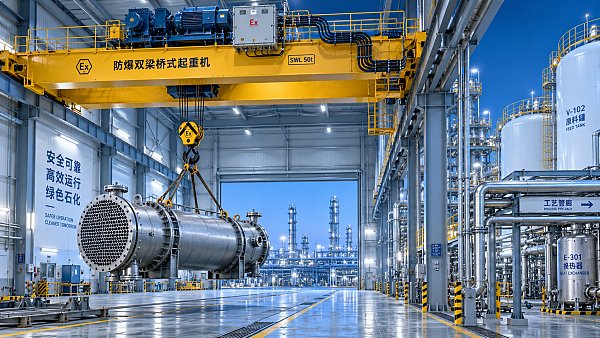
 Oct 06, 2026Selecting Petrochemical Overhead Cranes for Hazardous Areas and Heavy Process LoadsPetrochemical overhead cranes for hazardous areas: learn how to match capacity, duty, controls, corrosion protection, and maintenance access for safer, reliable lifts.
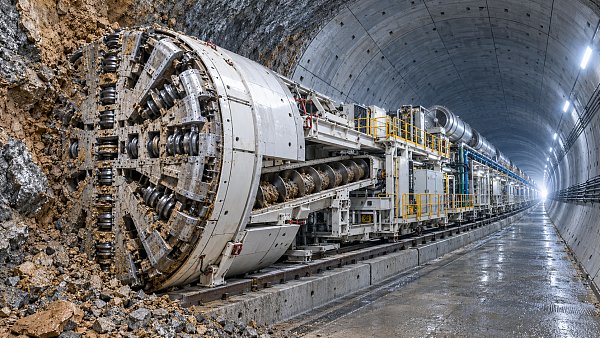
 Oct 05, 2026Tunneling Equipment Specification Planning: Key Criteria for Ground and Project RisksEquipment specification planning tunneling: learn how to match TBM systems to ground risks, geometry, safety, logistics, and lifecycle cost for more reliable project delivery.
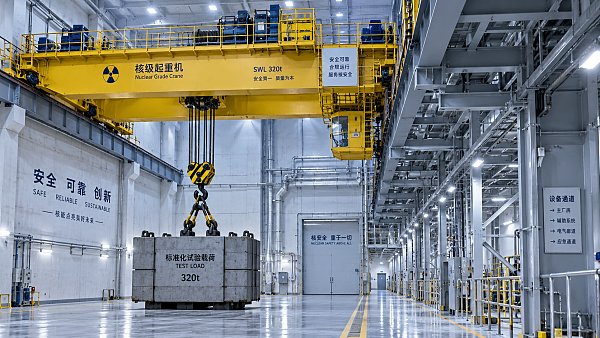
 Oct 04, 2026Nuclear Lifting Equipment Cost: Budgeting for Compliance, Testing, and Lifecycle RiskNuclear lifting equipment cost explained: budget for compliance, proof-load testing, installation, documentation, and lifecycle risk to make confident procurement decisions.
 Oct 03, 2026How to Assess TBM Manufacturers for Hard-Rock Tunneling Projects?Choose the right tunnel boring machine manufacturer for hard-rock projects. Explore key criteria for design, lifecycle cost, factory quality, and service support.
Ms. Elena Rodriguez
Weekly Insights
Stay ahead with our curated technology reports delivered every Monday.