
How to judge a heavy equipment supplier beyond the quote
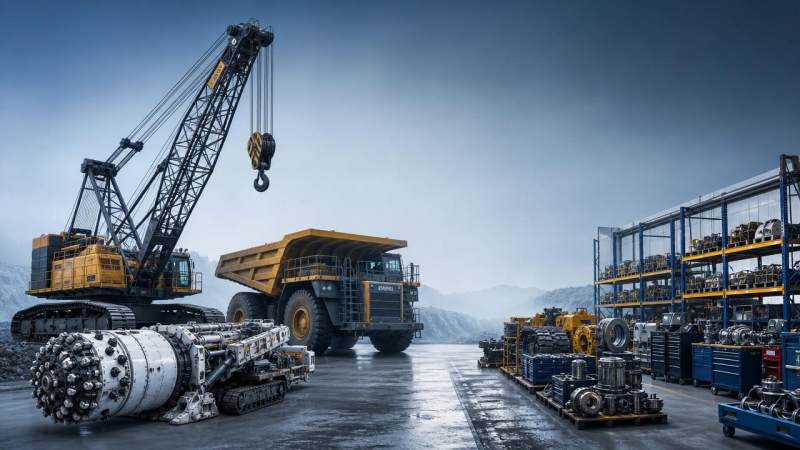
Choosing a heavy equipment supplier is about far more than comparing quotes. In tunneling, mining, lifting, and road construction, the lowest price can hide the highest project risk. A better decision comes from testing technical fit, delivery discipline, after-sales strength, parts access, and lifecycle economics. This guide explains how to judge a heavy equipment supplier beyond the quote, using practical questions and measurable checkpoints.
What does a heavy equipment supplier really provide beyond the machine?
A reliable heavy equipment supplier does not only ship hardware. It delivers uptime, documentation, training, and risk control across the equipment lifecycle.
In complex sectors, equipment performance depends on ground conditions, haul roads, lifting plans, operator skill, and maintenance discipline. Price alone cannot capture that reality.
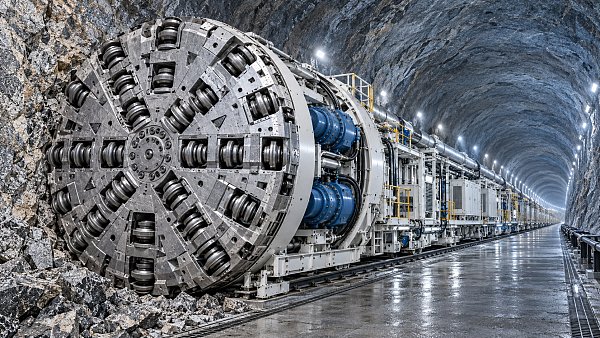
For example, a TBM package may require cutterhead advice, spare wear parts planning, and site commissioning. A crawler crane package may need lift studies and assembly support.
A strong heavy equipment supplier usually offers these value layers:
- Application engineering before contract signing
- Transparent specifications and performance limits
- Factory testing, inspection support, and acceptance records
- Installation, commissioning, and operator training
- Spare parts planning and service response commitments
- Remote diagnostics, data support, and maintenance guidance
The real purchase is not only steel and hydraulics. It is the ability to keep production moving under difficult site conditions.
How can you evaluate technical fit instead of relying on a quote?
The first test is whether the heavy equipment supplier understands the job, not just the catalog. Ask how the proposed unit matches the application profile.
A useful review starts with operating conditions. Consider altitude, ambient temperature, fuel quality, material density, gradient, duty cycle, and transport restrictions.
Then compare those conditions against actual design limits. A generic quote often ignores hidden stress points that later reduce productivity or shorten component life.
Questions that reveal technical depth
- What similar projects has this model completed successfully?
- Which assumptions were used for capacity, output, or cycle time?
- What derating applies at high altitude or extreme heat?
- Which wear components are expected to drive maintenance cost?
- What site preparation is required before delivery or commissioning?
A qualified heavy equipment supplier should answer with data, references, and engineering logic. Vague statements are a warning sign.
In heavy industry, “fit for purpose” often matters more than headline capacity. A slightly smaller but better-matched machine can outperform a larger, poorly matched option.
How do you compare lifecycle cost, not just purchase price?
A quote shows acquisition cost. It rarely shows ownership cost. That is why many buyers now compare total cost of ownership, not only initial invoice value.
When reviewing a heavy equipment supplier, calculate the full economics across operation, maintenance, downtime, and residual value.
Core TCO elements to review
- Fuel or energy consumption per operating hour
- Wear part replacement intervals and unit prices
- Preventive maintenance frequency and labor requirements
- Expected availability and mean time to repair
- Training needs and operator learning curve
- Resale value or second-life utilization
For mining dump trucks, tire life and drivetrain support can change economics dramatically. For TBM systems, cutter consumption and intervention frequency may dominate cost.
For cranes, transport configuration and mobilization time can reshape project margin. For road machinery, paving consistency may affect rework and material waste.
A serious heavy equipment supplier should help model these variables. If the seller avoids lifecycle discussion, the low quote may be masking future expense.
What service and parts indicators separate strong suppliers from risky ones?
Infrastructure and extractive projects run on schedule pressure. One delayed component can idle an entire workfront. Service depth is therefore a critical selection factor.
A dependable heavy equipment supplier should provide clear service coverage, realistic parts availability, and named technical contacts.
Service checkpoints worth verifying
- Local or regional parts stock for critical components
- Guaranteed response time for breakdown support
- Availability of field technicians and specialist engineers
- Remote monitoring and fault diagnosis capability
- Maintenance manuals, digital records, and training materials
Ask for actual examples of emergency support. A good heavy equipment supplier can explain how it handled a breakdown, parts shortage, or commissioning issue.
Also verify whether service is performed directly or outsourced. Third-party networks can work well, but only if responsibilities are contractually clear.
Which commercial and operational risks should you test before signing?
Many supplier problems appear after award, not before it. Delivery slippage, unclear exclusions, weak warranty handling, and compliance gaps often begin in contract wording.
A prudent review of any heavy equipment supplier should include legal, financial, and operational risk checks.
Red flags that deserve attention
- Specifications that differ from brochures without explanation
- Unclear Incoterms, taxes, inland transport, or assembly scope
- Warranty language that excludes common failure modes
- No liquidated damages or performance remedies
- Weak financial visibility or unstable manufacturing lead times
Compliance matters too. Depending on the market, emission standards, safety certifications, and digital reporting requirements may affect project approval and future resale.
The best heavy equipment supplier is transparent about lead time assumptions, subcontracting, and production bottlenecks. Honesty usually predicts better execution than overpromising.
How can you build a practical supplier scorecard for better decisions?
A structured scorecard reduces bias and keeps discussions fact-based. It also helps compare different brands, distributors, and package configurations fairly.
Use weighted criteria rather than one headline price. This makes the heavy equipment supplier evaluation more resilient and audit-friendly.
A simple scoring model can assign percentages to each area. High-risk projects often justify stronger weighting on service, technical fit, and commissioning support.
Quick FAQ comparison table
Judging a heavy equipment supplier beyond the quote means looking at technical credibility, field support, lifecycle value, and execution risk together. In high-value engineering, the cheapest offer can become the costliest interruption.
Use a structured review, ask evidence-based questions, and compare suppliers on outcomes rather than slogans. Better supplier judgment leads to better uptime, safer delivery, and stronger project economics.
For teams tracking TBM, open-pit mining, ultra-large lifting, road machinery, and heavy haulage trends, strategic intelligence can sharpen supplier evaluation before capital is committed. The next smart step is to build a scorecard, request proof, and test every quote against real operating conditions.
Related News
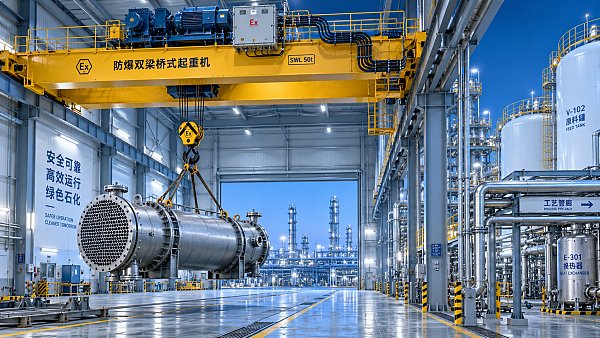
 Oct 06, 2026Selecting Petrochemical Overhead Cranes for Hazardous Areas and Heavy Process LoadsPetrochemical overhead cranes for hazardous areas: learn how to match capacity, duty, controls, corrosion protection, and maintenance access for safer, reliable lifts.
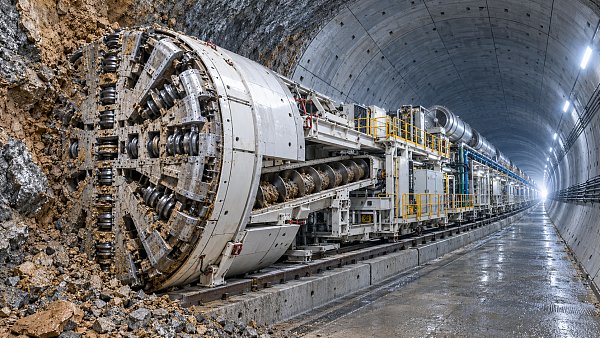
 Oct 05, 2026Tunneling Equipment Specification Planning: Key Criteria for Ground and Project RisksEquipment specification planning tunneling: learn how to match TBM systems to ground risks, geometry, safety, logistics, and lifecycle cost for more reliable project delivery.
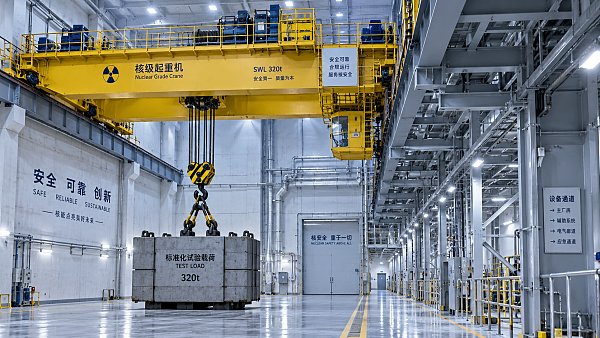
 Oct 04, 2026Nuclear Lifting Equipment Cost: Budgeting for Compliance, Testing, and Lifecycle RiskNuclear lifting equipment cost explained: budget for compliance, proof-load testing, installation, documentation, and lifecycle risk to make confident procurement decisions.
 Oct 03, 2026How to Assess TBM Manufacturers for Hard-Rock Tunneling Projects?Choose the right tunnel boring machine manufacturer for hard-rock projects. Explore key criteria for design, lifecycle cost, factory quality, and service support.
Ms. Elena Rodriguez
Weekly Insights
Stay ahead with our curated technology reports delivered every Monday.