
What drives mining equipment price in large expansion projects

In large expansion projects, mining equipment price is shaped by far more than base machine cost. Financial approvers must weigh capacity targets, fuel efficiency, supply chain volatility, automation options, maintenance risk, and lifecycle return before committing capital. Understanding these pricing drivers helps decision-makers compare vendors more accurately, control total cost of ownership, and support scalable investment strategies in high-value mining operations.
Why a checklist matters when evaluating mining equipment price
In expansion projects, equipment packages often involve excavators, haul trucks, drills, support systems, and digital controls purchased under tight production timelines.
That complexity makes mining equipment price easy to misread. A lower quote can hide fuel penalties, delayed delivery, weak parts support, or unsuitable machine sizing.
A checklist approach creates discipline. It links machine specifications with geology, haul profile, labor model, and uptime expectations before capital is locked in.
For heavy industry intelligence platforms such as TF-Strategy, this structured view reflects how physical performance and strategic project planning must be evaluated together.
Core checklist: what drives mining equipment price in large expansion projects
- Define production targets first, then size fleets accordingly, because mining equipment price rises sharply when equipment is oversized, duplicated, or mismatched with bench and haul conditions.
- Check payload, bucket volume, cycle time, and utilization together, since headline machine capacity means little if real site performance cannot support planned output.
- Compare fuel burn and energy efficiency across duty cycles, because operating cost expectations strongly influence acceptable mining equipment price over multi-year project horizons.
- Review engine tier, electrification options, and emissions compliance early, especially where expansion financing depends on carbon reduction or sustainability performance.
- Measure ground conditions, rock hardness, altitude, and temperature exposure, because extreme environments demand reinforced components that increase mining equipment price and spare requirements.
- Test compatibility between shovels, excavators, and mining dump trucks, since poor fleet matching reduces throughput and inflates the real cost behind an attractive equipment quote.
- Examine steel, tire, battery, and hydraulic component exposure, because commodity volatility often changes mining equipment price faster than base catalog assumptions suggest.
- Confirm delivery windows for long-lead items, including powertrain systems and control modules, because schedule pressure can trigger premium pricing in expansion phases.
- Audit automation, telemetry, and remote operation packages carefully, as software, sensors, and control integration can materially shift mining equipment price and support costs.
- Evaluate local service coverage, technician availability, and parts stocking depth, because weak aftersales support usually turns a lower purchase figure into higher lifecycle expense.
- Calculate maintenance intervals and rebuild strategy, since component life on engines, undercarriage systems, and hydraulic assemblies shapes the true capital recovery model.
- Review financing terms, currency exposure, and import duties, because mining equipment price in cross-border projects can move significantly after tax, freight, and exchange adjustments.
- Assess site infrastructure needs, including workshops, charging systems, fuel storage, and road upgrades, because supporting assets often sit outside the vendor’s machine quotation.
- Benchmark residual value and second-life demand, since resale potential affects how much mining equipment price can be justified at the investment approval stage.
How pricing drivers change by project scenario
Greenfield open-pit expansion
In a greenfield setting, mining equipment price is heavily influenced by first-time infrastructure needs. Roads, workshops, fuel systems, and dispatch platforms may exceed initial assumptions.
Delivery timing is also critical. If stripping and ore release windows are fixed, premium freight or alternative sourcing can raise total acquisition cost.
Brownfield capacity upgrade
In brownfield projects, compatibility becomes a stronger price driver. Existing maintenance tools, operator familiarity, and parts commonality can justify a higher mining equipment price.
However, hidden bottlenecks matter. A new ultra-large excavator may require wider haul roads, stronger berms, or different truck loading patterns.
High-altitude or extreme climate operations
At high altitude or under severe heat and cold, the quoted mining equipment price often includes cooling upgrades, filtration protection, tire adjustments, and specialized hydraulic settings.
These additions are not optional. Without them, downtime risk rises and the lowest bid becomes the most expensive decision on a delivered-cost basis.
Automation-led expansion
Where remote control, dispatch optimization, or autonomous haulage are planned, mining equipment price must include network readiness, software licenses, and integration testing.
In these cases, the machine is only one layer of cost. The digital operating ecosystem becomes part of capital planning from day one.
Commonly overlooked items that distort mining equipment price analysis
Overlooking tire economics is a frequent mistake. Large mining tires face supply pressure, long lead times, and high replacement cost, especially in expansion cycles.
Ignoring operator and maintainer training is another risk. Advanced systems need onboarding, and poor adoption can erase the value embedded in a higher mining equipment price.
Treating freight as a minor line item causes budgeting errors. Oversized modules, port congestion, and inland transport constraints can materially alter landed equipment cost.
Failing to model rebuild timing creates false savings. A cheaper unit may require major component work sooner, shifting cash demand into early production years.
Assuming all OEM support is equal also weakens comparison. Response time, digital diagnostics, and field inventory depth vary widely across regions.
Practical execution steps for better price evaluation
- Build a side-by-side cost model covering purchase price, freight, taxes, energy use, planned maintenance, major rebuilds, and residual value.
- Request site-specific performance assumptions from each vendor rather than relying on brochure data or generalized productivity claims.
- Use a common template for all bids so mining equipment price comparisons reflect equal scope, equal uptime assumptions, and equal support terms.
- Stress-test the budget against steel prices, exchange rates, logistics delays, and ramp-up slippage before final approval.
- Separate must-have features from optional technology modules to see which additions improve productivity and which merely increase capital intensity.
- Validate parts and service commitments with regional evidence, including inventory locations, technician presence, and average component turnaround times.
Conclusion: turn mining equipment price into a strategic decision
Mining equipment price in large expansion projects should never be judged as a simple purchase number. It reflects production logic, site conditions, energy strategy, supply chain risk, and lifecycle durability.
A disciplined checklist helps convert equipment selection from reactive bidding into structured capital planning. That approach improves vendor comparison, protects uptime, and supports stronger total cost outcomes.
The next step is practical: map project output targets, standardize bid inputs, and evaluate mining equipment price against real operating scenarios rather than headline quotes alone.
Related News
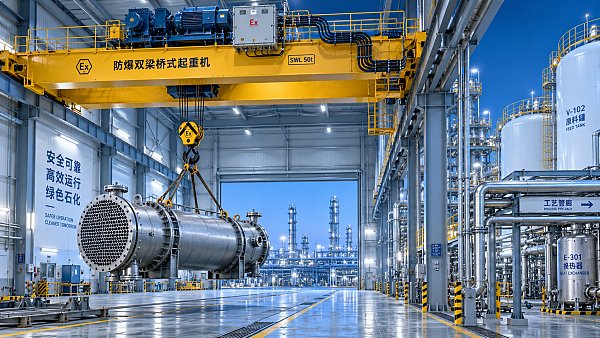
 Oct 06, 2026Selecting Petrochemical Overhead Cranes for Hazardous Areas and Heavy Process LoadsPetrochemical overhead cranes for hazardous areas: learn how to match capacity, duty, controls, corrosion protection, and maintenance access for safer, reliable lifts.
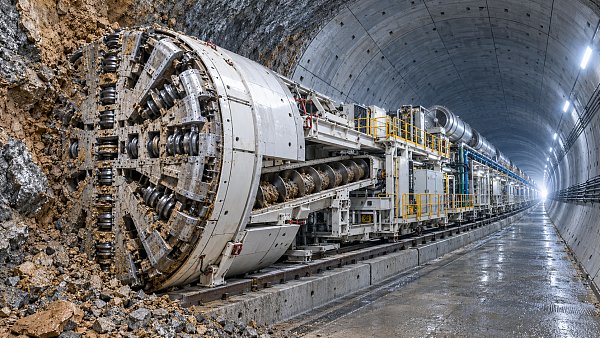
 Oct 05, 2026Tunneling Equipment Specification Planning: Key Criteria for Ground and Project RisksEquipment specification planning tunneling: learn how to match TBM systems to ground risks, geometry, safety, logistics, and lifecycle cost for more reliable project delivery.
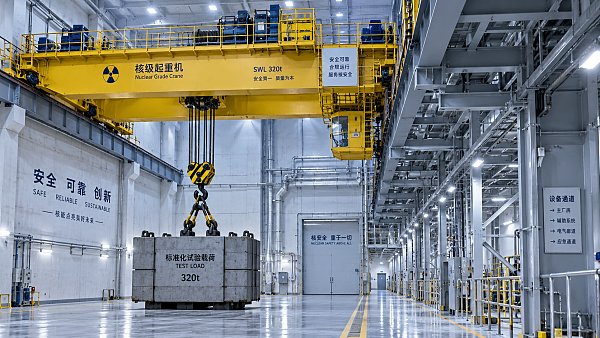
 Oct 04, 2026Nuclear Lifting Equipment Cost: Budgeting for Compliance, Testing, and Lifecycle RiskNuclear lifting equipment cost explained: budget for compliance, proof-load testing, installation, documentation, and lifecycle risk to make confident procurement decisions.
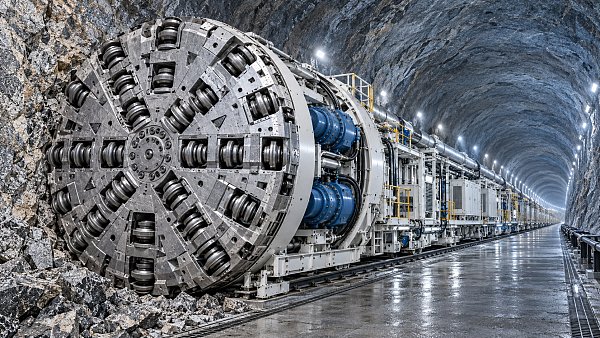
 Oct 03, 2026How to Assess TBM Manufacturers for Hard-Rock Tunneling Projects?Choose the right tunnel boring machine manufacturer for hard-rock projects. Explore key criteria for design, lifecycle cost, factory quality, and service support.
Ms. Elena Rodriguez
Weekly Insights
Stay ahead with our curated technology reports delivered every Monday.