
Is a heavy equipment auction worth the hidden risks?
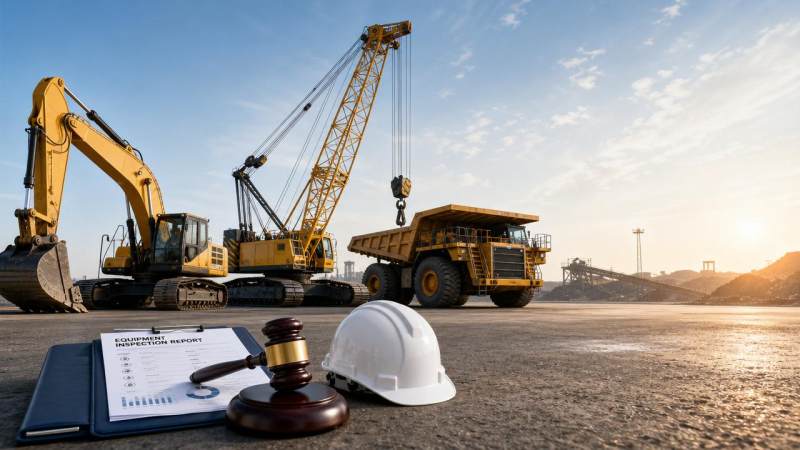
Is a Heavy Equipment Auction Worth the Hidden Risks?
A heavy equipment auction can look like a fast route to lower acquisition costs, especially when excavators, cranes, TBMs, or mining trucks are needed quickly.
Yet behind the bidding excitement may sit unclear service histories, hidden wear, import complications, and lifecycle cost traps.
Before committing capital, every heavy equipment auction decision needs a structured risk lens beyond the hammer price.
Why a Heavy Equipment Auction Needs Checklist Discipline
A heavy equipment auction compresses technical, financial, and legal decisions into a short bidding window.
That speed is useful, but it can also hide information gaps that later affect uptime, safety, and project delivery.
For TBMs, crawler cranes, mining trucks, road machinery, and large excavators, minor defects can become expensive failures.
A checklist turns the heavy equipment auction from a price contest into a controlled acquisition process.
It helps compare machines across brands, sites, operating hours, duty cycles, emissions rules, and transport constraints.
Core Heavy Equipment Auction Checklist
Use this checklist before bidding, during inspection, and after winning a heavy equipment auction lot.
- Verify serial numbers, engine plates, attachment tags, and ownership documents before treating any heavy equipment auction listing as reliable.
- Request maintenance records, oil analysis, overhaul invoices, and telematics data to confirm whether operating hours match actual component wear.
- Inspect undercarriage, boom structures, slewing rings, hydraulic cylinders, cutter heads, frames, and weld zones for fatigue or repair evidence.
- Start the machine cold, observe exhaust color, pressure response, abnormal vibration, electronic faults, and hydraulic temperature rise.
- Compare hammer price with freight, duties, insurance, refurbishment, certification, attachments, spare parts, and standby costs.
- Confirm emissions compliance, road transport permits, lifting certifications, mine-site acceptance rules, and local safety regulations.
- Check parts availability through authorized channels, rebuilt component suppliers, independent workshops, and regional inventory networks.
- Estimate remaining useful life by matching machine age, duty cycle, application severity, and manufacturer service intervals.
- Set a maximum bid using total cost of ownership, not optimism, urgency, or competitor pressure inside the auction hall.
- Prepare a post-auction recovery plan covering transport, customs clearance, workshop inspection, commissioning, and operator familiarization.
Technical Condition: The Risk Behind the Paint
Fresh paint can make a heavy equipment auction unit look more valuable than its mechanical reality.
The deeper inspection should focus on load-bearing systems, powertrain health, hydraulic contamination, and electronic fault history.
For excavators, pin wear, pump response, swing play, and bucket linkage condition reveal previous job severity.
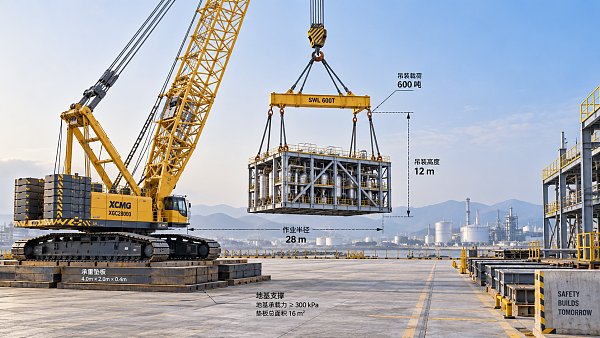
For crawler cranes, boom chord repairs, winch performance, counterweight completeness, and load moment systems require special attention.
For TBM-related equipment, cutterhead wear, thrust systems, slurry circuits, and segment handling systems can dominate refurbishment costs.
A heavy equipment auction inspection should never rely only on photos, videos, or seller descriptions.
Financial Evaluation Beyond the Hammer Price
The apparent discount at a heavy equipment auction can disappear once ownership costs are fully calculated.
A low bid may still become expensive if components need immediate rebuilding or certification is missing.
A disciplined heavy equipment auction budget should include a contingency reserve for unknown repairs.
For high-value assets, that reserve may decide whether the acquisition creates savings or operational drag.
Scenario Notes for Different Equipment Types
Open-Pit Mining Equipment
Mining dump trucks and ultra-large excavators often work under high payload, heat, dust, and continuous cycles.
At a heavy equipment auction, fatigue history matters as much as engine hours for these machines.
Frame cracks, suspension damage, brake wear, and haul-road impact loads should influence the final bid ceiling.
Tunnel and Underground Projects
TBM support systems, mucking equipment, slurry units, and segment transport machines have project-specific configurations.
A heavy equipment auction purchase may require redesign, adaptation, or specialized spare parts before redeployment.
Geology, tunnel diameter, power supply, and control systems must be matched before accepting any attractive price.
Cranes and Heavy Lifting
Crawler cranes carry elevated safety and liability exposure because failure can affect people, structures, and schedules.
A heavy equipment auction crane should include complete boom sections, counterweights, manuals, charts, and inspection certificates.
Missing documentation may reduce resale value and limit access to wind, petrochemical, or nuclear lifting jobs.
Road Construction Machinery
Pavers, compactors, graders, and milling machines depend on precision, automation, and consistent thermal performance.
A heavy equipment auction bargain may fail if screed wear, grade sensors, or hydraulic controls are compromised.
Smart highway projects require reliable electronics, clean calibration, and compatible digital control interfaces.
Commonly Ignored Risks in a Heavy Equipment Auction
Incomplete Documentation
Missing titles, import papers, lien releases, or service records can delay ownership transfer and financing.
In a heavy equipment auction, documentation gaps should reduce the bid or stop the purchase entirely.
Auction Terms and Buyer Premiums
Buyer premiums, storage fees, payment deadlines, and “as-is” conditions can change the economics quickly.
Read the heavy equipment auction terms before inspection, not after winning the lot.
Parts and Software Lock-In
Modern machines may require diagnostic access, software licenses, calibrated sensors, or manufacturer authorization.
A heavy equipment auction unit without digital service access can become difficult to maintain efficiently.
Cross-Border Logistics
Oversized cargo may face port congestion, customs inspection, dismantling costs, and marine insurance exclusions.
International heavy equipment auction purchases need logistics validation before the bid is submitted.
Practical Execution Advice Before Bidding
Treat every heavy equipment auction lot as a project asset, not simply a used machine.
- Build a bid file with photos, inspection notes, ownership checks, service evidence, freight quotes, and compliance findings.
- Use independent technical inspection for high-value cranes, TBM systems, mining trucks, and machines with limited records.
- Apply a stop-bid rule when documents, serial numbers, fault codes, or component histories cannot be verified.
- Benchmark similar machines from dealers, private sales, and previous heavy equipment auction results before setting a ceiling.
- Schedule immediate post-purchase maintenance, fluid replacement, calibration, safety inspection, and operator checks before deployment.
TF-Strategy views heavy machinery decisions through power, precision, geology, logistics, and lifecycle economics.
That perspective is especially important when a heavy equipment auction compresses complex engineering risks into one transaction.
Final Decision: Is the Risk Worth It?
A heavy equipment auction is worth considering when inspection access is strong, documentation is clean, and logistics are predictable.
It becomes dangerous when urgency replaces verification, or when the price hides technical uncertainty.
The best next step is to create a lot-by-lot risk score before any bid is placed.
Score condition, compliance, parts support, transport, application fit, and total cost of ownership.
If the heavy equipment auction unit still meets the required threshold, bid with discipline and a fixed ceiling.
If it fails the checklist, walk away. The cheapest machine can become the most expensive asset on site.
Related News
 Oct 17, 2026Tunnel Boring Machine Supplier List: Compare TBM Types and Service CoverageExplore our tunnel boring machinery supplier list to compare EPB, slurry and hard rock TBMs, assess service coverage and lifecycle costs, and build a smarter procurement shortlist.
 Oct 16, 2026Heavy-Duty Petrochemical Lifting: Selecting Cranes by Load, Radius, and Site AccessExplore heavy-duty petrochemical lifting solutions. Compare cranes by load, radius, site access, and ground support to reduce project risk and optimize lifting costs.
 Oct 15, 2026Crane Selection for Petrochemical Turnarounds: Capacity, Radius, and Site AccessExplore petrochemical lifting solutions cranes can deliver, with expert guidance on capacity, working radius, and site access to help you plan a safer, more efficient turnaround.
 Oct 14, 2026High-Capacity Heavy Lifting Solutions: Matching Load, Radius, and Ground ConditionsDiscover heavy lifting solutions high capacity projects demand—compare load charts, working radius, and ground conditions to select a feasible, cost-effective system.
Ms. Elena Rodriguez
Weekly Insights
Stay ahead with our curated technology reports delivered every Monday.