
What Is Geotechnical Engineering and Why Does It Matter in Early Site Planning?
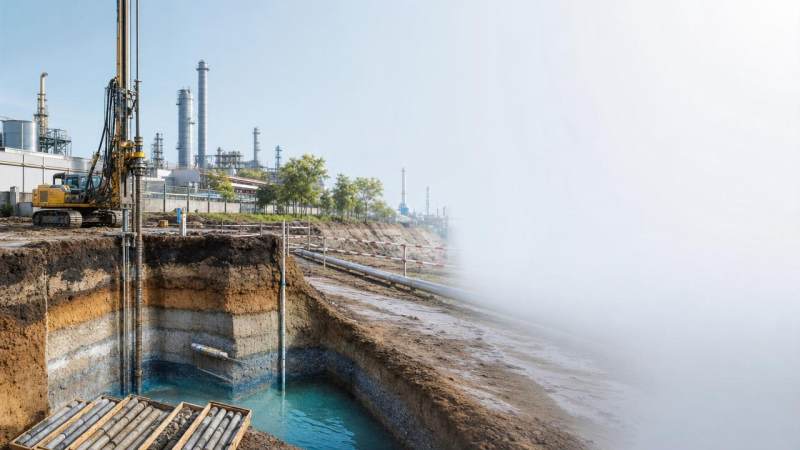
Geotechnical engineering sits at the front end of sound site planning because the ground decides far more than many early budgets admit. Before alignment, foundation type, excavation method, or equipment selection can be trusted, teams need a realistic picture of soil, rock, groundwater, and hidden ground risk. That is why geotechnical engineering matters in early planning for tunnels, mines, roads, energy facilities, and other heavy civil works where one wrong assumption can trigger delay, redesign, or unsafe construction conditions.
What geotechnical engineering really covers
In simple terms, geotechnical engineering studies how earth materials behave under load, excavation, vibration, water pressure, and long-term environmental change.
It connects field investigation, laboratory testing, ground modeling, and design judgment. The goal is not only to describe the subsurface, but to predict how it will respond during construction and operation.
That includes settlement, slope stability, bearing capacity, seepage, rock mass behavior, earth pressures, liquefaction potential, and the interaction between ground and machinery.
For early site planning, this discipline works as a decision filter. It reveals which options are viable, which are risky, and which require different sequencing, equipment, or cost assumptions.
Why early site planning depends on subsurface insight
At concept stage, a project may look efficient on the surface and still be difficult underground. A favorable route can cross soft clay, high groundwater, faulted rock, or contaminated fill.
Without early geotechnical engineering input, those conditions often appear later, when changes are more expensive and politically harder to absorb.
The planning impact is direct. Ground conditions influence:
- site selection and corridor alignment
- foundation concepts and excavation depth
- dewatering needs and environmental controls
- temporary works and construction sequencing
- equipment suitability, productivity, and wear
- risk allowance, contingency, and contract strategy
This is one reason early geotechnical engineering has moved closer to strategic planning. It is no longer just a later design input.
Why the topic is receiving more attention now
Several industry shifts are pushing geotechnical engineering into earlier conversations. Infrastructure is expanding into denser cities, deeper deposits, harsher climates, and tighter environmental conditions.
At the same time, capital discipline is stricter. Projects are expected to control total cost of ownership, not only initial construction price.
That matters across the heavy equipment ecosystem observed by TF-Strategy. In TBM projects, ground characterization shapes cutter head design, torque demand, lining strategy, and spoil handling.
In open-pit mining, geotechnical engineering informs slope angles, bench design, haul road stability, and the operating envelope for ultra-large excavators and mining dump trucks.
In wind, nuclear, petrochemical, and highway construction, crawler cranes and road machinery depend on ground bearing reliability, platform performance, and settlement control.
More digital tools are also changing expectations. Borehole data, remote sensing, geological models, and equipment telemetry can now be stitched together earlier, making better decisions possible when teams know what to look for.
From ground data to business value
The value of geotechnical engineering is often misunderstood as a compliance cost. In practice, it protects schedule logic and commercial realism.
A stronger early ground model can reduce surprise claims, avoid overdesigned foundations, and improve contractor pricing confidence. It can also prevent underestimation, which is usually more damaging.
The commercial effect becomes clearer when viewed through planning decisions.
This is where geotechnical engineering moves beyond technical reporting. It becomes part of capital allocation and delivery strategy.
Where geotechnical engineering matters most
Tunneling and underground works
For tunneling, ground uncertainty affects machine choice, face support pressure, cutter consumption, settlement risk, and spoil conditioning.
Even small differences in rock abrasivity or mixed-face conditions can change TBM performance and maintenance cycles.
Open-pit mining and haulage corridors
In mining, geotechnical engineering supports slope management, waste dump stability, water control, and reliable haul roads for heavy trucks.
Poor ground understanding can limit productivity long before equipment reaches its rated capacity.
Heavy lifting and industrial foundations
Crawler cranes require verified bearing conditions, especially for large modules, turbine components, and nuclear or petrochemical lifts.
Temporary working platforms often fail when geotechnical assumptions are generic rather than site-specific.
Roads, embankments, and logistics links
Road machinery performs best when subgrade behavior is understood early. Moisture sensitivity, weak layers, and differential settlement directly affect paving quality and maintenance demand.
What to examine before trusting early geotechnical conclusions
Not all site investigations are equally useful. Early geotechnical engineering is only as strong as the questions behind it.
A practical review usually includes the following points:
- Whether boreholes and test pits reflect the actual construction footprint
- Whether groundwater data captures seasonal or operational variation
- Whether laboratory testing matches likely failure mechanisms
- Whether the model shows uncertainty, not only average values
- Whether equipment assumptions align with material strength and abrasivity
- Whether temporary works receive the same attention as permanent works
This review matters because early decisions are often made on partial information. The risk is not uncertainty itself, but treating uncertainty as resolved.
How intelligence platforms make geotechnical insight more useful
Ground investigation creates raw technical knowledge. Strategic value appears when that knowledge is linked to methods, equipment, supply chains, and market timing.
That broader link is increasingly important in global heavy industry. TF-Strategy reflects this need by connecting geological signals with machinery parameters, construction methodology, and infrastructure demand.
For example, a subsurface profile is more useful when it is read alongside TBM cutter head material trends, hydraulic performance expectations, remote-controlled excavation developments, and contractor cost pressure.
The same logic applies in mining and heavy lifting. Geotechnical engineering becomes more actionable when it is interpreted with haulage strategy, platform loading, road durability, and equipment deployment constraints in mind.
In other words, the most valuable early site planning does not isolate geology from execution. It combines them.
A useful way to move forward
When evaluating a site, start by asking what ground conditions could change the project concept, not just the design detail.
Then compare those conditions against excavation method, support needs, water control, equipment wear, logistics access, and long-term asset performance.
That approach makes geotechnical engineering a planning tool rather than a late technical checkpoint. It also creates a stronger basis for comparing routes, staging plans, and machinery strategies.
For ongoing research, the most reliable next step is to track subsurface data together with construction method signals and heavy equipment trends. That combination usually reveals which projects are merely possible and which are truly buildable.
Related News
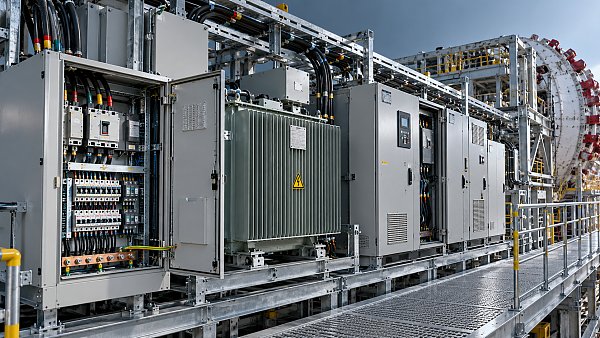
 Oct 26, 2026How TBM Electrical Systems Distribute Power and Protect Against FaultsExplore how TBM equipment electrical systems distribute power, coordinate fault protection, and maintain essential services. Learn what to check for safer, more reliable tunneling.
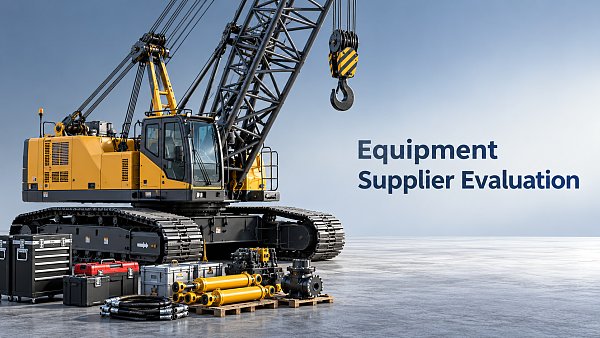
 Oct 25, 2026Comparing Industrial Equipment Suppliers: Lead Times, Warranties, and ServiceMake a smarter industrial equipment supplier comparison. Explore lead times, warranty coverage, and service support to reduce downtime risk and choose with confidence.
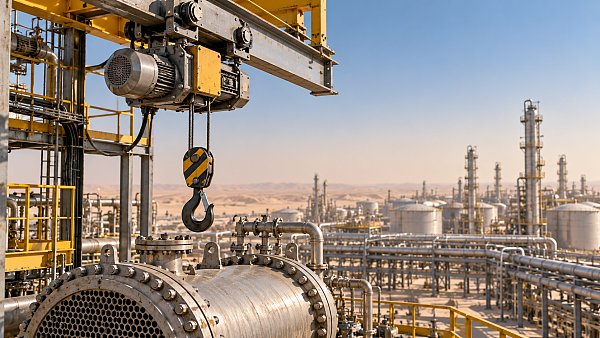
 Oct 24, 2026Choosing Lifting Equipment for Middle East Petrochemical Plants in Hazardous AreasExplore petrochemical lifting equipment Middle East plants can rely on. Compare hazardous-area certification, capacity, and heat limits to make informed procurement decisions.
 Oct 23, 2026Selecting Lifting Equipment for Nuclear Component Transport: Key Safety CriteriaSelecting lifting machinery for nuclear component transport? Discover essential safety criteria, load control checks, and supplier requirements to guide confident procurement.
Related News

Ms. Elena Rodriguez
Weekly Insights
Stay ahead with our curated technology reports delivered every Monday.