
What buyers should check before sourcing wind power components
Why wind power components sourcing now demands deeper verification
Before sourcing wind power components, cost should never be the only filter.
Buyers now face tighter project schedules, larger turbine platforms, and stricter performance expectations across global energy infrastructure.
A weak sourcing decision can create delays, claims, premature failures, and expensive replacement work years after installation.
That is why wind power components must be checked through a full lifecycle lens.
Material origin, manufacturing stability, technical compliance, transport readiness, and service support all influence project value.
In heavy industry intelligence, this wider view matters even more.
Platforms such as TF-Strategy track how equipment scale, logistics complexity, and infrastructure investment reshape procurement decisions.
For wind projects, these shifts mean sourcing teams must verify not just the part, but the system behind the part.
The market signal is clear: larger turbines raise sourcing risk
The wind sector is moving toward larger towers, longer blades, and heavier nacelle assemblies.
As a result, wind power components are exposed to higher loads, longer duty cycles, and narrower installation tolerances.
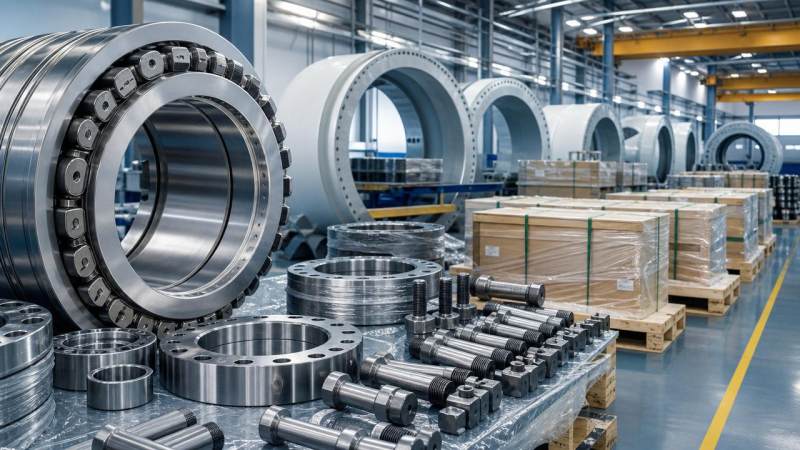
This trend affects castings, bearings, flanges, fasteners, gear elements, electrical systems, and lifting interfaces.
At the same time, global projects are built across harsher environments.
Offshore corrosion, desert heat, high-altitude transport, and remote maintenance conditions all increase reliability pressure.
Even standard-looking wind power components may require upgraded coatings, tighter tolerances, or stronger traceability records.
This is where many sourcing errors begin.
A quotation may match the drawing, yet fail the operational context.
What is driving stricter checks before deals are signed
Several forces are pushing buyers to examine wind power components more carefully than before.
The first checkpoint is supplier capability, not brochure claims
Many sourcing decisions fail because documentation looks complete while production capability remains unclear.
For wind power components, the supplier should prove stable process control under repeat production conditions.
Ask whether key operations are in-house or outsourced.
This includes forging, machining, heat treatment, coating, welding, balancing, and final inspection.
A capable supplier can clearly show equipment lists, critical tolerances, scrap rates, and nonconformance handling procedures.
Production references also matter.
Check whether similar wind power components have already served comparable turbine sizes or site conditions.
If available, review evidence through 无 as part of wider supplier comparison.
Key capability checks
- Actual monthly capacity for the required part family
- Quality team experience with wind sector standards
- Calibration status of inspection tools
- Corrective action speed for defects and deviations
- Financial stability during long project execution cycles
Material traceability has become a decisive risk control measure
Traceability is no longer a paperwork exercise.
For wind power components, it directly supports safety, warranty defense, and root-cause investigation.
Every critical material should be linked to heat numbers, mill certificates, and inspection records.
That link must remain visible after machining, coating, assembly, and shipment.
Without robust traceability, one defect can contaminate an entire batch decision.
This is especially important for bolts, bearings, castings, gearbox parts, and structural interfaces.
A useful check is to request a sample traceability package before purchase.
If the supplier struggles to assemble it, control discipline may be weak.
Certification and testing must match project reality, not generic promises
Certification should be verified against the exact project requirement.
A general quality certificate does not automatically validate wind power components for demanding turbine applications.
Review which international or customer-specific standards apply.
Then match them with test scope, frequency, laboratory competence, and report authenticity.
Important records may include dimensional reports, non-destructive testing, coating thickness, corrosion tests, fatigue analysis, and functional checks.
For custom items, first article inspection is often worth requiring.
This creates an early checkpoint before large volume commitment.
Common documentation gaps to watch
- Expired certificates with no renewal evidence
- Test reports lacking part number or batch linkage
- Standards cited but not relevant to the final application
- Third-party inspection listed but not independently verifiable
Delivery reliability now shapes project economics more than quoted price
In wind projects, installation windows are narrow and expensive.
One delayed shipment of wind power components can disrupt cranes, transport teams, civil work, and commissioning plans.
That makes schedule reliability a core sourcing metric.
Check lead times for raw material, process bottlenecks, export documents, and heavy cargo booking.
Also review packaging design.
Poor protection can damage critical surfaces long before arrival on site.
For oversized or high-value units, ask for a logistics plan showing route, lifting points, storage instructions, and inspection upon receipt.
This broader visibility often reveals risks hidden behind an attractive unit price.
Lifecycle performance is the real benchmark for wind power components
The cheapest part can become the most expensive asset decision.
Wind power components should be judged by service life, maintenance frequency, downtime exposure, and replacement complexity.
This is especially true offshore or in remote land-based projects.
A modest improvement in durability can generate major savings over the asset lifetime.
Review coating systems, sealing performance, wear resistance, lubrication intervals, and historical field data.
If the supplier cannot discuss failure modes, the sourcing case is incomplete.
Even where product data appears acceptable, field support and spare strategy should still be reviewed through 无.
Where changing requirements affect different business links
The shift toward stricter validation affects more than supplier selection.
It changes engineering alignment, contract structure, logistics planning, and after-sales readiness.
- Engineering: tighter specification control reduces later redesign risk.
- Quality assurance: earlier audits improve defect prevention.
- Project scheduling: realistic lead times protect installation sequences.
- Operations: better reliability supports long-term asset output.
- Commercial planning: total cost visibility improves negotiation quality.
In short, stronger checks on wind power components create value well beyond the purchase order.
The priority checklist that deserves attention before commitment
- Confirm the real manufacturing location and subcontract map.
- Verify raw material certificates and batch traceability flow.
- Match certifications to exact technical and regional requirements.
- Request sample inspection records from previous production lots.
- Review process capability for critical dimensions and fatigue-sensitive features.
- Check packaging, corrosion protection, and shipping method.
- Assess warranty terms, service response, and replacement lead times.
- Compare total lifecycle cost against initial quote value.
A practical way to judge sourcing options in the next step
The best sourcing decision for wind power components is rarely the fastest quotation approval.
It is the one supported by evidence, context, and lifecycle judgment.
As wind infrastructure grows in scale and complexity, disciplined verification becomes a competitive advantage.
Use the checks above to screen risk early, improve negotiation quality, and protect long-term asset performance before signing the next deal.
Related News
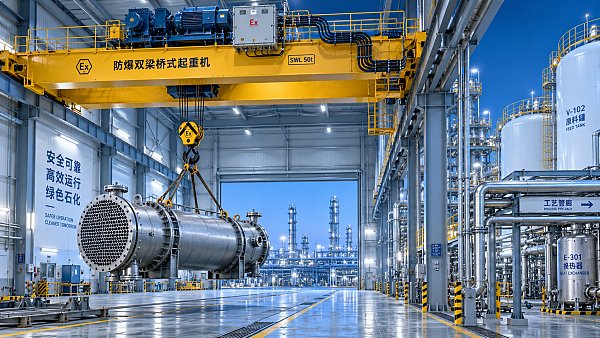
 Oct 06, 2026Selecting Petrochemical Overhead Cranes for Hazardous Areas and Heavy Process LoadsPetrochemical overhead cranes for hazardous areas: learn how to match capacity, duty, controls, corrosion protection, and maintenance access for safer, reliable lifts.
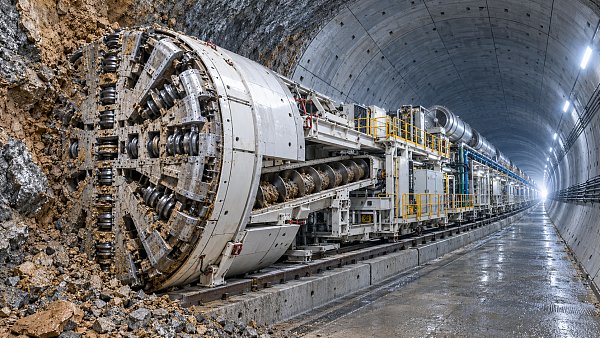
 Oct 05, 2026Tunneling Equipment Specification Planning: Key Criteria for Ground and Project RisksEquipment specification planning tunneling: learn how to match TBM systems to ground risks, geometry, safety, logistics, and lifecycle cost for more reliable project delivery.
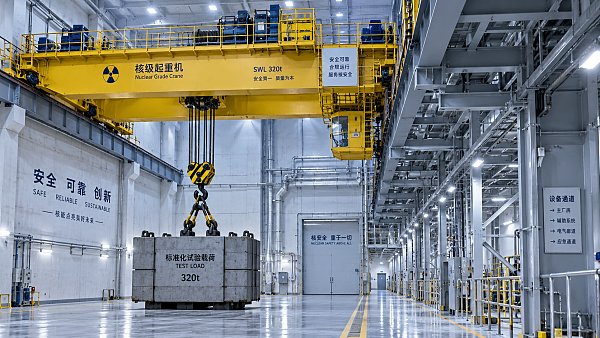
 Oct 04, 2026Nuclear Lifting Equipment Cost: Budgeting for Compliance, Testing, and Lifecycle RiskNuclear lifting equipment cost explained: budget for compliance, proof-load testing, installation, documentation, and lifecycle risk to make confident procurement decisions.
 Oct 03, 2026How to Assess TBM Manufacturers for Hard-Rock Tunneling Projects?Choose the right tunnel boring machine manufacturer for hard-rock projects. Explore key criteria for design, lifecycle cost, factory quality, and service support.
Ms. Elena Rodriguez
Weekly Insights
Stay ahead with our curated technology reports delivered every Monday.