
When heavy haulage solutions save more than standard transport
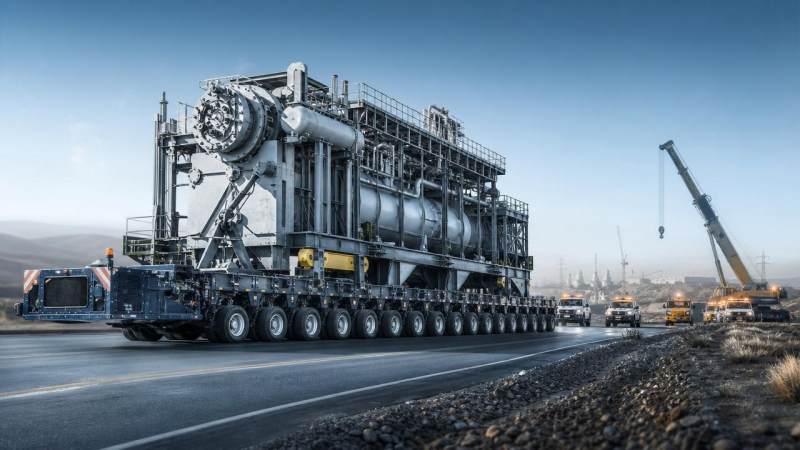
For business evaluators comparing logistics costs, risk exposure, and project timelines, heavy haulage solutions often deliver greater value than standard transport. When oversized machinery, mine equipment, or critical infrastructure components are involved, the right transport strategy can reduce handling delays, protect assets, and improve total project efficiency. In many cases, the higher planning effort pays back through fewer disruptions, stronger asset protection, and better project control.
Why heavy haulage solutions are gaining strategic importance
Across mining, tunneling, energy, and civil construction, equipment is becoming larger, heavier, and more specialized. Standard transport was designed for routine freight, not for machines that shape national infrastructure.
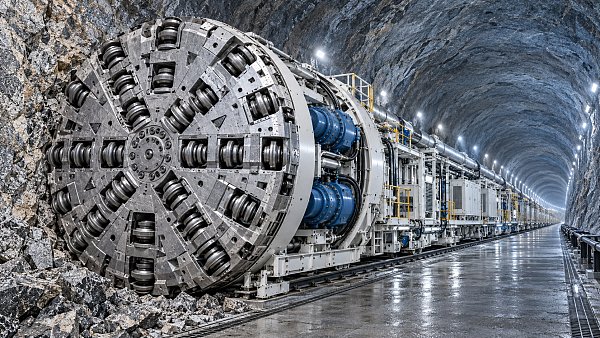
This shift is visible in TBM modules, crawler crane sections, mining dump truck frames, and oversized road machinery. These assets demand route engineering, axle load planning, lifting coordination, and permit control.
As global projects become tighter in schedule, transport is no longer a simple supporting task. Heavy haulage solutions now influence commissioning speed, site readiness, and the economics of capital-intensive projects.
For intelligence platforms such as TF-Strategy, this change reflects a broader pattern. Power and precision no longer stop at machine design. They now extend into logistics execution and delivery strategy.
The current signals show standard transport reaching its limits
Several market signals explain why heavy haulage solutions are discussed more often in infrastructure and heavy industry planning.
- Equipment dimensions are increasing faster than road freight norms.
- Project schedules leave little room for transport-related rework.
- Remote sites require multimodal planning, not point-to-point delivery.
- Insurance and compliance demands are stricter for high-value cargo.
- Damage during loading or route mismatch creates major downstream losses.
In this environment, standard transport can appear cheaper at the booking stage. Yet the visible freight rate rarely captures total risk, handling complexity, or delay exposure.
Heavy haulage solutions are rising because they match the physical reality of modern heavy assets. They also align with the strategic pressure to keep billion-dollar projects moving.
What drives the shift toward heavy haulage solutions
The move toward specialized transport is not driven by one factor. It comes from the intersection of engineering, regulation, finance, and operational reliability.
This is why heavy haulage solutions are increasingly treated as engineering services, not just transport bookings. The transport plan becomes part of the project method statement.
When heavy haulage solutions save more than standard transport
The strongest savings rarely come from the freight invoice alone. They come from avoided losses across the full delivery chain.
1. Fewer handling stages reduce damage risk
Standard transport may require cargo splitting, temporary unloading, or extra transfers. Every additional touchpoint increases the chance of structural stress, cosmetic damage, or component misalignment.
Heavy haulage solutions are built to minimize unnecessary handling. That protects cutter heads, booms, counterweights, hydraulic assemblies, and precision interfaces.
2. Better route planning prevents costly delays
A standard carrier may discover bridge limits, turning restrictions, or permit conflicts too late. The direct freight rate then becomes irrelevant because the schedule has already slipped.
Heavy haulage solutions usually include route surveys, engineering checks, escort planning, and authority coordination. That reduces uncertainty before the cargo moves.
3. Specialized equipment lowers hidden operating costs
Modular trailers, hydraulic suspension systems, and heavy lifting support may seem premium. However, they often prevent emergency interventions, reloading costs, and idle crane or labor charges on site.
4. Project continuity protects capital efficiency
If a TBM section or mining machine arrives late, downstream teams wait. Site works, subcontractors, and commissioning crews can remain inactive while fixed costs continue.
In such cases, heavy haulage solutions save more because they safeguard timeline integrity. The avoided idle cost can exceed the entire transport premium.
The impact reaches beyond logistics into the full project chain
The choice between standard freight and heavy haulage solutions affects more than transport teams. It reshapes several business functions at once.
- Engineering: transport constraints influence disassembly plans and lifting methods.
- Finance: total landed cost becomes more predictable and easier to model.
- Risk control: insurance claims and compliance exposure can decline.
- Site operations: installation windows become more reliable.
- Asset management: equipment condition on arrival improves lifecycle value.
This broader effect is especially important in open-pit mining, tunneling, wind energy, petrochemical construction, and major transport corridors. In these sectors, transport failure can trigger chain reactions across contracts.
That is why heavy haulage solutions increasingly support strategic decision-making. They help connect machine specifications, route feasibility, and project economics in one framework.
What deserves closer attention before choosing a transport model
Not every shipment needs full heavy transport engineering. But several checkpoints can quickly reveal when heavy haulage solutions are the better financial choice.
- Cargo exceeds legal axle, height, width, or length thresholds.
- The asset cannot tolerate repeated loading and unloading.
- The destination has weak roads, steep access, or remote terrain.
- Delivery timing is linked to crane booking or installation sequence.
- The cargo value makes minor damage financially significant.
- Permit lead times or police escort rules are complex.
If several of these conditions apply, standard transport may only look economical on paper. In practice, heavy haulage solutions often create lower total project cost.
A practical comparison for better judgment
How to respond as projects become larger and less forgiving
A stronger response starts with earlier transport evaluation. Transport should be reviewed when equipment selection and construction sequencing are still flexible.
- Map cargo dimensions, axle loads, and lifting points early.
- Test route feasibility before finalizing delivery commitments.
- Compare total project risk, not just freight quotes.
- Align transport windows with installation and site access readiness.
- Use heavy haulage solutions where cargo criticality justifies specialization.
For sectors covered by TF-Strategy, this integrated thinking is increasingly essential. Heavy equipment performance starts long before operation. It starts with how the machine reaches the jobsite.
The next practical step is to review recent shipments where delay, damage, or route changes increased costs. Those cases often reveal where heavy haulage solutions can generate measurable savings over standard transport.
When the cargo is oversized, the timeline is tight, and the asset is critical, heavy haulage solutions are not merely a transport upgrade. They are a project protection strategy.
Related News
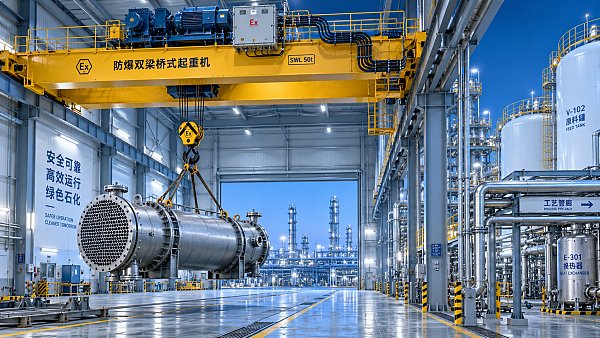
 Oct 06, 2026Selecting Petrochemical Overhead Cranes for Hazardous Areas and Heavy Process LoadsPetrochemical overhead cranes for hazardous areas: learn how to match capacity, duty, controls, corrosion protection, and maintenance access for safer, reliable lifts.
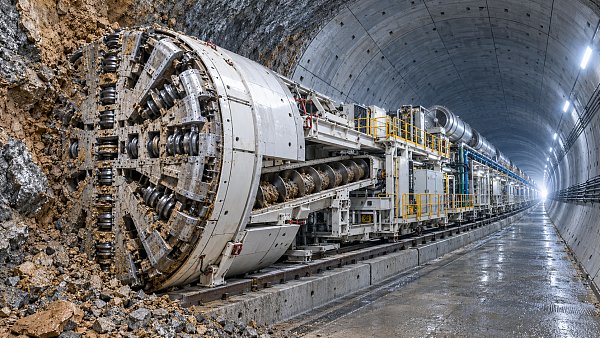
 Oct 05, 2026Tunneling Equipment Specification Planning: Key Criteria for Ground and Project RisksEquipment specification planning tunneling: learn how to match TBM systems to ground risks, geometry, safety, logistics, and lifecycle cost for more reliable project delivery.
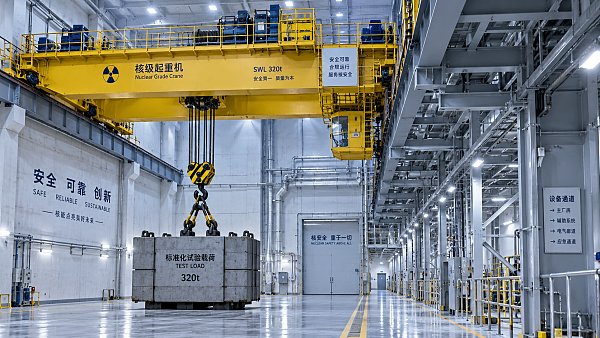
 Oct 04, 2026Nuclear Lifting Equipment Cost: Budgeting for Compliance, Testing, and Lifecycle RiskNuclear lifting equipment cost explained: budget for compliance, proof-load testing, installation, documentation, and lifecycle risk to make confident procurement decisions.
 Oct 03, 2026How to Assess TBM Manufacturers for Hard-Rock Tunneling Projects?Choose the right tunnel boring machine manufacturer for hard-rock projects. Explore key criteria for design, lifecycle cost, factory quality, and service support.
Ms. Elena Rodriguez
Weekly Insights
Stay ahead with our curated technology reports delivered every Monday.