
What heavy machinery intelligence really improves on site

What does heavy machinery intelligence actually change on site? It changes decisions before problems become delays. In practical terms, heavy machinery intelligence converts machine signals, operator inputs, maintenance history, geology, weather, and haul-cycle data into actions that improve uptime, safety, fuel use, and coordination. Across TBMs, ultra-large excavators, crawler cranes, road machinery, and mining dump trucks, the value is not abstract automation. The value is clearer judgment under pressure.
For infrastructure and resource projects, site performance rarely depends on equipment size alone. It depends on whether the machine, the ground, the method, and the schedule stay aligned. Heavy machinery intelligence helps that alignment hold. It reveals why a cutterhead slows, why a crane lift window narrows, why a truck fleet burns excess fuel, or why paving quality drifts. Better visibility leads to better interventions, and better interventions protect cost and delivery.
Why a checklist approach matters for heavy machinery intelligence
Heavy machinery intelligence often fails when teams treat it as a software layer instead of an operating discipline. A checklist keeps attention on decisions that affect field output. It also prevents expensive data collection that never changes workface behavior.
A structured review is especially useful in complex projects. Open-pit mining, tunneling, heavy lifting, and road construction all produce large data volumes. Yet not every signal deserves equal weight. The right checklist filters what improves site performance now and what should remain background monitoring.
Core checklist: what heavy machinery intelligence should improve first
- Map critical failure points before choosing dashboards. Start with stoppages, unsafe tasks, bottlenecks, and rework sources that repeatedly disturb output and schedule reliability.
- Connect machine data to site conditions. Engine load, hydraulic pressure, cutter wear, swing cycles, and haul times mean more when linked to geology, slope, weather, and traffic flow.
- Prioritize uptime signals that trigger action within one shift. Alerts should support maintenance, dispatch, or method changes, not generate passive reports nobody uses on site.
- Track operator and crew variability. Heavy machinery intelligence should show whether output differences come from skill, route choice, idle behavior, or changing ground resistance.
- Measure fuel or energy against production, not in isolation. Consumption only matters when compared with tons moved, meters bored, lifts completed, or lane-kilometers paved.
- Use predictive maintenance on components with real schedule impact. Focus on cutterheads, undercarriage wear, ropes, hydraulic systems, tires, bearings, and high-load structural points.
- Validate data quality at the source. Sensor drift, manual entry gaps, delayed uploads, and poor tag naming can distort heavy machinery intelligence and mislead field decisions.
- Tie alerts to response owners. Every threshold should have a defined action, time window, and accountable role so intelligence becomes execution, not background noise.
- Compare planned versus actual cycle logic daily. Intelligence is most useful when it reveals where sequence, spacing, handoff timing, or access constraints are breaking productivity.
- Review safety interactions, not only incidents. Near-miss patterns, blind-zone exposure, overload conditions, unstable ground readings, and weather-triggered pauses deserve the same attention as failures.
How heavy machinery intelligence works in different site scenarios
TBM and tunnel operations
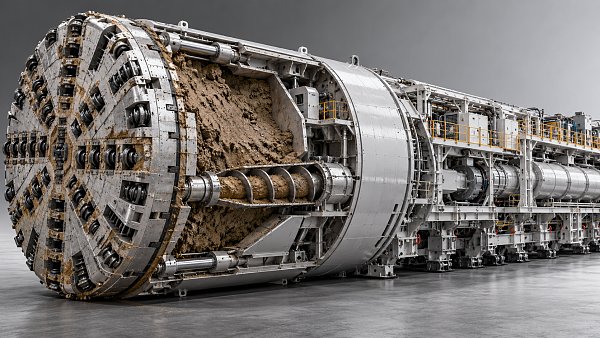
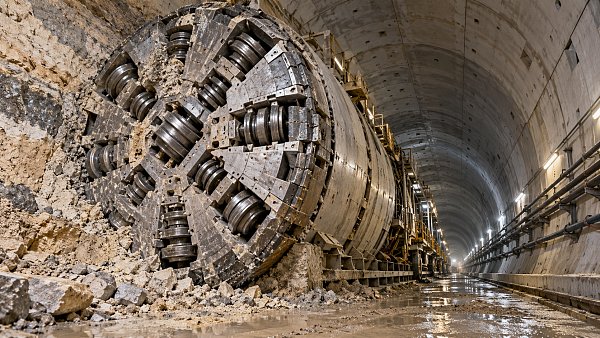
In tunneling, heavy machinery intelligence improves consistency more than headline speed. Penetration rate alone can mislead. Better insight comes from combining torque, thrust, cutterhead temperature, slurry or spoil behavior, and segment installation timing.
This reveals whether delay comes from geology transition, cutter wear, logistics interruption, or method mismatch. It also supports more accurate interventions, such as changing cutter inspection frequency, adjusting spoil handling, or rebalancing ring-build sequencing.
Open-pit mining with ultra-large excavators and dump trucks
In mining, heavy machinery intelligence improves fleet rhythm. Excavator loading rates, truck queue times, route gradients, tire temperatures, and idle duration show whether lost output comes from dispatch logic or digging conditions.
When linked to payload variance and fuel burn, the system can identify underloaded trips, avoidable waiting, or poor route discipline. The result is not just higher production. It is lower cost per ton and more stable equipment life.
Crawler crane lifting projects
For heavy lifts, heavy machinery intelligence helps control narrow tolerance windows. Wind speed, boom angle, ground bearing pressure, lift path timing, and component readiness must remain synchronized.
Real value appears when the system warns that a lift is drifting outside its safe execution envelope before the operation starts. That reduces standby cost, protects schedule windows, and limits rushed decisions under pressure.
Road machinery and paving operations
On paving jobs, heavy machinery intelligence improves uniformity. Temperature spread, paving speed, roller pass timing, material delivery gaps, and screed stability determine whether quality holds over distance.
Instead of only checking finished surface results, the site can intervene during execution. That reduces rework, supports compaction targets, and improves consistency across shifts and weather changes.
Commonly overlooked risks in heavy machinery intelligence
Mistaking visibility for control
A site may have excellent dashboards and still perform poorly. Heavy machinery intelligence only creates value when alerts change maintenance timing, dispatch patterns, method statements, or safety controls within a usable timeframe.
Ignoring context behind machine signals
The same hydraulic pressure spike can mean overload, ground variation, or normal operation in a different phase. Without operational context, intelligence can produce false urgency or hide a true emerging issue.
Collecting too many indicators
More data does not guarantee better judgment. When teams monitor dozens of weak indicators, they often miss the few leading signals that actually predict downtime, safety exposure, or production loss.
Separating maintenance from production planning
Predictive maintenance is often isolated from shift planning. That creates a gap between knowing a component is degrading and choosing the least disruptive intervention window. The result is avoidable unplanned stoppage.
Underestimating adoption on site
Heavy machinery intelligence depends on trust. If crews see alerts as vague, late, or disconnected from reality, they stop using them. Adoption improves when outputs are simple, relevant, and visibly tied to better outcomes.
Practical execution steps that make the system useful
- Start with one production constraint and one safety constraint. Build the heavy machinery intelligence workflow around them, then expand after measurable gains appear.
- Define a short list of intervention thresholds. Use only signals that support action during the same shift, maintenance window, or daily planning cycle.
- Align field terminology with data labels. Machine states, stoppage reasons, and work phases should match how the site already communicates operational issues.
- Run weekly exception reviews. Focus on the biggest deviations in uptime, cycle time, energy intensity, and safety exposure rather than reviewing every indicator equally.
- Benchmark by task condition, not fleet average alone. Compare similar haul routes, similar geology zones, or similar lift classes to avoid distorted conclusions.
What this means for long-term project performance
The deeper advantage of heavy machinery intelligence is strategic, not just operational. It creates a record of how machines behave under real site conditions, how methods perform under pressure, and where cost truly accumulates. Over time, that strengthens planning accuracy, equipment selection, maintenance strategy, and delivery confidence.
For a platform such as TF-Strategy, this is where intelligence becomes decisive. The most useful insight is not generic digitalization language. It is the stitching together of machine physics, field methodology, and infrastructure strategy so that every operational choice is better informed.
Conclusion and next action
Heavy machinery intelligence really improves on-site performance when it sharpens execution at the point of risk, delay, and cost. It should help explain why output shifts, why equipment health changes, and what action will recover control fastest.
The next step is simple: review one active operation, identify three repeat losses, and test whether current heavy machinery intelligence can trigger action early enough to prevent them. If it cannot, the issue is not lack of data. It is lack of decision design.
Related News
 Oct 24, 2026Choosing Lifting Equipment for Middle East Petrochemical Plants in Hazardous AreasExplore petrochemical lifting equipment Middle East plants can rely on. Compare hazardous-area certification, capacity, and heat limits to make informed procurement decisions.
 Oct 23, 2026Selecting Lifting Equipment for Nuclear Component Transport: Key Safety CriteriaSelecting lifting machinery for nuclear component transport? Discover essential safety criteria, load control checks, and supplier requirements to guide confident procurement.
 Oct 22, 2026Tunnel Boring Machines in Southeast Asia: EPB vs. Slurry for Soft GroundCompare tunnel boring machines Southeast Asia projects rely on: EPB vs. slurry for soft ground. Discover how groundwater, settlement risks, and spoil handling shape the right choice.
 Oct 21, 2026Choosing Tunneling Equipment for the Middle East: Rock, Soil, and GroundwaterCompare underground tunneling equipment Middle East projects need. Explore rock, soil, groundwater, and TBM options to reduce risk and make confident procurement decisions.


Ms. Elena Rodriguez
Weekly Insights
Stay ahead with our curated technology reports delivered every Monday.