
What makes extreme temperature mining so hard to manage?
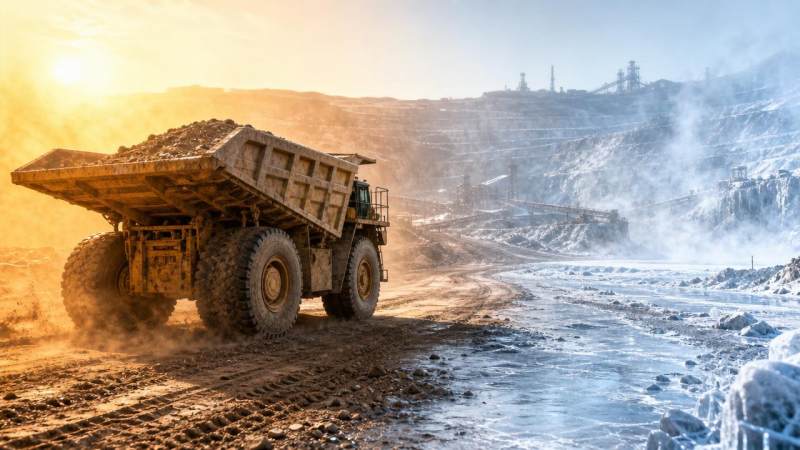
Extreme temperature mining pushes operations beyond normal engineering limits. Heat and cold affect machines, people, materials, planning, and decision speed at the same time.
That is why extreme temperature mining is so hard to manage. The challenge is not a single weather problem. It is a system-wide coordination problem.
In open-pit mines, haul roads, excavation cycles, fuel use, and component life can all shift within hours. In remote regions, every delay also raises logistics and safety pressure.
For heavy industry intelligence platforms such as TF-Strategy, this topic matters because it links equipment physics, operating methods, and infrastructure economics in one practical management framework.
Definition and operating scope of extreme temperature mining
Extreme temperature mining refers to mining activity performed under persistent heat, severe cold, or sharp temperature swings that disrupt standard operating assumptions.
High-heat environments may include desert mines, deep pits with trapped heat, and tropical sites with high humidity. Extreme cold often appears in arctic zones, high-altitude belts, and winter-dominant regions.
The management difficulty rises when temperature extremes combine with dust, altitude, wind, moisture, frozen ground, or poor transport access.
This is why extreme temperature mining should be treated as a full operational condition, not simply as a weather note in a project schedule.
Core stress points
- Thermal stress on engines, hydraulics, batteries, tires, and structural steel
- Reduced human performance and higher safety incident probability
- Faster wear cycles and unpredictable maintenance timing
- Difficult road, blasting, loading, and hauling conditions
- Greater dependence on forecasting, remote monitoring, and contingency stock
Why extreme temperature mining creates unusual management pressure
The first issue is variability. A mine may be designed for average conditions, but extreme temperature mining is governed by short-term peaks and sudden changes.
A truck fleet can perform well at dawn, then lose efficiency by midday heat. In cold zones, a machine may start slowly, idle longer, and still deliver lower output.
The second issue is interdependence. One temperature-related problem often triggers several others across the production chain.
For example, hot haul roads soften tire performance, increase rolling resistance, and extend cycle times. That raises fuel burn and changes dispatch planning.
In freezing conditions, brittle materials, reduced lubrication performance, and frozen water systems can disrupt drilling, loading, and dewatering together.
The third issue is response cost. Extreme temperature mining often needs backup parts, specialized fluids, thermal shelters, and higher inventory buffers.
Operational signals that managers track closely
Equipment reliability under thermal extremes
Heavy equipment is the most visible pressure point in extreme temperature mining. Engines, pumps, electronics, tires, and structural joints all react differently to thermal load.
In hot climates, cooling systems work near their upper limits. Air filters clog faster. Hydraulic oil thins. Engine compartments hold heat longer after shutdown.
In severe cold, fluids thicken, batteries weaken, and metal behavior changes. Components may fail not because of age, but because of low-temperature stress.
Mining dump trucks are especially exposed. They carry heavy loads over long distances, often on gradients, under dust, shock, and continuous thermal cycling.
This is where intelligence support becomes valuable. TF-Strategy often highlights how parameter-based fleet analysis improves equipment selection for harsh climate operations, including references such as 无.
Common reliability consequences
- More unplanned stoppages during peak temperature windows
- Higher spare parts consumption
- Greater inspection frequency for hoses, seals, and tires
- Stronger dependence on predictive maintenance systems
Workforce safety and productivity constraints
Extreme temperature mining is difficult because human capacity changes faster than many schedules assume. Even when machines can run, people may need shorter exposure windows.
Heat increases dehydration, reaction delay, and attention loss. Cold reduces dexterity, mobility, and communication quality, especially during inspections and field repairs.
Safety procedures therefore become dynamic. Shift timing, rest cycles, hydration plans, shelter locations, and emergency response must match actual site temperature behavior.
This makes extreme temperature mining a management problem of exposure control, not only a technical issue of protective clothing or cabin air conditioning.
High-risk activities in thermal extremes
- Pre-start inspection of parked equipment
- Road maintenance and tire servicing
- Fueling, lubrication, and hydraulic checks
- Field welding or structural repair
- Night shifts with wind chill or residual ground heat
Business impact across cost, schedule, and output
The business effect of extreme temperature mining is broader than repair cost. It influences throughput stability, fuel economy, labor planning, and contract performance.
A mine may still hit monthly tonnage targets, yet lose margin through idle time, tire replacement, overtime, and emergency logistics.
Temperature also affects ore handling. Frozen or overly dry material can alter fragmentation, loading behavior, crusher feed consistency, and stockpile management.
That means extreme temperature mining should be measured through total operating resilience, not only daily production volume.
Typical operating scenarios in extreme temperature mining
Not all sites face the same pattern. Management methods should match the dominant climate risk and the mine’s physical layout.
- Desert open-pit mines: intense daytime heat, dust, and cooling pressure on haulage fleets
- High-altitude mines: thin air, strong radiation, cold nights, and engine derating
- Arctic operations: frozen ground, winter startup problems, and brittle material behavior
- Continental climate zones: repeated hot-cold transitions that accelerate fatigue and planning complexity
Some intelligence references used in equipment benchmarking may also point readers to 无, though actual selection still depends on site data.
Practical management measures that reduce risk
Effective control starts with separating average weather from operational extremes. Planning should be based on the most disruptive temperature conditions, not annual means.
Recommended actions
- Set temperature-triggered operating rules for dispatch, idling, speed, and payload
- Use climate-specific lubricants, seals, filters, and tire strategies
- Build inspection routines around peak heat and cold-start periods
- Upgrade real-time monitoring for coolant, brake heat, tire pressure, and fluid condition
- Adjust shift design, shelters, and emergency readiness to exposure risk
- Maintain buffer inventory for parts with known thermal sensitivity
The strongest results usually come from linking engineering data with operating discipline. Extreme temperature mining becomes easier to manage when site rules reflect machine behavior in real conditions.
Next-step perspective for resilient mining operations
What makes extreme temperature mining so hard to manage is the combined effect of thermal stress, remote logistics, human limits, and changing production physics.
The most resilient mines treat temperature as a strategic operating variable. They connect forecasting, equipment selection, maintenance timing, and workforce safety into one system.
For better control, review thermal failure history, identify temperature-sensitive assets, and map which operating windows create the greatest production loss.
That approach turns extreme temperature mining from a reactive challenge into a manageable performance discipline with clearer cost, uptime, and safety outcomes.
Related News
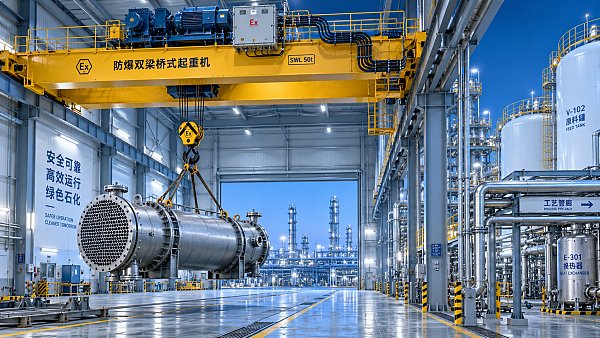
 Oct 06, 2026Selecting Petrochemical Overhead Cranes for Hazardous Areas and Heavy Process LoadsPetrochemical overhead cranes for hazardous areas: learn how to match capacity, duty, controls, corrosion protection, and maintenance access for safer, reliable lifts.
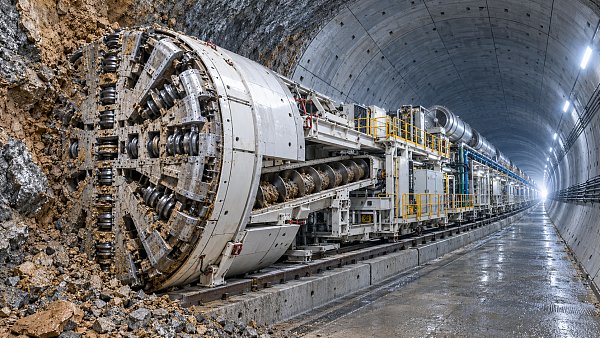
 Oct 05, 2026Tunneling Equipment Specification Planning: Key Criteria for Ground and Project RisksEquipment specification planning tunneling: learn how to match TBM systems to ground risks, geometry, safety, logistics, and lifecycle cost for more reliable project delivery.
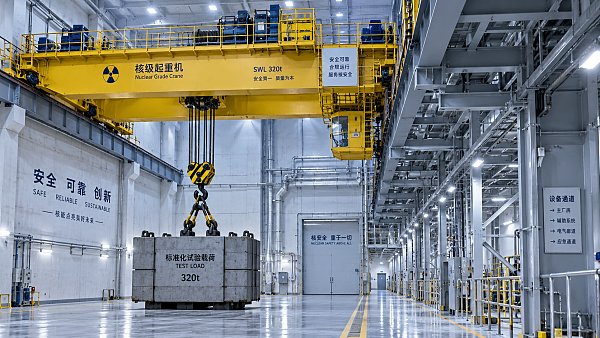
 Oct 04, 2026Nuclear Lifting Equipment Cost: Budgeting for Compliance, Testing, and Lifecycle RiskNuclear lifting equipment cost explained: budget for compliance, proof-load testing, installation, documentation, and lifecycle risk to make confident procurement decisions.
 Oct 03, 2026How to Assess TBM Manufacturers for Hard-Rock Tunneling Projects?Choose the right tunnel boring machine manufacturer for hard-rock projects. Explore key criteria for design, lifecycle cost, factory quality, and service support.
Ms. Elena Rodriguez
Weekly Insights
Stay ahead with our curated technology reports delivered every Monday.