
Which underground construction methods work best in soft ground?
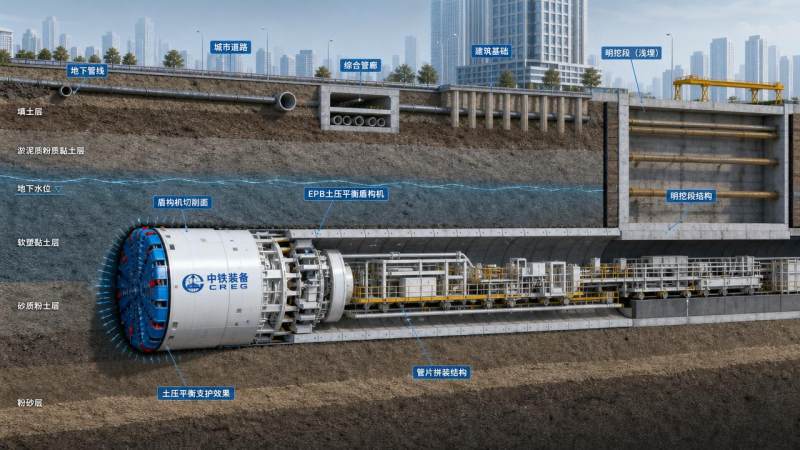
Choosing the right underground construction methods in soft ground often decides project success. Weak soils can deform easily, admit water, and transfer risk to nearby utilities, roads, and buildings.
That is why engineers compare settlement control, groundwater behavior, equipment fit, and schedule resilience before selecting a method. In strategic infrastructure analysis, method selection also shapes cost certainty and asset life.
This guide explains which underground construction methods work best in soft ground, when each method is suitable, and what factors matter most in real projects.
What makes soft ground difficult for underground construction methods?
Soft ground usually includes clay, silt, loose sand, peat, fill, or mixed alluvium. These materials have low strength, high compressibility, or unstable water response.
The challenge is not only excavation. The real issue is ground-structure interaction during tunneling, temporary support, and long-term service.
Typical problems include surface settlement, face instability, base heave, running sand, and water inflow. In dense cities, even small movement can trigger claims and delays.
Therefore, underground construction methods in soft ground must control deformation from the first meter. They also need reliable monitoring, staged support, and adaptable equipment.
Key soft-ground decision factors
- Soil strength, stiffness, and layering
- Groundwater pressure and permeability
- Tunnel depth and section size
- Nearby buildings, utilities, and transport lines
- Access constraints and working space
- Schedule, environmental limits, and cost risk
Which underground construction methods usually perform best in soft ground?
There is no single best answer. The strongest underground construction methods are those matched to geology, alignment, and urban sensitivity.
Still, several approaches are consistently effective in soft ground when designed and operated well.
1. Earth Pressure Balance TBM
EPB tunneling is often preferred in soft clay, silt, and mixed soils with limited permeability. It balances the tunnel face using conditioned spoil inside the excavation chamber.
This makes EPB one of the most reliable underground construction methods for urban metro and utility tunnels. Settlement control is usually good when pressure and conditioning are stable.
2. Slurry TBM
Slurry shields perform well in loose sand, water-bearing strata, and high groundwater pressure. Bentonite slurry supports the face and transports excavated material.
Among underground construction methods, slurry TBM is especially strong for river crossings, coastal zones, and large-diameter drives with difficult hydrogeology.
3. Cut-and-cover
Cut-and-cover can be efficient for shallow tunnels or stations. It allows direct access, simple geometry control, and easier integration of waterproofing and structural works.
However, it disrupts surface traffic and requires robust retaining walls and dewatering or bottom sealing. In crowded corridors, this method may be politically harder to deliver.
4. Sequential Excavation Method
SEM or NATM can work in soft ground, but usually with strong pre-support and tight control. It is better for complex shapes, short lengths, or transition sections.
Compared with shield tunneling, it is more sensitive to workmanship and monitoring discipline. It is rarely the first choice for very weak, saturated soils in dense cities.
5. Pipe jacking and microtunneling
These underground construction methods are highly useful for smaller crossings beneath roads, railways, and utilities. They minimize surface disruption and support good line control.
In soft ground, performance depends on jacking force management, lubrication, and face support. For short urban crossings, they can outperform larger systems economically.
How do EPB TBM, slurry TBM, and cut-and-cover compare in soft ground?
These three underground construction methods are commonly evaluated first. Their strengths differ by groundwater conditions, depth, and urban constraints.
If the route is deep and urban, EPB often leads. If groundwater is aggressive and sand is loose, slurry TBM becomes more attractive.
If the structure is shallow and space is available, cut-and-cover can reduce complexity. Yet social disruption costs must be included, not only direct construction cost.
When do ground improvement and support systems become essential?
In soft ground, underground construction methods rarely succeed by excavation choice alone. Ground improvement often determines whether the selected method will actually perform safely.
Common support measures
- Jet grouting for local strengthening and seepage reduction
- Deep soil mixing for shafts, portals, and base stability
- Ground freezing for short critical zones
- Dewatering where settlement risk is acceptable
- Secant piles, diaphragm walls, and struts for excavation support
- Compensation grouting near sensitive structures
For example, SEM in soft ground may require forepoling, spiles, pipe umbrellas, and immediate shotcrete closure. Without that pre-support, deformation risk rises sharply.
Likewise, cut-and-cover in soft saturated soils may depend on diaphragm walls and underwater concrete plugs. The excavation method and the support concept must be evaluated together.
How should projects choose the best underground construction methods?
Selection should be evidence-based. The most effective underground construction methods are identified through risk allocation, not by habit or initial equipment preference.
A practical selection sequence
- Define ground profile, water conditions, and variability.
- Map all third-party sensitivity zones.
- Set movement limits for structures and utilities.
- Compare feasible underground construction methods.
- Test temporary works, shaft needs, and logistics.
- Model schedule risk, spoil handling, and utility impacts.
- Choose monitoring, contingency, and intervention plans.
This process improves decision quality because the cheapest bid method is not always the lowest total cost. Repair claims and lost time can erase early savings quickly.
What are the biggest mistakes when applying underground construction methods in soft ground?
One common mistake is treating soft ground as uniform. Small changes in sand lenses, organic layers, or fill can change machine behavior and settlement response.
Another mistake is underestimating groundwater. Many underground construction methods fail operationally when inflow control, conditioning, or sealing details are weak.
A third mistake is separating permanent design from temporary works. In soft ground, shaft walls, launch chambers, grouting, and dewatering are mission-critical systems.
Finally, some teams rely on method labels rather than performance data. The real benchmark is movement control, production stability, and recovery capacity during anomalies.
Soft-ground risk reminders
- Do not choose dewatering casually near settlement-sensitive assets.
- Do not ignore spoil conditioning tests for EPB drives.
- Do not assume cut-and-cover is cheaper after traffic impacts.
- Do not use SEM without rapid support closure plans.
Which underground construction methods offer the best balance of cost, speed, and safety?
For many metro tunnels in soft urban soils, EPB offers the best overall balance. It combines good settlement control with repeatable production and manageable support systems.
For high-water-pressure sands, slurry TBM often delivers the safest operational envelope. Its plant complexity is higher, but the risk reduction can justify the expense.
For shallow sections and stations, cut-and-cover may still be the fastest path if staging space exists. Where access is poor, indirect social and traffic costs can dominate.
In short, the best underground construction methods in soft ground are context-driven. Method choice should align geology, monitoring capability, support systems, and lifecycle risk.
At a strategic level, this is why infrastructure intelligence matters. Sound method selection links ground conditions, machinery performance, and project economics into one decision framework.
If evaluating upcoming tunnel or underground projects, start with a method comparison matrix, geotechnical uncertainty review, and settlement risk map. That next step makes underground construction methods easier to judge with confidence.
Related News
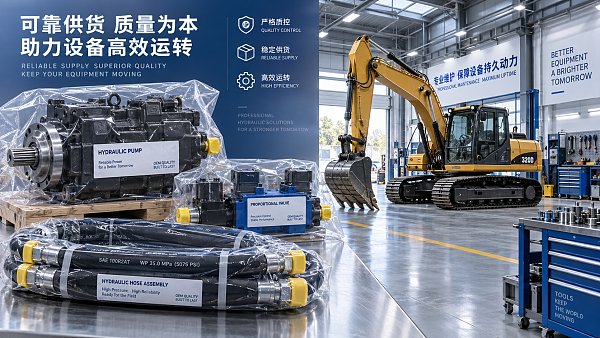
 Oct 07, 2026How to Evaluate a Hydraulic System Component Supplier for Heavy Equipment UptimeChoose a hydraulic system component supplier with proven quality, technical fit, and reliable delivery to reduce heavy equipment downtime and lifecycle costs.
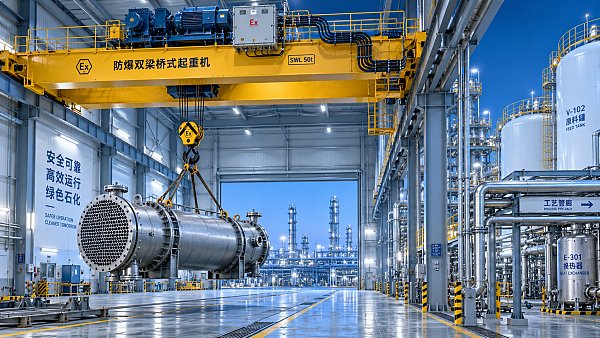
 Oct 06, 2026Selecting Petrochemical Overhead Cranes for Hazardous Areas and Heavy Process LoadsPetrochemical overhead cranes for hazardous areas: learn how to match capacity, duty, controls, corrosion protection, and maintenance access for safer, reliable lifts.
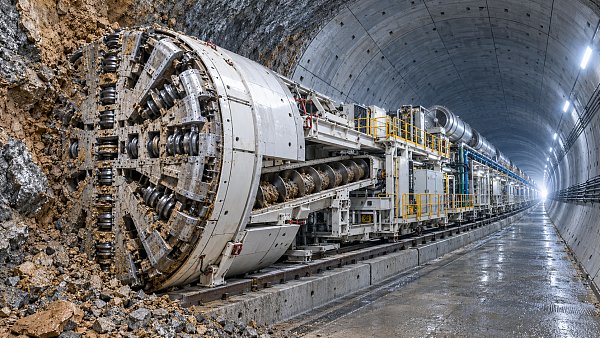
 Oct 05, 2026Tunneling Equipment Specification Planning: Key Criteria for Ground and Project RisksEquipment specification planning tunneling: learn how to match TBM systems to ground risks, geometry, safety, logistics, and lifecycle cost for more reliable project delivery.
 Oct 04, 2026Nuclear Lifting Equipment Cost: Budgeting for Compliance, Testing, and Lifecycle RiskNuclear lifting equipment cost explained: budget for compliance, proof-load testing, installation, documentation, and lifecycle risk to make confident procurement decisions.
Ms. Elena Rodriguez
Weekly Insights
Stay ahead with our curated technology reports delivered every Monday.