
Why earth engineering costs vary by soil risk
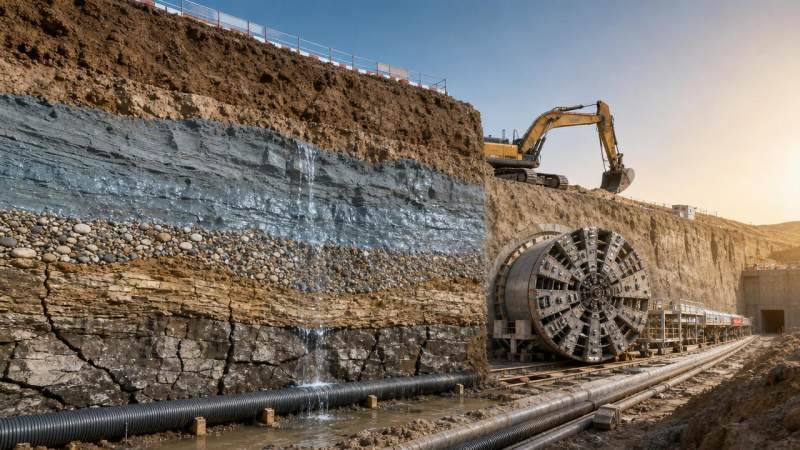
In earth engineering, soil risk is often the hidden variable behind budget overruns, equipment delays, and shifting project margins.
For business evaluators, ground conditions influence excavation methods, TBM performance, dewatering needs, haulage efficiency, and contingency planning before capital approval.
From soft clay and fractured rock to high groundwater pressure, each soil profile reshapes cost exposure and strategic decision-making.
Why Soil Risk Controls Earth Engineering Costs
Soil risk is not a single technical note. It is a cost driver that touches design, machinery, logistics, safety, and schedule certainty.
In earth engineering, a weak ground assumption can distort equipment selection, tender pricing, fuel demand, support works, and contractor productivity.
A checklist approach reduces uncertainty. It converts subsurface information into practical decisions before excavation, tunneling, lifting, or haulage begins.
This matters across tunnels, open-pit mines, road corridors, ports, energy projects, and large industrial foundations.
Core Earth Engineering Soil Risk Checklist
Use this checklist early, then revisit it at each design, procurement, and construction gate.
- Verify borehole density against alignment length, excavation depth, and geological variability before accepting any earth engineering cost baseline.
- Map soil layers, weathered zones, boulders, faults, and weak seams to identify where production rates may decline sharply.
- Classify soil strength, abrasiveness, permeability, and plasticity, then link each parameter to equipment choice and support demand.
- Quantify groundwater level, artesian pressure, recharge risk, and inflow paths before estimating pumps, wells, grout, or cutoff systems.
- Test contamination, sulfate exposure, salinity, and corrosive chemistry, because disposal routes and material protection can alter budgets.
- Compare laboratory values with field observations, since sample disturbance can understate soft soil deformation and settlement potential.
- Estimate cuttability, rippability, and blastability before selecting excavators, roadheaders, TBMs, breakers, or drilling fleets.
- Define spoil behavior during loading, transport, stockpiling, and reuse, as wet clay and swelling rock slow haulage cycles.
- Assess slope stability, bench height, berm width, and rainfall sensitivity before finalizing open-pit or trench excavation plans.
- Model settlement around buildings, utilities, railways, and roads, especially when earth engineering works cross dense urban corridors.
- Set trigger values for instrumentation, including pore pressure, surface movement, lining stress, and slope displacement during execution.
- Reserve contingency by risk category, not by a flat percentage, so high-risk ground receives realistic financial coverage.
How Soil Type Changes Earth Engineering Methods
Soft Clay and Compressible Ground
Soft clay raises earth engineering costs through slow excavation, low bearing capacity, settlement control, and temporary working platform requirements.
The budget may need preloading, vertical drains, soil mixing, geotextiles, staged excavation, or lighter machinery with lower ground pressure.
Sand, Gravel, and High Permeability Soils
Permeable soils often shift the cost center from digging to water control. Dewatering design becomes a production-critical item.
In earth engineering, uncontrolled seepage can collapse trenches, flood shafts, reduce TBM face stability, and damage haul roads.
Fractured Rock and Mixed Face Conditions
Fractured rock creates uncertain advance rates. It may require support bolts, shotcrete, probe drilling, grouting, or controlled blasting.
Mixed ground is especially costly for TBMs. Cutter wear, torque fluctuation, settlement risk, and intervention frequency can rise together.
Swelling, Collapsible, or Chemically Aggressive Soils
Problem soils can damage slabs, linings, pavements, and buried structures after handover, not only during construction.
Durable earth engineering planning must include stabilization, drainage, sulfate-resistant materials, protective coatings, or replacement layers where justified.
Cost Impacts Across Major Application Scenarios
Tunnel Boring and Underground Works
For TBM projects, soil risk shapes machine type, cutterhead design, segment lining, slurry treatment, and face pressure control.
A small geological mismatch can cause major earth engineering losses through interventions, stoppages, cutter replacement, and settlement claims.
Evaluate earth pressure balance, slurry, hard rock, or convertible TBM options against verified ground behavior, not only headline geology.
Open-Pit Mining and Bulk Excavation
In open-pit mining, soil and rock conditions determine drilling patterns, blasting energy, excavator bucket wear, and dump truck cycle time.
Weak benches demand flatter slopes or additional berms. That increases stripping ratios and changes the economics of earth engineering operations.
Roads, Highways, and Pavement Platforms
Road projects are highly sensitive to subgrade quality. Poor soils increase undercutting, stabilization, drainage, compaction, and aggregate demand.
Earth engineering cost evaluation should compare full replacement, lime or cement treatment, geogrid reinforcement, and staged construction options.
Heavy Lifting Foundations and Industrial Sites
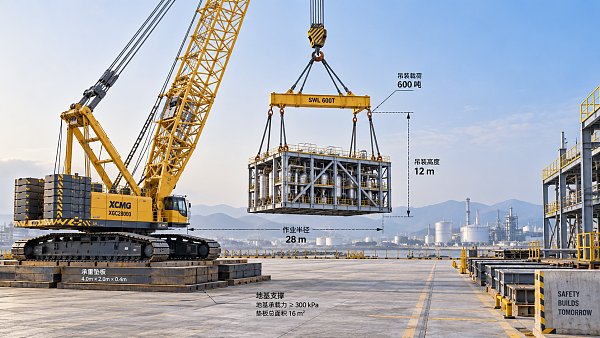
Crawler cranes, wind components, petrochemical modules, and nuclear units require reliable bearing platforms before lifting starts.
If soil risk is underestimated, crane mats, piling, load tests, and ground improvement may become urgent unplanned expenditures.
Commonly Ignored Risk Items
Groundwater Is Treated as a Pumping Detail
Groundwater is often priced too late. In earth engineering, it can govern design, productivity, environmental permits, and neighbor impacts.
Assess drawdown influence, recharge sources, treatment requirements, discharge limits, and long-term monitoring before construction sequencing is locked.
Spoil Is Assumed to Be Reusable
Excavated material may look valuable in design reports but behave poorly on site. Moisture, contamination, and gradation matter.
Confirm reuse rules through testing. Otherwise, earth engineering budgets may absorb hauling, treatment, landfill, and imported fill costs.
Equipment Productivity Is Based on Ideal Ground
Fleet calculations often assume stable benches, dry haul roads, consistent cutting, and predictable loading cycles.
Add productivity bands for wet ground, abrasive layers, boulders, squeezing ground, and maintenance downtime.
Interfaces Are Not Priced Clearly
Soil risk crosses contract boundaries. Designers, civil contractors, mining operators, TBM suppliers, and lifting teams may hold partial responsibility.
Define who owns redesign, standby time, additional investigation, ground treatment, and claims linked to unexpected earth engineering conditions.
Practical Execution Guidance for Cost Control
Cost control starts before the main contract. Use ground intelligence as a commercial tool, not only a technical appendix.
- Build a geotechnical risk register with probability, consequence, owner, mitigation action, and budget allowance for each major soil hazard.
- Link each soil risk to a construction method, equipment configuration, production rate, and measurable early warning indicator.
- Use scenario pricing for base case, adverse case, and severe case instead of one deterministic earth engineering estimate.
- Require tenderers to explain assumptions for dewatering, ground support, spoil handling, access roads, and standby time.
- Schedule confirmatory investigation before ordering specialized machinery, especially TBMs, large excavators, crushers, pumps, or cranes.
- Update the cost model after trial pits, pilot bores, probe drilling, initial excavation, and instrumentation readings.
Decision Metrics That Make Soil Risk Visible
A practical earth engineering dashboard should translate geology into numbers that guide investment, procurement, and field control.
Summary and Next Steps
Earth engineering costs vary because soil risk changes how work is designed, sequenced, equipped, protected, and verified.
The highest-risk projects rarely fail from one unknown layer. They fail when several small assumptions remain unpriced.
Start with a disciplined checklist, connect each soil condition to machinery and method, then price realistic scenarios.
Before approving any major earth engineering budget, request updated ground data, a risk register, scenario estimates, and clear contract ownership.
That approach turns hidden ground uncertainty into manageable engineering intelligence, stronger tenders, and more reliable project margins.
Related News
 Oct 17, 2026Tunnel Boring Machine Supplier List: Compare TBM Types and Service CoverageExplore our tunnel boring machinery supplier list to compare EPB, slurry and hard rock TBMs, assess service coverage and lifecycle costs, and build a smarter procurement shortlist.
 Oct 16, 2026Heavy-Duty Petrochemical Lifting: Selecting Cranes by Load, Radius, and Site AccessExplore heavy-duty petrochemical lifting solutions. Compare cranes by load, radius, site access, and ground support to reduce project risk and optimize lifting costs.
 Oct 15, 2026Crane Selection for Petrochemical Turnarounds: Capacity, Radius, and Site AccessExplore petrochemical lifting solutions cranes can deliver, with expert guidance on capacity, working radius, and site access to help you plan a safer, more efficient turnaround.
 Oct 14, 2026High-Capacity Heavy Lifting Solutions: Matching Load, Radius, and Ground ConditionsDiscover heavy lifting solutions high capacity projects demand—compare load charts, working radius, and ground conditions to select a feasible, cost-effective system.
Ms. Elena Rodriguez
Weekly Insights
Stay ahead with our curated technology reports delivered every Monday.