
Open Pit Mining Dewatering Systems: Which Method Fits High Inflow and Deep Pit Conditions?
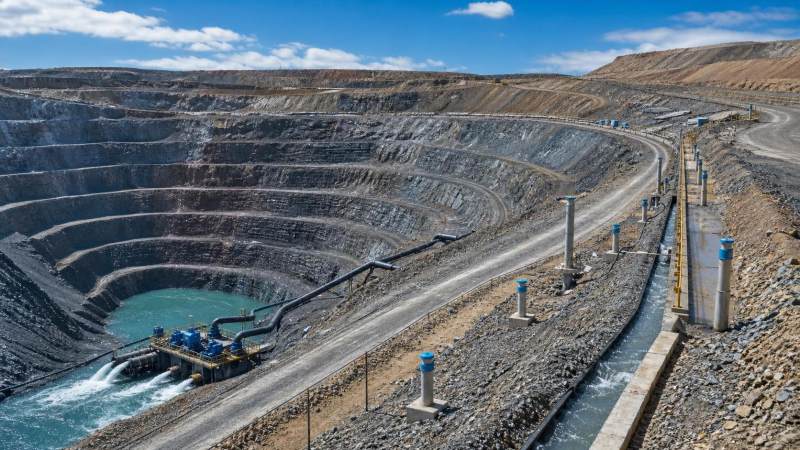
Open Pit Mining Dewatering Systems: Which Method Fits High Inflow and Deep Pit Conditions?
In deep and high-inflow mine environments, choosing the right open pit mining dewatering systems can determine slope stability, equipment uptime, and overall project economics.
The real issue is not water removal alone.
It is selecting a method that matches pit depth, hydrogeology, stripping pace, and production pressure without creating new operational risks.
Why high inflow changes the dewatering decision
High inflow can come from fractured rock, perched aquifers, seasonal recharge, or nearby water bodies.
Once the pit gets deeper, water pressure starts affecting both safety and mine productivity.
Haul roads soften faster.
Slope depressurization becomes more urgent.
Drilling, blasting, loading, and truck movement all lose efficiency when open pit mining dewatering systems are undersized or poorly staged.
This is why many projects fail when they treat dewatering as a pump purchase instead of a mine planning function.
The better approach links water balance, slope design, and production sequencing from the start.
The main open pit mining dewatering systems in use
Most mines rely on a combination of methods rather than one standalone solution.
The choice depends on whether the goal is interception, depressurization, in-pit removal, or all three.
1. Sump pumping
Sump pumping is the most visible part of open pit mining dewatering systems.
Water is collected in benches, drains, or pit-bottom sumps and pumped out.
It is flexible, fast to deploy, and useful during active mining.
However, it does not reduce pore pressure ahead of excavation, so it cannot solve slope instability alone.
2. Peripheral well dewatering
Perimeter wells lower the groundwater table before water reaches the working pit.
This method fits deep pits with laterally extensive aquifers and sustained inflow.
It usually offers better long-term control, but it needs hydrogeological confidence, lead time, and ongoing monitoring.
3. Horizontal drains and depressurization holes
These are used to relieve water pressure within pit walls.
They are especially valuable where slope performance matters more than bulk water removal.
In fractured benches, they can significantly improve geotechnical conditions at moderate cost.
4. Wellpoints and eductor systems
These methods work best in shallow excavations or permeable near-surface zones.
For deep open pits with high inflow, they are usually supplementary rather than primary open pit mining dewatering systems.
5. Cutoff and diversion measures
Surface diversion channels, interception trenches, and local barriers reduce clean water entry.
They are not enough by themselves, but they often improve the performance of every other method.
Which method fits deep pit and high inflow conditions?
In most demanding cases, the answer is a staged hybrid system.
Deep pits with high recharge rarely perform well with sump pumping alone.
The preferred structure combines external drawdown, slope depressurization, and in-pit pumping redundancy.
Best-fit configuration for severe conditions
- Perimeter dewatering wells for regional groundwater control.
- Horizontal drains for slope pressure relief in critical sectors.
- Bench drains and lined channels for runoff management.
- High-capacity sump pumping for residual inflow and storm peaks.
- Backup power and spare pump capacity for failure resilience.
This setup costs more upfront, yet it usually lowers total risk and operating disruption.
For projects with aggressive production schedules, that trade-off is often economically justified.
Key decision factors before selecting open pit mining dewatering systems
Method selection should be driven by measurable site data, not preference or equipment familiarity.
Hydrogeological structure
Ask whether water is moving through porous media, major fractures, faults, or mixed pathways.
A wrong conceptual model can make even well-funded open pit mining dewatering systems underperform.
Pit depth and mining sequence
A deeper final shell usually demands dewatering that starts well before the lowest benches are opened.
If mine advance is rapid, the system must scale without repeated redesign.
Slope sensitivity
Some pits can tolerate water accumulation better than others.
Where weak interbeds or faulted walls exist, depressurization moves from optional to essential.
Energy and maintenance profile
High-lift pumping increases power demand and wear rates.
The best open pit mining dewatering systems are not always the cheapest to install, but they are manageable over the mine life.
Common mistakes that raise risk and cost
Several recurring mistakes show up in difficult mine water projects.
- Sizing pumps for average inflow instead of peak inflow.
- Ignoring wet-season recharge and extreme rainfall events.
- Using sump pumping as the only control in deep pits.
- Separating geotechnical and hydrogeological decisions.
- Underestimating downtime from abrasive water and solids handling.
These errors usually appear manageable at first.
Later, they show up as wall movement, flooded ramps, emergency pumping, and lost production windows.
A practical selection framework
A workable decision path keeps the selection process grounded and comparable.
- Build a site water balance using dry, average, and wet scenarios.
- Define the target drawdown needed for slope and operations.
- Test likely well yields and hydraulic response early.
- Match pumping stages to pit expansion and bench access.
- Add contingency for power failure, storm events, and maintenance outages.
This framework makes open pit mining dewatering systems easier to justify technically and commercially.
It also supports clearer contractor scopes, procurement timing, and performance tracking.
Why system intelligence matters now
From a broader heavy industry perspective, dewatering is becoming more data-driven and more strategic.
That shift is visible across global open-pit mine development.
Projects now expect tighter coordination between pumping assets, geotechnical monitoring, and mine scheduling intelligence.
For organizations tracking heavy equipment and infrastructure strategy, this is more than an operational detail.
It reflects how physical parameters, construction methods, and delivery economics are increasingly linked.
Conclusion
For deep pits with high inflow, the best open pit mining dewatering systems are usually hybrid, staged, and heavily monitored.
Sump pumps remain necessary, but they should rarely stand alone.
Perimeter wells, slope drains, and surface diversion often deliver the stability and uptime that deep mining requires.
The strongest results usually come from early hydrogeological modeling, phased deployment, and realistic peak-event design.
When open pit mining dewatering systems are selected this way, water control becomes a production enabler rather than a recurring emergency.
Related News
 Oct 02, 2026How to Evaluate Heavy Equipment Technology Suppliers for Fleet Uptime and SupportHeavy equipment technology suppliers can make or break fleet uptime. Learn how to assess diagnostics, data access, parts, service coverage, and support terms before you buy.
 Oct 01, 2026How to Use Technical References to Benchmark Industrial Equipment PricesIndustrial equipment technical reference pricing: learn how to normalize specifications, scope, service life, and operating costs to benchmark quotes accurately and choose the best-value equipment.
 Sep 30, 2026What Does an Ultra-Large Excavator Really Cost Over Its Service Life?Ultra-large excavators cost far more than purchase price. Explore lifecycle expenses, uptime risks, energy use, maintenance, and cost-per-tonne insights.
 Sep 29, 2026Infrastructure Construction Standards: A Project Manager’s Guide to ComplianceInfrastructure construction standards guide for project managers: turn requirements into field controls, hold points, traceability, and compliant delivery.
Geological Boring Fellow
Weekly Insights
Stay ahead with our curated technology reports delivered every Monday.