
How to Evaluate Lifting Machinery Manufacturers for Capacity, Certification, and Lead Time
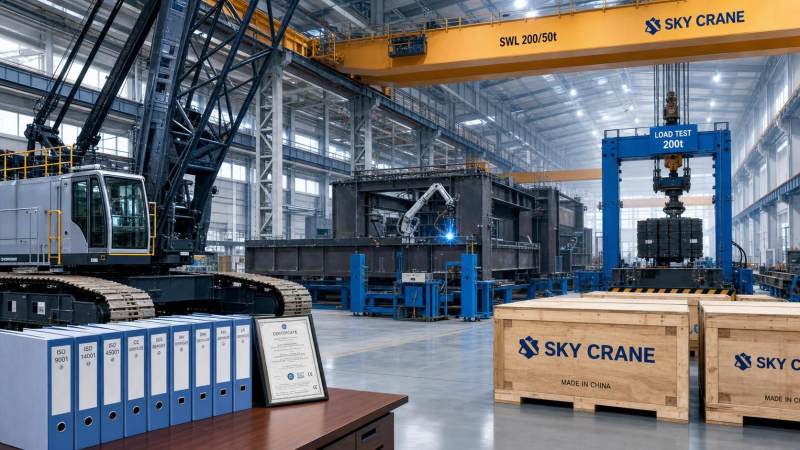
How to Evaluate Lifting Machinery Manufacturers for Capacity, Certification, and Lead Time
Selecting the right lifting machinery manufacturers can determine whether a project stays on schedule, meets compliance standards, and controls lifecycle costs.
For procurement decisions, capacity, certification, and lead time are not simple checkboxes. They shape project risk, installation timing, operating safety, and long-term asset value.
In heavy industry, those pressures are becoming more visible. Wind, petrochemical, mining, tunneling, and transport projects now demand tighter delivery windows and stronger compliance records.
That means evaluating lifting machinery manufacturers requires more than comparing quotes. It requires a structured view of production strength, documentation quality, and delivery discipline.
This guide breaks down how to assess suppliers with practical criteria, helping buying teams make better decisions with fewer surprises during execution.
Why Capacity, Certification, and Lead Time Matter Together
Many buyers review these factors separately. In practice, they are tightly linked.
A supplier may offer excellent lifting charts and attractive pricing, yet still fail if factory capacity is overloaded or certification is incomplete for the destination market.
Likewise, short quoted lead time means little if welding bottlenecks, outsourced components, or inspection delays are hidden in the delivery plan.
The strongest lifting machinery manufacturers usually show balance across all three areas. They can build, certify, and deliver without creating new downstream risk.
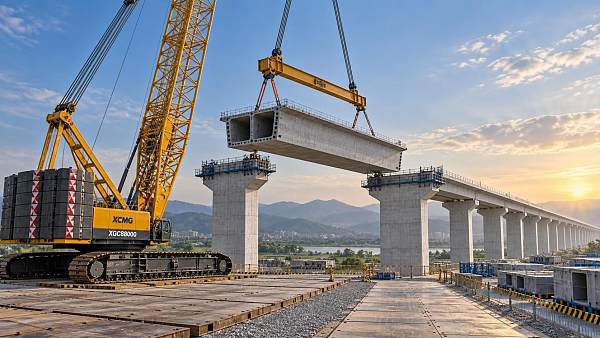
This balanced view is especially important for crawler cranes, gantry systems, hoists, and custom lifting solutions used in large infrastructure or industrial plants.
How to Check Real Manufacturing Capacity
Capacity is not only about factory size. It is about whether a manufacturer can reliably produce your equipment within the promised window.
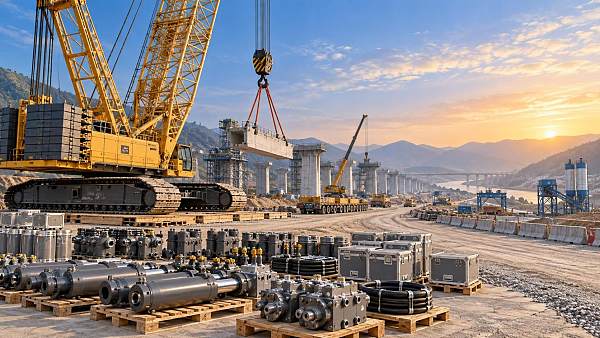
Start with the production footprint. Ask how many lines are dedicated to lifting equipment and how much work is subcontracted.
Then move deeper. Review fabrication, machining, assembly, painting, load testing, and shipping preparation as separate stages.
Questions That Reveal True Capacity
- What is the current order backlog for similar lifting machinery?
- How many units of the same tonnage class were delivered in the last twelve months?
- Which critical components are made in-house, and which are externally sourced?
- Where are the usual bottlenecks: steel cutting, welding, hydraulics, electrical systems, or testing?
- How is surge demand handled during peak project seasons?
Reliable lifting machinery manufacturers answer these clearly and with supporting records. Vague answers often signal unstable planning or limited scheduling control.
Factory visits remain one of the best validation tools. A walkthrough shows whether the plant layout matches the production claims.
If an on-site audit is not practical, request timestamped production videos, equipment lists, quality checkpoints, and recent shipment references for comparable projects.
What Certifications Should Be Verified
Certification should never be treated as a document collection exercise. The goal is to confirm legal compliance, technical credibility, and acceptance at the project site.
Different markets require different approvals. So the first step is matching certificates to your application, country, and end-user specification.
Core Areas to Review
- Quality management systems such as ISO 9001.
- Welding qualifications, welder approvals, and welding procedure records.
- Load test records and third-party inspection reports.
- CE, OSHA-related conformity, or destination-specific compliance requirements.
- Material traceability for structural steel, pins, hooks, wire ropes, and hydraulic components.
For complex lifting projects, also confirm whether the manufacturer can support FAT, witness testing, and full technical dossiers.
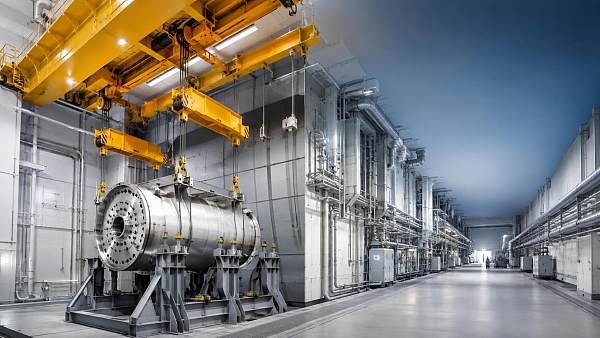
This matters more when equipment will be used in nuclear, offshore, large wind, or petrochemical settings, where inspection standards are stricter.
Experienced lifting machinery manufacturers usually maintain organized documentation systems. They can quickly provide revision-controlled files and explain any standard deviations.
If certificates are expired, inconsistent, or issued by unclear bodies, treat that as a serious warning sign rather than a paperwork delay.
How to Evaluate Lead Time Without Guesswork
Lead time is often the most sensitive issue in equipment procurement. It influences mobilization plans, labor scheduling, and exposure to liquidated damages.
Yet many quotations show a single delivery number with little explanation. That is where risk starts.
Ask lifting machinery manufacturers for a milestone-based schedule. It should include engineering release, raw material procurement, fabrication, assembly, testing, packing, and dispatch.
Lead Time Risk Factors
- Long-cycle imported parts such as bearings, hydraulic pumps, or control systems.
- Engineering changes after order confirmation.
- Third-party testing queue times.
- Port congestion, export documentation, or oversized cargo handling.
- Holiday shutdowns or labor shortages at key suppliers.
A useful approach is to compare quoted lead time with historical delivery data. Ask for three recent examples of similar machines and actual shipment dates.
Strong lifting machinery manufacturers can explain past delays honestly and show what process changes were made afterward.
That kind of transparency is usually a better predictor of delivery reliability than an aggressive promise on paper.
A Practical Supplier Evaluation Framework
To make supplier comparisons easier, use a weighted scoring model. This reduces bias and helps separate technical strength from commercial positioning.
This structure keeps the review practical. It also helps when several lifting machinery manufacturers appear similar at first glance.
In real projects, the winning supplier is often not the lowest bidder. It is the one with the best combination of readiness, compliance, and predictable execution.
Common Red Flags Buyers Should Not Ignore
Some warning signs appear early, but they are easy to overlook during price pressure or schedule urgency.
- The quotation lacks a detailed production timeline.
- Certification files are incomplete or inconsistent across documents.
- There is heavy dependence on unnamed subcontractors.
- Reference projects are outdated or not comparable.
- Technical responses are slow when discussing design limits or testing scope.
- Delivery claims seem much faster than the industry norm without clear justification.
When several red flags appear together, the issue is usually systemic rather than temporary.
That is why disciplined evaluation of lifting machinery manufacturers matters before contract award, not after production starts.
Final Decision: Choose the Supplier That Reduces Execution Risk
The best sourcing decision is rarely based on price alone. It is based on whether the supplier can support the project from manufacturing through commissioning.
When comparing lifting machinery manufacturers, focus on evidence instead of claims. Review output history, certification depth, and lead time logic with equal discipline.
A capable supplier should demonstrate stable factory control, valid compliance documents, and a schedule that survives real-world disruption.
That approach protects project timing, supports safety expectations, and lowers the risk of costly change orders or idle site resources.
In the end, evaluating lifting machinery manufacturers is about choosing the partner most likely to deliver certainty. In heavy equipment procurement, certainty is often the most valuable asset of all.
Related News
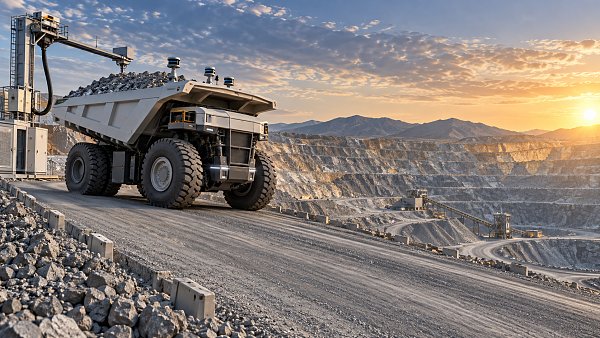
 Sep 19, 2026Mining Truck Technology Trends: What Fleet Managers Should Prioritize for 2026Mining truck technology trends for 2026: prioritize electrification, autonomy, predictive maintenance, and road intelligence to improve fleet uptime, safety, and cost control.
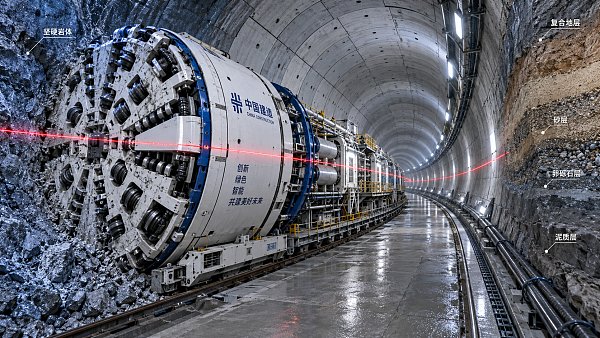
 Sep 17, 2026How TBM Guidance Technology Maintains Alignment Through Curves and Variable GroundTunnel boring machine guidance technology helps teams maintain precise alignment through curves and variable ground, reducing risk, improving lining accuracy, and protecting schedules.
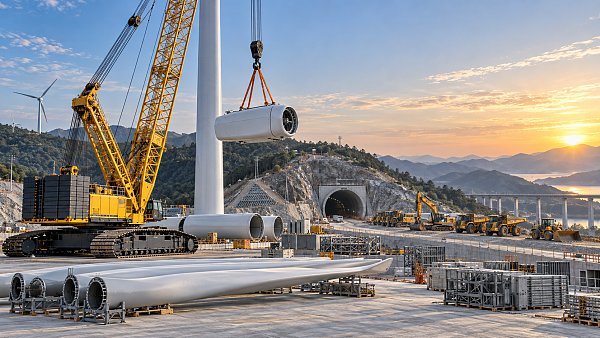
 Sep 16, 2026Infrastructure Equipment Market Reference: Demand, Pricing, and Supplier BenchmarksInfrastructure equipment market reference for buyers: assess demand signals, total cost, pricing risks, and supplier benchmarks for tunnels, mining, cranes, and road projects.
 Sep 15, 2026How to Evaluate Infrastructure Equipment Suppliers for Complex Project RequirementsInfrastructure equipment solutions supplier evaluation guide for complex projects: assess technical fit, lifecycle cost, reliability, local support, and contract risk.
Structural Load Expert
Weekly Insights
Stay ahead with our curated technology reports delivered every Monday.