
Wind Power Lifting Solutions: How to Compare Crane Options for Turbine Installation
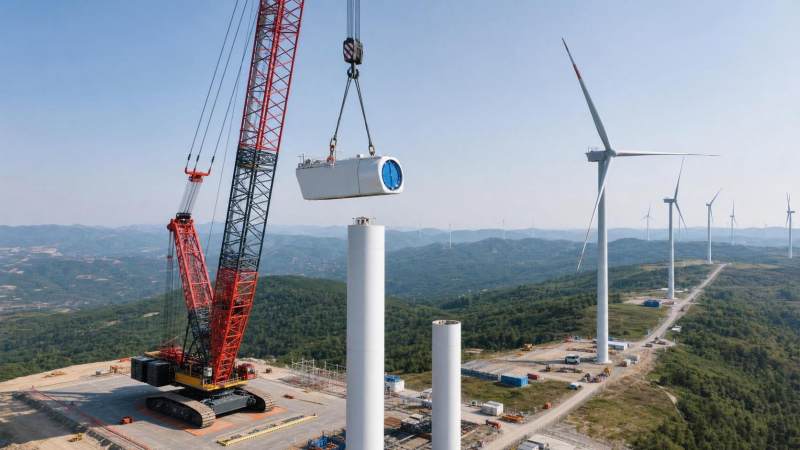
Wind Power Lifting Solutions: How to Compare Crane Options for Turbine Installation
Choosing the right wind power lifting solutions can decide whether turbine installation stays on schedule, within budget, and aligned with safety goals.
For procurement teams, crane selection is not only a technical question. It is a cost, logistics, and project risk decision.
Modern wind farms use taller towers, heavier nacelles, and longer blades. That makes wind power lifting solutions more specialized than they were even a few years ago.
In practice, the best crane is rarely the biggest one. The best choice is the one that fits the lift plan, site reality, transport route, and total project economics.
This guide explains how to compare wind power lifting solutions with a clearer procurement lens, from capacity and ground pressure to mobilization and lifecycle cost.
Start with the Real Lift Requirement
Many comparisons fail because they start from crane brochures instead of actual turbine parameters.
The first step is to define the heaviest component, the maximum lift height, and the working radius for each installation stage.
A nacelle lift, tower section lift, and blade installation can require different crane configurations. That changes the true comparison of wind power lifting solutions.
Create a lift data sheet before requesting quotations. It should include:
- Component weights, including rigging and lifting tools
- Hub height and final installation elevation
- Expected operating radius at each turbine position
- Wind limits during installation windows
- Site altitude and temperature range
- Any tandem lift or tailing requirements
Once this baseline is clear, wind power lifting solutions can be compared on facts rather than assumptions. That usually prevents expensive over-specification.
Compare Crane Types Beyond Rated Capacity
Crawler cranes remain the core of most wind power lifting solutions, especially for onshore turbine installation.
Still, not every crawler crane fits every project. Rated tonnage alone tells only part of the story.
Lattice boom crawler cranes
These are often the first choice for high hub heights and heavy components. They offer strong lifting charts and good stability for large wind jobs.
However, they usually demand more transport loads, longer assembly time, and more laydown area.
Telescopic crawler cranes
These wind power lifting solutions can reduce setup time and improve flexibility between turbine positions.
They work well where site access is tight or project schedules are compressed. The trade-off is lower performance on very tall or very heavy lifts.
Ring cranes or heavy-duty specialized systems
For next-generation turbines, specialized heavy lift systems may be more suitable than standard crawler cranes.
These options can unlock higher capacities, but mobilization, engineering support, and site preparation costs rise quickly.
Check the Site Before Comparing Prices
A lower rental quote can become the most expensive option if the crane struggles with access, slope, or ground bearing limits.
This is why site conditions should shape wind power lifting solutions from the beginning, not after supplier shortlisting.
Focus on five site variables:
- Road width, turning radius, and bridge restrictions
- Ground bearing capacity and matting requirements
- Slope, elevation change, and turbine pad layout
- Weather exposure and seasonal working windows
- Available space for assembly and component staging
For example, a crane with excellent capacity may still be inefficient if transport convoys face route restrictions or repeated road reinforcement.
From a cost standpoint, site mismatch often creates hidden spending through delays, support equipment, and additional civil work.
Use Total Cost, Not Day Rate, as the Main Metric
One of the most common mistakes in wind power lifting solutions is over-focusing on rental price per day.
A realistic procurement comparison should use total installed cost per turbine or per megawatt.
Build the cost model around these items:
- Crane rental or contract rate
- Mobilization and demobilization charges
- Assembly and dismantling labor
- Counterweights, boom sections, and auxiliary equipment
- Transport permits, escorts, and route preparation
- Ground improvement, crane pads, and mats
- Operator, rigging crew, and engineering support
- Weather delay exposure and standby risk
In real projects, a higher daily crane rate may still lower total cost if setup is faster and moves between turbines are simpler.
That is why the most effective wind power lifting solutions balance lift performance with logistical efficiency across the entire project cycle.
Evaluate Risk, Reliability, and Schedule Impact
Procurement decisions in wind installation should also test the supplier’s ability to protect schedule certainty.
A crane that looks competitive on paper may expose the project to downtime if spare parts, technicians, or local support are weak.
When comparing wind power lifting solutions, ask these practical questions:
- How many similar turbine projects has the supplier completed recently?
- What is the actual availability rate of the proposed crane model?
- Are major components and technicians available in the region?
- How quickly can replacement parts reach the site?
- What weather limits apply to each lift stage?
- How robust is the lift engineering and method statement support?
This matters even more as turbines grow larger. Small delays during tower or nacelle installation can affect commissioning, grid connection, and revenue start dates.
For that reason, reliable wind power lifting solutions should be scored not only on cost, but also on operational resilience.
Create a Simple Procurement Comparison Framework
A structured scorecard makes supplier evaluation faster and less subjective. It also helps internal stakeholders align on trade-offs.
This framework keeps wind power lifting solutions tied to project outcomes, rather than isolated technical claims.
Why Market Intelligence Improves Crane Selection
Recent wind projects show a clear shift toward larger components and tighter installation windows. That pushes crane planning upstream in the procurement process.
This is where industry intelligence becomes useful. It helps compare not just equipment, but also fleet availability, supplier capability, and regional project pressure.
As an international heavy equipment intelligence platform, TF-Strategy tracks the practical link between machine parameters, construction methods, and infrastructure demand.
For wind power lifting solutions, that means seeing beyond product sheets and understanding how crane choices perform under real project conditions.
In a market shaped by green energy investment and global heavy lift competition, better intelligence usually leads to better timing, lower TCO, and fewer execution surprises.
Make the Final Choice with a Project-First Mindset
The strongest wind power lifting solutions are not defined by headline capacity alone. They are defined by fit.
Fit means matching crane capability to turbine size, site limits, transport reality, weather exposure, and commercial targets.
A smart comparison process starts with lift data, tests site constraints early, models total cost honestly, and checks supplier reliability with discipline.
That approach makes wind power lifting solutions more predictable, more cost-efficient, and easier to defend in internal approval discussions.
For teams evaluating upcoming turbine installations, the next practical step is simple: build a comparison matrix around project-specific constraints before asking for final bids.
When wind power lifting solutions are selected with that level of precision, projects are far more likely to deliver safely, on time, and at the right cost.
Related News
 Sep 27, 2026Heavy Equipment Selection Factors for Matching Machine Capacity to Jobsite ConditionsHeavy equipment selection factors for matching capacity to jobsite conditions, improving productivity, safety, fleet efficiency, and total project cost control.
 Sep 26, 2026How to Select Wind Rotor Lifting Equipment for Safe Blade and Hub InstallationWind rotor lifting equipment selection guide: ensure safe blade and hub installation with the right lift method, load control, crane compatibility, wind limits, and compliance.
 Sep 25, 2026What Drives Heavy Haulage Cost on Oversized Construction Equipment Moves?Heavy haulage cost explained: discover how load dimensions, route surveys, permits, escorts, lifting plans, and scheduling shape reliable oversized equipment transport budgets.
 Sep 24, 2026Supplier Management Frameworks That Reduce Delays on Large Construction ProjectsLarge-scale construction projects supplier management frameworks help prevent costly delays with risk-based controls, milestone tracking, quality oversight, and escalation plans for critical packages.

Structural Load Expert
Weekly Insights
Stay ahead with our curated technology reports delivered every Monday.