
Crawler Cranes in New Energy Construction: Common Uses, Challenges, and Project Planning Tips
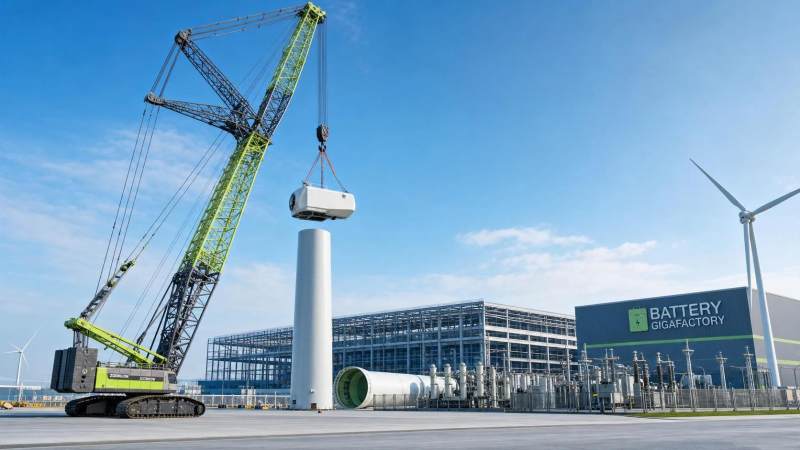
Crawler cranes have become a practical foundation for new energy construction. Wind farms, battery plants, hydrogen facilities, and large industrial modules all depend on heavy lifts that must be stable, precise, and well sequenced. For projects where schedule pressure and capital exposure are both high, crawler cranes are not just lifting assets; they are part of the delivery strategy.
Why crawler cranes matter in the energy transition
The energy transition is reshaping how heavy equipment is selected and deployed. New energy projects often combine remote sites, tight installation windows, and oversized components. That makes crawler cranes especially relevant, because they bring high lifting capacity, strong ground stability, and the flexibility to work in conditions where mobile cranes may face limits.
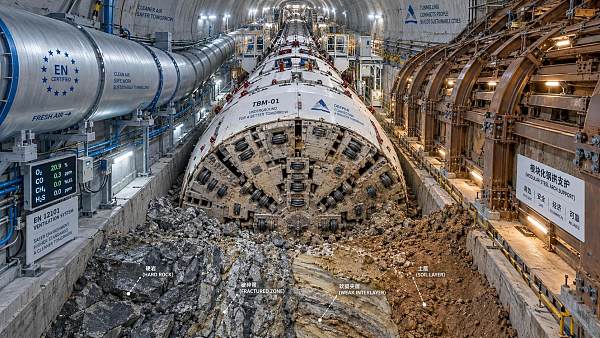
TF-Strategy’s broader view of heavy industry fits this shift well. Alongside TBM, ultra-large excavators, road machinery, and mining dump trucks, crawler cranes sit at the center of “power and precision.” In practical terms, they connect engineering design with real execution, especially in infrastructure programs tied to wind power, nuclear support systems, petrochemicals, and grid-scale energy assets.
That is why crawler cranes deserve close attention from decision-makers. A lifting plan affects not only safety, but also commissioning dates, subcontractor coordination, transport costs, and idle time across the whole site.
Common uses in new energy construction
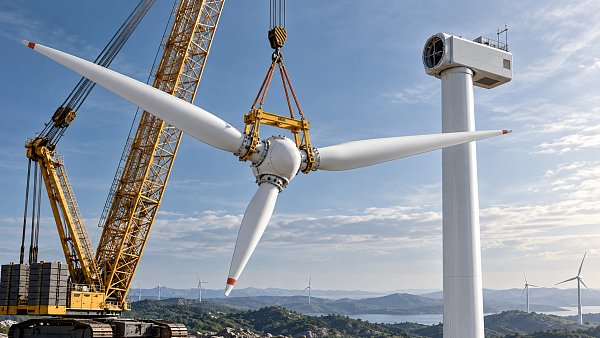
In wind projects, crawler cranes are most visible during turbine erection. They lift towers, nacelles, and blades, often in sequences that leave little room for delay. The long setup cycle is offset by the machine’s load chart, reach, and ability to remain stable on prepared ground.
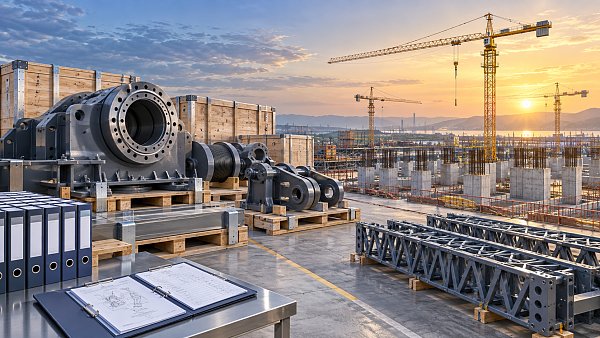
In battery manufacturing and storage facilities, crawler cranes support the placement of process modules, cooling systems, steel structures, and roof elements. These jobs may not always be as tall as wind work, but they can be just as sensitive to positioning accuracy and floor loading.
They also appear in hydrogen plants, substation upgrades, transformer installations, and large industrial retrofit projects. In each case, crawler cranes help move oversized components where access is constrained and lifting margins need to be predictable.
What makes execution difficult
The value of crawler cranes is clear, but their deployment is rarely simple. Ground bearing capacity is one of the first constraints. A crane with enough nominal capacity can still become risky if the pad, mats, or access route are not prepared for real field conditions.
Weather is another factor. Wind-sensitive lifts, especially on tall turbine components, can compress the usable working window. Even when the crane is technically capable, the site may lose productive hours to wind speed, visibility, or safety hold points.
Logistics also matter. Crawler cranes are heavy to transport, expensive to mobilize, and time-consuming to assemble. If the lift sequence changes late in the project, the cost of idle equipment can rise quickly. This is where poor coordination becomes more expensive than the crane itself.
Technical risk is not limited to the machine. Rigging quality, boom configuration, lift path, and interface with other trades all influence outcomes. In complex energy projects, the crane plan is often only as strong as the weakest handoff around it.
Planning priorities that improve project control
Good planning starts before the crane is booked. The first step is to match load requirements with the actual lift cycle, not just the heaviest component on paper. A turbine job, for example, may involve multiple critical picks, each with different geometry and weather exposure.
It also helps to validate site access early. Ground preparation, transport route limits, staging space, and assembly radius should be checked together. When those elements are aligned, crawler cranes can perform with far fewer disruptions.
- Confirm soil and pad conditions against the real outrigger or track load.
- Build the lift sequence around weather windows and component arrival dates.
- Review rigging, counterweight, and boom setup before mobilization.
- Keep interface control tight between civil, mechanical, and logistics teams.
For portfolio-level decisions, cost should be viewed as TCO rather than day-rate alone. A cheaper crane with repeated delays, rework, or missed weather windows can be more expensive than a better-matched solution.
How to judge the right deployment model
The best crawler cranes strategy depends on project scale, site conditions, and execution risk. Large wind projects may justify a high-capacity unit with longer mobilization, while battery or industrial modules may need faster setup and tighter maneuvering.
A useful way to judge the plan is to compare three questions: does the crane fit the load path, does the site support the machine, and does the schedule absorb setup time without disrupting downstream work? If any answer is weak, the project should revisit the lift method before locking in procurement.
This is where strategic intelligence becomes valuable. TF-Strategy’s focus on ultra-large lifting machinery and infrastructure trends reflects a broader need in heavy industry: turning technical parameters into commercial decisions. For crawler cranes, that means aligning machine choice with project certainty, not just capacity.
A practical way forward
Crawler cranes will remain central to new energy construction because the sector keeps producing heavier, taller, and more complex installations. The projects may differ, but the decision logic is consistent: lift safely, keep the schedule credible, and reduce hidden execution costs.
A strong next step is to assess upcoming projects by component size, site access, ground condition, and weather sensitivity. From there, the crane plan becomes easier to compare, and the business case becomes easier to defend.
When crawler cranes are planned as part of the full project system, they do more than lift steel. They help protect delivery quality across the new energy value chain.
Related News
 Sep 27, 2026Heavy Equipment Selection Factors for Matching Machine Capacity to Jobsite ConditionsHeavy equipment selection factors for matching capacity to jobsite conditions, improving productivity, safety, fleet efficiency, and total project cost control.
 Sep 26, 2026How to Select Wind Rotor Lifting Equipment for Safe Blade and Hub InstallationWind rotor lifting equipment selection guide: ensure safe blade and hub installation with the right lift method, load control, crane compatibility, wind limits, and compliance.
 Sep 25, 2026What Drives Heavy Haulage Cost on Oversized Construction Equipment Moves?Heavy haulage cost explained: discover how load dimensions, route surveys, permits, escorts, lifting plans, and scheduling shape reliable oversized equipment transport budgets.
 Sep 24, 2026Supplier Management Frameworks That Reduce Delays on Large Construction ProjectsLarge-scale construction projects supplier management frameworks help prevent costly delays with risk-based controls, milestone tracking, quality oversight, and escalation plans for critical packages.
Prof. Marcus Chen
Weekly Insights
Stay ahead with our curated technology reports delivered every Monday.