
New Energy Transition in Heavy Equipment: What Fleet Owners Should Evaluate First
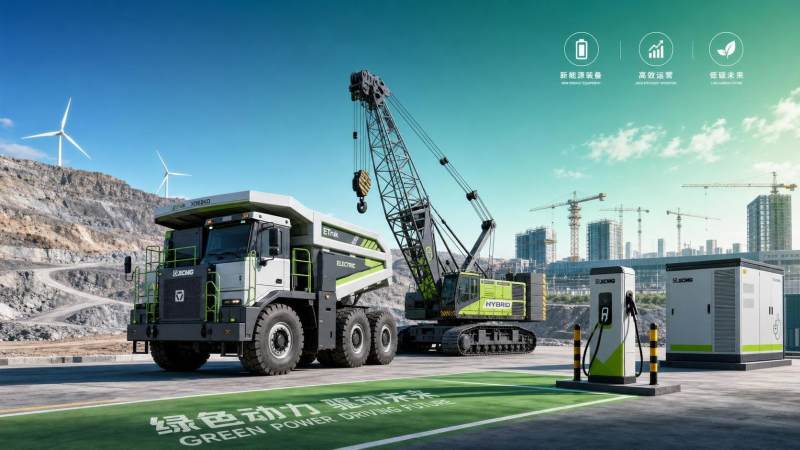
The shift is visible now, not sometime later
The new energy transition in heavy equipment has moved from pilot language to boardroom math.
Fuel volatility, carbon reporting, and uptime pressure are converging across mining, tunneling, lifting, and road construction fleets.
That is why the first question is no longer which machine looks most advanced.
The real question is where a cleaner powertrain creates measurable operating value without weakening output, cycle stability, or service access.
Across the global heavy equipment landscape, the strongest signal is practical rather than symbolic.
Projects tied to urban tunnels, open-pit mines, wind installation, and large transport corridors now face tighter energy expectations.
At the same time, contractors and asset owners still need the same fundamentals: power, precision, safety, and predictable delivery.
This tension explains why the new energy transition in heavy equipment is becoming a strategic sequencing exercise.
TF-Strategy has tracked this pattern closely across TBM systems, ultra-large excavators, crawler cranes, road machinery, and mining dump trucks.
The common lesson is clear: early value comes from evaluating the operating context first, then matching technology to that reality.
Why the new energy transition in heavy equipment is accelerating
Several forces are making this transition harder to postpone.
Some are external, including emissions rules, investor scrutiny, and tender requirements linked to project sustainability metrics.
Others are internal, especially fuel cost exposure, idle-time losses, ventilation burdens, and pressure to improve whole-life asset economics.
More importantly, the value proposition changes by application.
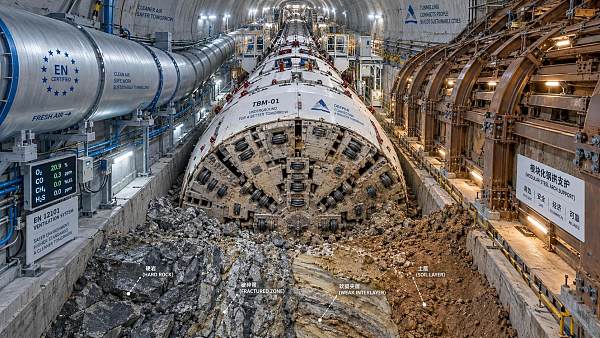
In tunnels, lower local emissions can reduce ventilation burdens.
In mines, the equation often centers on haul profiles, payload consistency, and charging or swap logistics.
For crawler cranes and road machinery, duty cycles and standby patterns shape the answer more than headline battery size.
What should be evaluated first
The first evaluation step is not the machine brochure.
It is the duty map of the fleet.
The new energy transition in heavy equipment succeeds when powertrain choice follows site reality, not abstract sustainability targets.
Start with operating scenarios
Duty cycle depth, grade, ambient temperature, shift pattern, and idle ratio all affect energy suitability.
A compact repetitive cycle can favor battery-electric machines.
A remote, high-load, continuous application may still favor hybrid or transitional fuel pathways.
Then test infrastructure readiness
Charging speed, grid stability, cable routing, maintenance bays, fire protocols, and spare parts access are decisive.
Without these, the new energy transition in heavy equipment can create downtime instead of savings.
Do not skip total cost of ownership
Initial price matters, but not as much as utilization, energy cost per cycle, maintenance intervals, and residual value.
Battery replacement timing and software support should be treated as financial variables, not technical footnotes.
Reliability still decides adoption speed
In heavy equipment, a cleaner machine that misses production targets does not stay in the fleet for long.
This is why verified uptime data, thermal performance, and service response times deserve early attention.
The impact does not fall evenly across equipment categories
One reason the market feels uneven is that each machine category carries different energy logic.
The same transition signal produces different adoption paths across the five pillars of heavy infrastructure.
- TBM support systems benefit where underground air quality, confined-space safety, and predictable work cycles improve the economics.
- Ultra-large excavators often need a staged path, because power demand peaks are severe and site logistics are complex.
- Crawler cranes may gain from hybridization first, especially where idle periods and load management create recoverable losses.
- Large road machinery is well placed for selective electrification on urban and regulated projects with known shift windows.
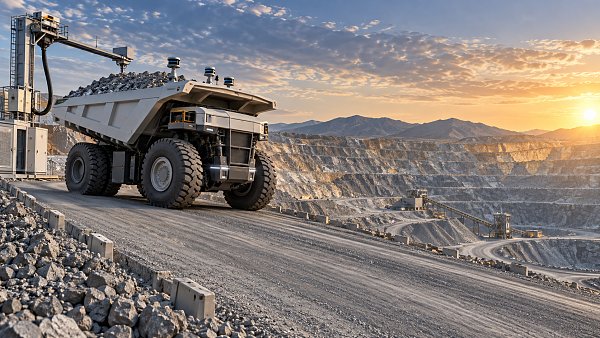
- Mining dump trucks present the sharpest upside and the hardest infrastructure challenge at the same time.
From recent deployments, pure electric haulage attracts attention because the diesel savings can be dramatic.
Yet ramp profiles, climate stress, and charging bottlenecks can erase those gains if planning is weak.
That is where intelligence-led evaluation matters most.
TF-Strategy’s focus on physical parameters and construction methodology is relevant here because energy transition decisions are deeply operational.
The market is rewarding disciplined transition plans
A notable change in the market is that ambition alone no longer impresses partners or investors.
What stands out instead is whether a fleet can prove a realistic transition roadmap.
That roadmap usually combines phased replacement, pilot validation, digital monitoring, and power infrastructure timing.
The new energy transition in heavy equipment is therefore becoming part engineering exercise, part capital allocation discipline.
In practical terms, three signals deserve close attention over the next planning cycle.
- Tender language is getting more specific about emissions reporting, energy sourcing, and jobsite compliance.
- OEM competition is shifting from prototype announcements to support ecosystems, including software, training, and charging integration.
- Financing discussions increasingly examine asset risk under future fuel and regulatory scenarios.
This also changes how long equipment portfolios should be viewed.
A machine is no longer just a production unit.
It is part of an energy architecture that includes data, grid strategy, maintenance capability, and compliance positioning.
Where to focus next if the transition is already on the agenda
The next move is not to electrify everything at once.
It is to identify where the new energy transition in heavy equipment can create fast learning with controlled exposure.
This approach turns transition planning into a measured capability build.
It also creates better internal benchmarks for later phases, when larger machines and tougher sites come into scope.
For organizations active in global infrastructure, that discipline may become a competitive advantage faster than expected.
The new energy transition in heavy equipment is not a single leap.
It is a series of project-level decisions shaped by energy access, machine physics, and delivery risk.
The most durable gains will likely come from comparing scenarios, validating infrastructure, and watching which applications achieve repeatable economics first.
A sensible next step is to review fleet data, isolate the most transition-ready assets, and build a phased plan around real operating evidence.
Related News
 Sep 22, 2026How to Evaluate a High-Altitude Mining Solutions Manufacturer for Remote ProjectsEvaluate a high-altitude mining solutions manufacturer with proven derating, cooling, service logistics, and lifecycle-cost support for remote projects.
 Sep 21, 2026Industrial Supplier Evaluation: A Risk-Based Scorecard for Quality, Capacity, and DeliveryIndustrial supplier evaluation made practical: use a risk-based scorecard to assess quality, capacity, and delivery reliability, reduce project risk, and select suppliers with confidence.
 Sep 20, 2026Comparing Heavy Equipment Warranty Suppliers: Coverage, Claims, and Downtime RiskSupplier comparison for heavy equipment warranty: evaluate coverage, claims speed, service networks, and downtime risk to protect uptime and project costs.
 Sep 19, 2026Mining Truck Technology Trends: What Fleet Managers Should Prioritize for 2026Mining truck technology trends for 2026: prioritize electrification, autonomy, predictive maintenance, and road intelligence to improve fleet uptime, safety, and cost control.
Prof. Marcus Chen
Weekly Insights
Stay ahead with our curated technology reports delivered every Monday.