
How global infrastructure projects are being repriced
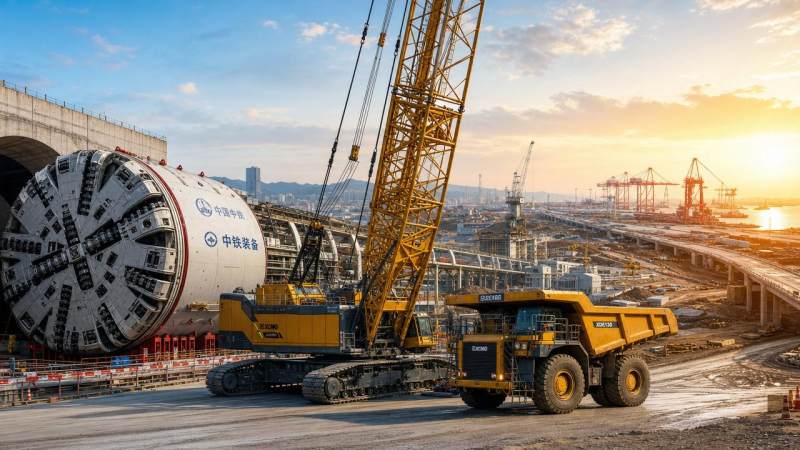
Global infrastructure projects are entering a new pricing cycle as capital costs, equipment availability, energy transition demands, and geopolitical risk reshape project economics.
For business evaluators, the key question is no longer simply whether a tunnel, mine, port, highway, or energy corridor can be built.
The sharper question is whether machinery strategy, delivery model, and lifecycle cost assumptions still hold under today’s volatile conditions.
This analysis examines how heavy equipment intelligence is becoming central to pricing global infrastructure projects and judging investment viability.
A New Cost Baseline Is Emerging Across Global Infrastructure Projects
The repricing of global infrastructure projects is not a temporary budgeting adjustment. It reflects a deeper reset in engineering economics.
Higher interest rates have increased the cost of long construction cycles, especially for tunnels, mines, ports, and energy transmission corridors.
At the same time, specialized equipment capacity is no longer assumed to be instantly available at predictable prices.
Tunnel boring machines, crawler cranes, ultra-large excavators, and mining dump trucks now influence risk premiums as much as financing terms.
In previous cycles, equipment planning often followed civil design. Today, machinery intelligence increasingly shapes early feasibility decisions.
This change is especially visible in global infrastructure projects exposed to geology, political borders, energy volatility, and strict decarbonization targets.
Trend Signals Showing Why Pricing Models Are Shifting
Several signals indicate that global infrastructure projects are being valued through a more cautious, data-driven lens.
Tender prices are widening between technically simple packages and assets requiring high-precision underground, mining, or heavy-lift execution.
Equipment lead times are also influencing project calendars, particularly where TBM customization or heavy crane availability is critical.
Insurance, logistics, and standby costs are being priced earlier because delays can quickly damage net present value.
This is changing how global infrastructure projects are screened, structured, and negotiated before capital is fully committed.
Early Warning Indicators Now Matter More
- Longer procurement windows for TBM shields, cutter heads, and main bearings.
- Higher premiums for crawler cranes serving offshore wind, nuclear, and petrochemical modules.
- Rising haulage costs in mines affected by altitude, heat, or fuel constraints.
- Greater scrutiny of road machinery precision for high-speed and smart highway networks.
- More sensitivity to currency, sanctions, shipping routes, and cross-border permitting.
The Main Forces Repricing Global Infrastructure Projects
The pricing reset is driven by connected forces rather than one isolated shock.
Understanding these drivers helps explain why similar global infrastructure projects can now produce very different cost estimates.
These forces make global infrastructure projects less comparable through headline cost per kilometer, megawatt, tonne, or cubic meter.
The more useful comparison is total risk-adjusted delivery cost over the full asset lifecycle.
Heavy Equipment Strategy Is Becoming A Valuation Factor
Heavy machinery has moved from execution detail to strategic pricing variable.
For tunnel programs, TBM diameter, torque, cutter wear, and support systems can decide whether geological risk is manageable.
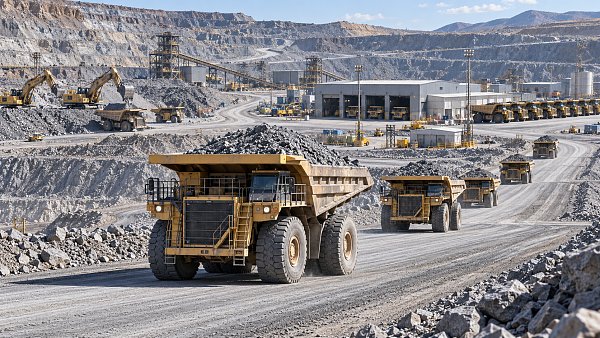
For open-pit mining, excavator matching and dump truck cycle efficiency shape production economics over many years.
For energy projects, crawler crane availability can determine whether heavy modules arrive on time and lift safely.
For highways, paving accuracy and compaction intelligence influence long-term maintenance cost, not only construction cost.
As a result, global infrastructure projects increasingly require machinery planning before final financial close.
Why Equipment Intelligence Changes Project Value
- It reveals whether design assumptions match real machine capability.
- It identifies bottlenecks before they become contractual claims.
- It supports better estimates for fuel, wear parts, and maintenance.
- It connects delivery risk with financing, insurance, and schedule planning.
- It helps benchmark global infrastructure projects across regions and contractors.
Impact Across Financing, Delivery, And Operations
The repricing trend affects more than capital expenditure. It changes how contracts, guarantees, and operating models are built.
Financing models now require stronger visibility into equipment lead times, uptime assumptions, and replacement parts availability.
Delivery teams are expected to defend methodology choices with real performance data, not only engineering judgment.
Operations teams must prove that lifecycle costs will remain stable after the asset enters service.
This shifts global infrastructure projects toward integrated planning between civil design, machinery deployment, digital monitoring, and maintenance strategy.
Where Cost Pressure Appears First
- Tunnel sections with mixed ground, high water pressure, or urban settlement limits.
- Mining sites dependent on continuous loading and hauling under extreme climates.
- Wind, nuclear, and petrochemical projects requiring ultra-heavy lifting windows.
- Highway networks requiring durable surfaces, rapid delivery, and smart monitoring.
- Remote corridors where fuel, tires, spare parts, and technicians are difficult to secure.
What Should Be Monitored Before Repricing Decisions
The most resilient global infrastructure projects are not always the cheapest on paper.
They are the projects with transparent assumptions, realistic machinery deployment, and credible lifecycle controls.
A practical evaluation should combine commercial, technical, and strategic intelligence.
Core Points For Close Review
- Confirm whether geological data supports TBM selection and cutter head configuration.
- Test whether crane capacity, transport routes, and lifting windows are realistic.
- Compare mining fleet productivity against altitude, temperature, grade, and haul distance.
- Review energy use, electrification options, and charging or fueling infrastructure.
- Track critical parts exposure, including hydraulics, bearings, tires, sensors, and control systems.
- Assess whether digital monitoring can reduce downtime and improve claims evidence.
These checks help distinguish robust global infrastructure projects from assets vulnerable to hidden escalation.
Scenario Planning Is Replacing Single-Point Estimates
Single-point cost estimates are increasingly inadequate for global infrastructure projects exposed to volatile input conditions.
Scenario planning gives a clearer view of downside exposure and possible upside from better machinery strategy.
This approach makes repricing more disciplined. It links investment assumptions to operational reality.
How Strategic Intelligence Improves Project Judgement
Heavy industry intelligence is becoming a decision layer for global infrastructure projects.
It connects machinery parameters, construction methodology, supply conditions, and commercial risk into one clearer evaluation frame.
TF-Strategy focuses on this intersection through intelligence on TBM systems, ultra-large excavators, crawler cranes, road machinery, and mining dump trucks.
Such intelligence helps explain whether a cost increase is temporary, structural, or linked to an avoidable planning gap.
It also supports better comparisons between global infrastructure projects competing for limited capital and equipment capacity.
Practical Intelligence Signals To Track
- Tender activity for tunnels, mines, ports, highways, and energy corridors.
- Special steel, cutter tool, tire, bearing, and hydraulic supply indicators.
- Adoption of 5G remote excavation and autonomous haulage systems.
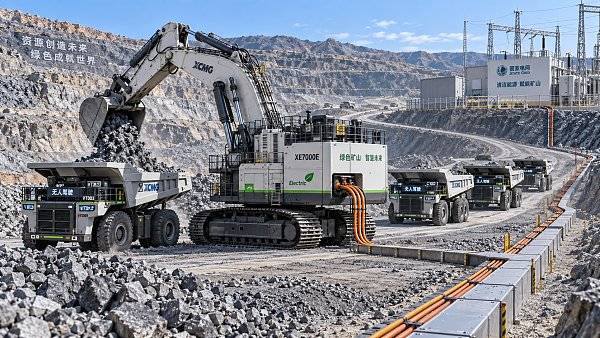
- Commercial progress of pure electric mining trucks and support infrastructure.
- Regional shifts in crane demand from wind power, nuclear, and petrochemicals.
Action Steps For The Next Pricing Cycle
The next phase of global infrastructure projects will reward evidence-based planning over optimistic extrapolation.
Before approving budgets, decision frameworks should integrate machinery availability, lifecycle cost, decarbonization exposure, and geopolitical resilience.
The first action is to build an equipment-risk map for each major work package.
The second action is to test project economics against delay, fuel, parts, and financing stress scenarios.
The third action is to monitor high-authority intelligence before tender submission, financing close, or major procurement commitment.
Global infrastructure projects will still advance, because urbanization, mineral demand, energy transition, and trade connectivity remain powerful forces.
Yet their pricing will increasingly reflect power, precision, and strategic control over heavy machinery ecosystems.
A disciplined intelligence process can turn repricing from a threat into a sharper basis for project selection and execution.
For deeper evaluation, track equipment signals, tender movements, and lifecycle cost indicators before the next commitment point arrives.
Related News
 Oct 13, 2026OEM Equipment Suppliers in Europe: Vetting Quality, Lead Times, and SupportCompare OEM equipment Europe suppliers on quality, lead times, and after-sales support. Discover practical vetting steps to reduce downtime and buy heavy equipment with confidence.
 Oct 12, 2026How to Assess a High-Altitude Mining Equipment Manufacturer for Remote ProjectsHigh altitude mining manufacturer assessment guide: compare derating, cold-climate reliability, remote service, parts resilience, and lifecycle risk for smarter project decisions.
 Oct 11, 2026What Drives TBM Cutter Head Material Cost and Life-Cycle Value?Cutter head material cost explained: compare TBM alloys, wear protection, downtime risk, and life-cycle value to choose the most reliable, cost-effective solution.
 Oct 13, 2026Mining Haulage Services Procurement Checklist for Uptime and Cost ControlMining haulage services procurement checklist for stronger uptime, safer fleet selection, transparent pricing, and better cost control across changing mine conditions.



Prof. Marcus Chen
Weekly Insights
Stay ahead with our curated technology reports delivered every Monday.