
How global mining projects are shifting supply chain risks
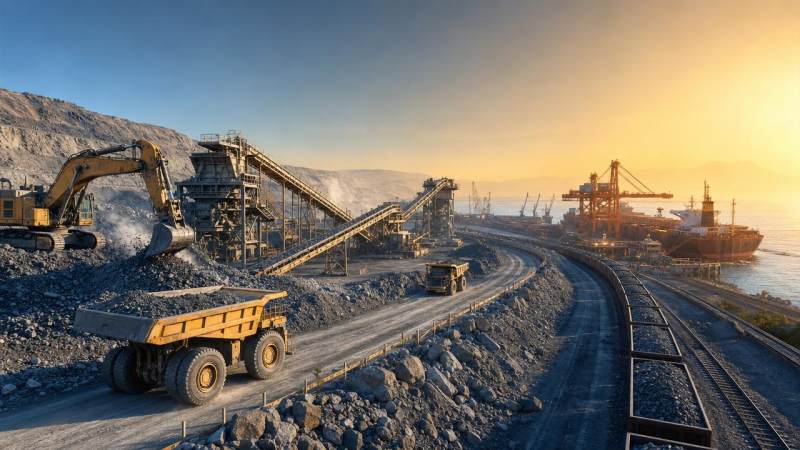
As global mining projects expand into politically sensitive regions, supply chain risk is no longer just a logistics issue—it is a strategic concern for investors, contractors, and engineering planners.
From critical minerals to ultra-large equipment delivery, shifting trade routes, local regulations, and energy transitions are reshaping how global mining projects are evaluated, financed, and executed.
For infrastructure intelligence platforms such as TF-Strategy, this shift matters because equipment, geology, transport capacity, and policy risk now interact more tightly than before.
What is changing in global mining projects today?
The biggest change is geographic expansion.
Many global mining projects are moving into frontier regions with weaker transport networks, stricter resource nationalism, and higher exposure to sanctions, elections, or security disruptions.
At the same time, demand for copper, lithium, nickel, rare earths, and iron ore remains strong.
This creates a paradox.
The world needs more output, yet many global mining projects now rely on longer supply lines, fewer qualified equipment vendors, and more fragile cross-border approvals.
Heavy industry also adds complexity.
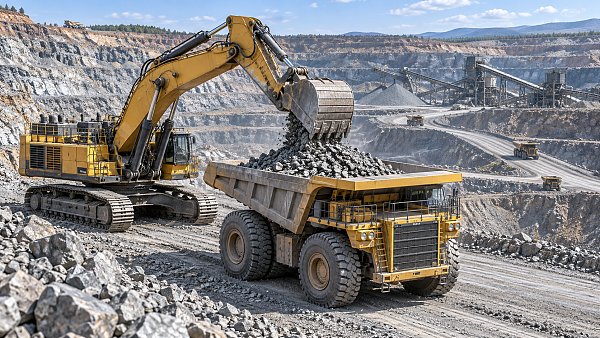
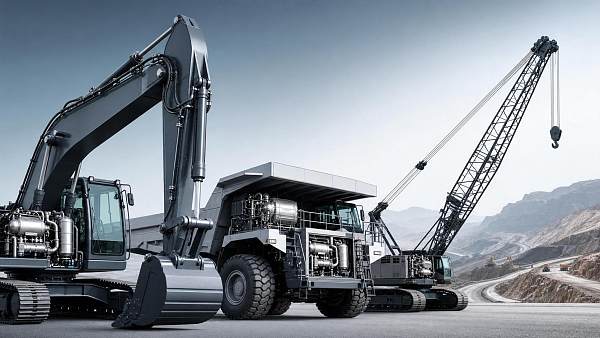
Open-pit mines depend on excavators, haul trucks, crushers, conveyor systems, and lifting machinery that require specialized parts, skilled service, and oversized transport corridors.
In this environment, a delayed gear set or hydraulic module can affect production more than a short-term commodity price move.
Why are supply chain risks becoming more strategic than operational?
Traditional mining supply chains were judged mainly by cost, lead time, and availability.
Today, global mining projects must also account for geopolitical friction, energy reliability, ESG scrutiny, and local content mandates.
This broader risk picture changes investment logic.
A project may look attractive on ore grade and capex, yet remain vulnerable if spare parts depend on a single port, one customs route, or one politically exposed supplier.
Several strategic factors now shape global mining projects:
- Sanctions and export controls affecting machinery, electronics, and power systems
- National policies demanding local processing or domestic procurement
- Energy transitions increasing dependence on new mineral sources
- Shipping volatility across canals, rail corridors, and inland roads
- Insurance costs rising in conflict-prone or climate-stressed areas
This is why supply chain planning now belongs in early-stage project design, not only in procurement execution.
Which parts of global mining projects face the highest supply chain risk?
Risk is not evenly distributed.
Some categories create much larger schedule and cost exposure than others.
1. Ultra-large equipment and mission-critical components
Global mining projects often need excavators, mining trucks, electric drives, crushers, and crawler cranes with long manufacturing cycles.
These assets are difficult to substitute once engineering has been locked.
A single disruption can affect commissioning, ramp-up, and maintenance windows for months.
2. Fuel, power, and electrification systems
Many global mining projects are reassessing diesel dependence.
However, electric fleets, charging systems, substations, and battery logistics introduce new dependencies on grid stability and specialist suppliers.
3. Wear parts and high-frequency consumables
Tires, ground engaging tools, cutter materials, hydraulic seals, and filtration systems may seem routine.
Yet shortages here quickly reduce uptime across global mining projects, especially in remote sites with seasonal access limits.
4. Transport infrastructure outside the mine gate
The mine may operate well, but the wider chain can fail.
Ports, bridges, rail loading points, customs clearance, and heavy haul roads often determine whether material reaches markets on time.
How do regional shifts affect decisions in global mining projects?
Regional context now matters as much as mine design.
In Latin America, water constraints, permitting cycles, and social license can slow expansion.
In Africa, corridor dependence and import procedures often shape equipment lead times.
In Central Asia and parts of Southeast Asia, border complexity and energy reliability may dominate risk calculations.
These differences mean global mining projects cannot rely on one universal sourcing model.
A low-cost supplier may be ideal in one region but unsuitable in another due to service gaps, transport permits, or currency volatility.
Decision quality improves when teams compare four regional dimensions:
- Political predictability and contract enforceability
- Heavy equipment access, assembly, and aftersales support
- Transport resilience across seasons and border crossings
- Energy, water, and digital infrastructure readiness
How can global mining projects reduce supply chain exposure without inflating cost?
The goal is not to eliminate risk completely.
The goal is to build flexible resilience where disruption would be most expensive.
Effective global mining projects usually combine several practical measures.
Design for supply optionality
Where possible, avoid technical specifications tied to one manufacturer, one control platform, or one regional service network.
Map tier-two and tier-three dependencies
Many disruptions come from unseen suppliers.
A visible OEM may depend on the same motor producer or semiconductor line as its competitors.
Use regional inventory logic
Not every part requires stockpiling.
Critical slow-moving items deserve different planning from common consumables with multiple approved sources.
Align logistics with construction sequencing
For global mining projects, oversized cargo should be scheduled with road reinforcement, crane availability, and customs windows in mind.
Integrate intelligence into procurement reviews
Platforms like TF-Strategy create value by connecting project tenders, equipment evolution, raw material trends, and route conditions into one decision framework.
What are common mistakes when assessing supply chain risk in global mining projects?
Several errors appear repeatedly.
- Assuming contract award means guaranteed delivery
- Focusing on purchase price while ignoring downtime cost
- Treating local content rules as simple paperwork
- Overlooking service technician availability in remote regions
- Underestimating weather, altitude, and route limitations for heavy haulage
Another mistake is separating mine planning from infrastructure planning.
In reality, global mining projects succeed when pit design, haul systems, energy supply, lifting capacity, and logistics corridors are assessed together.
How should supply chain risk be compared across global mining projects?
What does this mean for future global mining projects?
Future winners will not be defined by ore body quality alone.
They will be defined by how well global mining projects connect engineering choices with geopolitical awareness and logistics realism.
This is especially true where heavy machinery performance depends on precise maintenance cycles, specialized materials, and reliable transport interfaces.
For decision support, intelligence must extend beyond headlines.
It should link equipment parameters, route feasibility, raw material supply, and regional policy shifts into one practical operating picture.
That is the value of a strategic approach championed by TF-Strategy.
As global mining projects keep shifting, the next step is clear: review exposure by corridor, by component, and by region before disruption forces reactive decisions.
A smarter supply chain is no longer a support function. It is part of project viability itself.
Related News
 Oct 12, 2026How to Assess a High-Altitude Mining Equipment Manufacturer for Remote ProjectsHigh altitude mining manufacturer assessment guide: compare derating, cold-climate reliability, remote service, parts resilience, and lifecycle risk for smarter project decisions.
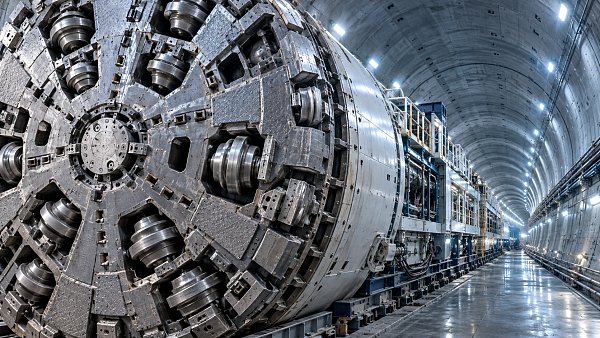
 Oct 11, 2026What Drives TBM Cutter Head Material Cost and Life-Cycle Value?Cutter head material cost explained: compare TBM alloys, wear protection, downtime risk, and life-cycle value to choose the most reliable, cost-effective solution.
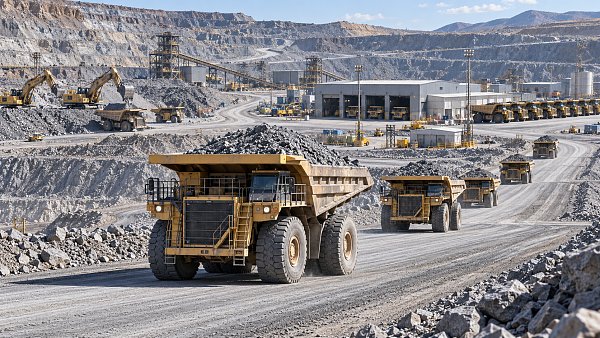
 Oct 13, 2026Mining Haulage Services Procurement Checklist for Uptime and Cost ControlMining haulage services procurement checklist for stronger uptime, safer fleet selection, transparent pricing, and better cost control across changing mine conditions.
 Oct 12, 2026How to Read Mining Equipment Performance Reviews Beyond Headline MetricsMining equipment performance reviews explained: learn to assess productivity, availability, maintenance risk, site conditions, and total ownership cost for smarter fleet decisions.

Dr. Alistair Vaughn
Weekly Insights
Stay ahead with our curated technology reports delivered every Monday.