
Smart Highways Explained: Key Systems, Use Cases, and Deployment Challenges
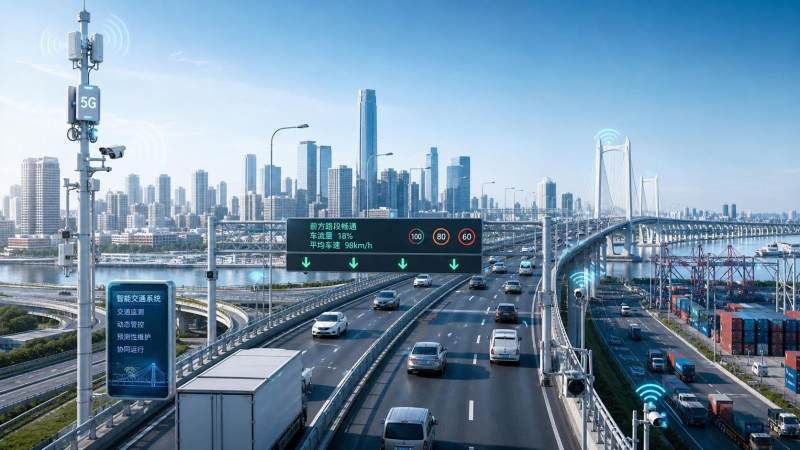
Why are smart highways getting so much attention now?
Smart highways are moving from pilot concept to infrastructure priority. The reason is practical, not fashionable.
Road networks now carry more vehicles, more data, and higher expectations for uptime, safety, and carbon efficiency.
A conventional highway mainly supports movement. Smart highways support movement, monitoring, prediction, and faster intervention.
That shift matters because transport assets are no longer judged only by lane-kilometers built. They are judged by performance across decades.
In practical terms, smart highways combine civil engineering, sensing, connectivity, software, and traffic operations into one coordinated system.
This is why heavy-industry intelligence platforms such as TF-Strategy increasingly track road machinery, paving precision, and digital construction standards together.
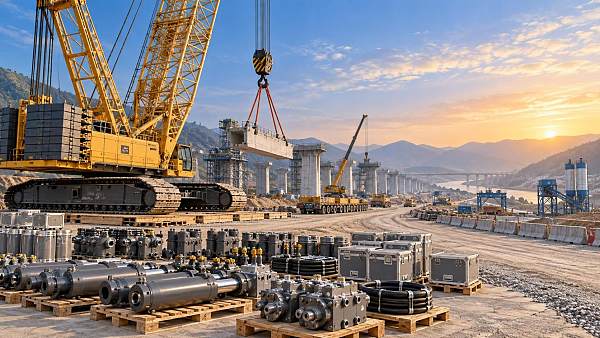
The same logic that improves TBM guidance or crane lifting accuracy also applies to modern road corridors: better data reduces uncertainty.
For long-horizon infrastructure planning, that means fewer blind spots in maintenance, better traffic response, and clearer lifecycle investment decisions.
What exactly makes a highway “smart”?
A smart highway is not one single product. It is a layered operating environment built on physical assets and digital feedback loops.
Most smart highways include several core systems working together rather than one headline technology.
- Traffic sensing systems that capture speed, density, incidents, and lane occupancy in real time.
- Connected communication layers such as fiber, roadside units, 5G links, or hybrid V2X architecture.
- Dynamic control tools including variable message signs, lane control, adaptive lighting, and signal coordination.
- Asset monitoring tools that track pavement condition, bridge strain, drainage performance, and weather exposure.
- Central software platforms that integrate road data into decisions, alerts, and predictive maintenance workflows.
The key point is interoperability. A highway does not become smart just because it has cameras or LED signs.
It becomes smart when data from multiple subsystems leads to automated or operator-guided action.
For example, rainfall detection can trigger speed warnings, drainage alerts, and maintenance dispatch in the same operating chain.
That integrated logic is especially relevant where large road machinery, precision paving, and continuous traffic access must be balanced carefully.
Where do smart highways create the most value in real projects?
The strongest use cases usually appear where congestion, safety exposure, logistics dependency, or maintenance complexity is already high.
Urban expressways are a common example. Traffic conditions change quickly, so dynamic lane use and incident detection bring immediate value.
Freight corridors are another priority. Here, smart highways help manage axle loads, travel time reliability, and weather-related disruptions.
Mountain roads and tunnel-linked corridors also benefit. Visibility, slope drainage, and response coordination are harder in these environments.
In these cases, the value often comes from risk reduction rather than from headline capacity gains.
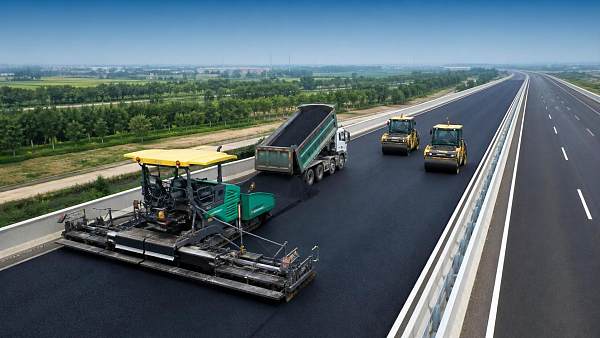
Road construction zones are also becoming a major application area. Temporary smart systems can protect crews and maintain traffic flow.
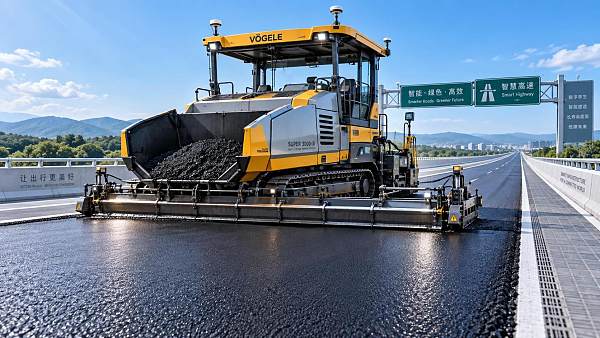
This matters because smart highways are not only about finished roads. They also influence how roads are built, monitored, and handed over.
That broader view fits the infrastructure logic TF-Strategy follows across heavy machinery sectors: performance depends on construction quality and operational intelligence together.
A quick decision table for common deployment goals
Before selecting technology, it helps to match corridor needs with the most relevant smart highway functions.
How are smart highways different from ordinary highway upgrades?
This is a common point of confusion. Not every digital upgrade qualifies as a smart highway strategy.
Ordinary upgrades usually improve a component. Smart highways improve how components communicate, learn, and support decisions.
A resurfacing program may improve ride quality. A smart highway approach links pavement condition data to maintenance forecasting.
A new lighting system may reduce energy use. A smart system adjusts brightness by weather, traffic density, or incident conditions.
The difference is not always visible from the roadside. It often sits in the control logic, data architecture, and operating procedures.
This distinction matters during procurement. Projects can overspend on hardware while underinvesting in integration and governance.
A useful rule is simple: if the upgrade cannot produce usable operational intelligence, it is digital equipment, not yet a smart highway.
What usually slows deployment or increases project risk?
The biggest barrier is rarely the sensor itself. It is the gap between engineering ambition and delivery reality.
One frequent problem is fragmented system design. Traffic systems, pavement systems, telecom networks, and maintenance teams often plan separately.
When those packages are not aligned, smart highways become hard to scale and expensive to maintain.
Data governance is another challenge. Teams must decide who owns data, who validates it, and how long it remains reliable.
Cybersecurity also moves to the center. A connected road is an operational technology environment, not just an IT dashboard.
Field conditions create their own issues. Heat, dust, vibration, water ingress, and poor power quality can undermine roadside equipment.
That is why deployment planning should include ruggedization, spare parts logic, and realistic maintenance access from the beginning.
There is also a construction-phase challenge. Smart highways often require coordination with paving windows, civil works, utilities, and traffic diversion plans.
In actual delivery, the smartest concept can fail if installation sequencing is treated as an afterthought.
- Unclear performance targets lead to vague procurement and weak acceptance testing.
- Vendor-specific platforms can lock future expansion into a narrow technical path.
- Poor baseline asset records make predictive functions less accurate than expected.
- Operations teams may inherit systems without training, staffing, or maintenance budgets.
What should be checked before committing to a smart highway program?
A good starting point is not technology shopping. It is corridor diagnosis.
Ask what problem the smart highway investment must solve first: incidents, congestion, asset deterioration, freight disruption, or climate exposure.
Then check whether the organization can actually operate what it plans to install.
In many projects, the most valuable work happens before procurement documents are issued.
- Define measurable outcomes such as incident response time, pavement intervention timing, or freight travel variability.
- Map all existing systems, including legacy signs, control centers, telecom assets, and maintenance databases.
- Set interoperability standards early so later phases do not become isolated technology islands.
- Compare CapEx against full lifecycle cost, including software updates, calibration, field repairs, and operator training.
- Plan phased deployment where possible, starting with high-impact sections and validated operating scenarios.
This is also where external intelligence becomes useful. Market tracking helps clarify which systems are proven, oversold, or poorly supported regionally.
For organizations already following heavy equipment trends, smart highways fit into a larger transition toward digitalized, safer, and more measurable infrastructure delivery.
The road itself is still a physical asset. Yet the long-term advantage increasingly comes from how well its data is translated into action.
So, how should smart highways be viewed in the next investment cycle?
Smart highways should be viewed as an operating model, not a decorative technology layer.
Their value appears when safety, maintenance, traffic control, and asset intelligence are designed as one system.
The strongest programs usually start with a narrow corridor problem, build a clear data architecture, and scale only after field learning.
That approach reduces the risk of buying disconnected hardware under the smart highways label.
A sensible next step is to build a corridor-level checklist covering objectives, integration standards, lifecycle cost, construction sequencing, and operational ownership.
From there, compare use cases carefully and monitor technology maturity with the same discipline used in other heavy infrastructure systems.
When that discipline is in place, smart highways become less of a buzzword and more of a durable infrastructure capability.
Related News
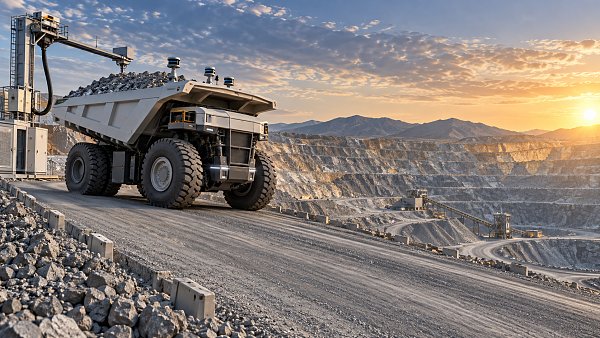
 Sep 19, 2026Mining Truck Technology Trends: What Fleet Managers Should Prioritize for 2026Mining truck technology trends for 2026: prioritize electrification, autonomy, predictive maintenance, and road intelligence to improve fleet uptime, safety, and cost control.
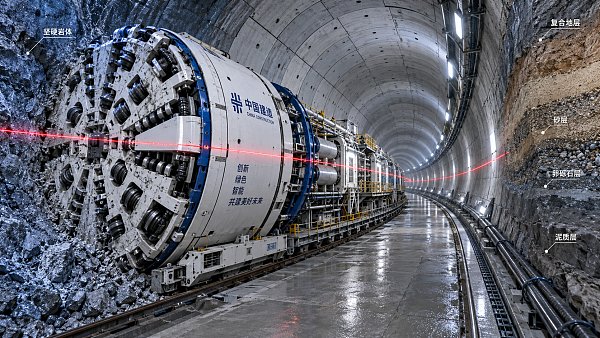
 Sep 17, 2026How TBM Guidance Technology Maintains Alignment Through Curves and Variable GroundTunnel boring machine guidance technology helps teams maintain precise alignment through curves and variable ground, reducing risk, improving lining accuracy, and protecting schedules.
 Sep 16, 2026Infrastructure Equipment Market Reference: Demand, Pricing, and Supplier BenchmarksInfrastructure equipment market reference for buyers: assess demand signals, total cost, pricing risks, and supplier benchmarks for tunnels, mining, cranes, and road projects.
 Sep 15, 2026How to Evaluate Infrastructure Equipment Suppliers for Complex Project RequirementsInfrastructure equipment solutions supplier evaluation guide for complex projects: assess technical fit, lifecycle cost, reliability, local support, and contract risk.
Pavement Process Engineer
Weekly Insights
Stay ahead with our curated technology reports delivered every Monday.