
Heavy Machinery Intelligence Explained: Key Data Functions for Safer Site Operations
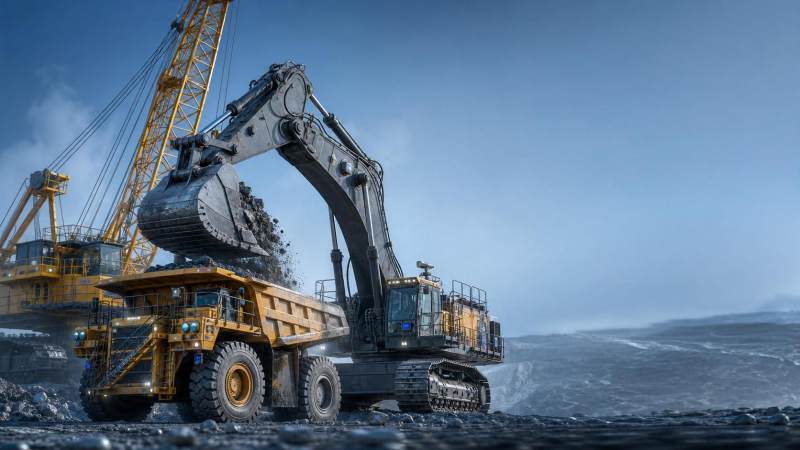
Heavy machinery intelligence has moved from a niche digital layer to a practical operating discipline across major construction and extraction projects. On sites where TBMs, crawler cranes, ultra-large excavators, road machinery, and mining dump trucks work under tight deadlines, the difference between routine output and serious disruption often comes down to how well equipment data is captured, interpreted, and acted on.
That shift matters because heavy assets now operate in environments shaped by stricter safety expectations, volatile energy costs, remote terrain, and larger project complexity. Heavy machinery intelligence helps connect machine parameters, site conditions, operator behavior, and maintenance signals into a clearer decision framework, making safer site operations less dependent on guesswork.
What heavy machinery intelligence really means on site
In simple terms, heavy machinery intelligence is the structured use of machine, process, and environmental data to improve control over field operations. It is not limited to telematics dashboards or isolated sensor outputs.
A useful system links several layers at once. It combines real-time machine status, historical performance, maintenance records, site sequence planning, and external context such as geology, weather, haul-road condition, or lifting windows.
This is especially relevant in sectors followed closely by TF-Strategy, where machine behavior cannot be separated from engineering method. A TBM cutterhead does not tell a complete story without geology. A mining dump truck trend looks incomplete without altitude, payload discipline, and road gradient.
The same principle applies to crawler cranes, large pavers, and open-pit excavators. Intelligence becomes valuable when data reflects the full operating context rather than isolated numbers.
Why the topic is getting more attention
The industry is paying closer attention because equipment fleets have become both more capable and more exposed. Machines are larger, more automated, and more expensive to idle. At the same time, projects face tighter tolerance for accidents, rework, and unplanned downtime.
Digitalization also changed expectations. Once operators, planners, and maintenance teams can see equipment data in near real time, delayed reporting feels like a blind spot rather than a normal condition.
More importantly, heavy machinery intelligence now supports broader strategic questions. It helps compare machine classes, evaluate material changes such as TBM cutterhead iterations, assess remote-control excavation readiness, and understand when electrified haulage is commercially realistic.
That wider perspective is why intelligence platforms like TF-Strategy matter. The value is not only in collecting news, but in stitching technical signals to project delivery logic, TCO pressure, and infrastructure demand patterns.
The data functions that most directly improve safety
Not all data functions carry the same operational weight. For safer site operations, a few capabilities consistently stand out.
Condition monitoring and anomaly detection
This is often the first practical layer. Sensors track vibration, temperature, pressure, hydraulic behavior, engine load, braking response, structural stress, and other core indicators.
The goal is not only to report values, but to detect deviation patterns early. A rising bearing temperature on a conveyor drive, unusual boom stress on a crane, or unstable cutter torque on a TBM can signal a safety event before failure appears.
Location, movement, and exclusion-zone awareness
Collision risk is rarely a single-machine problem. It emerges from poor coordination between vehicles, people, lift paths, blind areas, and temporary route changes.
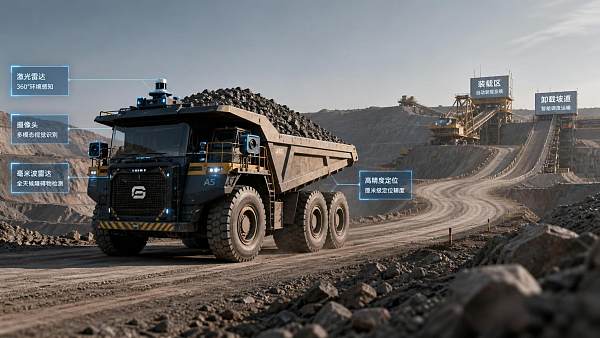
Heavy machinery intelligence uses GNSS, proximity systems, onboard cameras, and geofencing to show where machines are, where they should not be, and when movement patterns become unsafe.
Load and stability analytics
For crawler cranes, dump trucks, and excavators, load behavior is a safety issue before it is a productivity issue. Overload, unstable lifting geometry, uneven payload distribution, and repeated overtravel create risk gradually, then suddenly.
Data-driven stability checks help teams compare planned limits with actual operation. That is far more reliable than relying on paperwork alone.
Predictive maintenance tied to operating reality
Traditional maintenance intervals miss a basic fact: two similar machines can age very differently under different haul cycles, geology, or climate stress.
Heavy machinery intelligence improves maintenance timing by linking wear signals to actual duty cycles. That lowers the chance of running high-risk components beyond safe performance margins.
Operational traceability
When an incident or near miss occurs, teams need more than a verbal account. Traceable records show what the machine did, what alarms appeared, how long deviations lasted, and whether site controls were followed.
That makes root-cause analysis sharper and future prevention more realistic.
How intelligence differs across machine categories
The core idea stays the same, but the data emphasis changes by equipment type and construction method.
This variation explains why a generic dashboard rarely delivers enough value. Effective heavy machinery intelligence is specialized, and the specialization should reflect how each machine interacts with terrain, material, and task sequence.
What to look for in practical use
In real operations, the strongest programs do not chase every available metric. They identify the signals that change action on site.
- Prioritize leading indicators, not only failure records or utilization summaries.
- Link equipment data with site method statements, lift plans, geology logs, and haul-road inspections.
- Set alarm logic around operating context, not factory thresholds alone.
- Use the same data model across maintenance, operations, and safety reviews.
- Check whether reports support fast field decisions, not just monthly management reviews.
Usually, the best outcome comes from combining real-time alerts with structured review cycles. Immediate warnings prevent acute events. Trend analysis prevents repeat exposure.
Where many deployments fall short
A common mistake is treating heavy machinery intelligence as a software purchase instead of an operating model. Data gets collected, but ownership remains unclear. Teams receive alerts, but nobody trusts the thresholds. Reports grow, while field response stays slow.
Another issue is poor integration between technical and commercial thinking. A safer fleet is also a more stable fleet, but only when maintenance planning, spare strategy, and project sequencing are aligned.
This is where intelligence-led assessment becomes more useful than isolated reporting. Market signals, raw material availability, energy transition policy, and equipment evolution trends can change which machines are suitable for future bids and which operating assumptions are no longer safe.
A better way to evaluate the next step
A sensible next move starts with a narrow review rather than a full digital overhaul. Identify one high-consequence workflow, such as crane lifting, tunnel advance, pit loading, or downhill haulage. Then map the decisions that currently rely on incomplete visibility.
From there, evaluate whether the available data is timely, contextual, and actionable. If it cannot explain why conditions are drifting, it will not improve safety in a meaningful way.
Heavy machinery intelligence delivers its strongest return when it connects three questions clearly: what the machine is doing, what the site condition means, and what response should happen next. For organizations tracking global infrastructure delivery, that connection is becoming a basic requirement rather than an advanced option.
A practical benchmark is to compare equipment data architecture against project risk exposure, maintenance criticality, and upcoming technology shifts. That creates a stronger basis for deciding where to deepen monitoring, where to standardize controls, and where strategic intelligence should guide fleet planning next.
Related News
 Sep 19, 2026Mining Truck Technology Trends: What Fleet Managers Should Prioritize for 2026Mining truck technology trends for 2026: prioritize electrification, autonomy, predictive maintenance, and road intelligence to improve fleet uptime, safety, and cost control.
 Sep 17, 2026How TBM Guidance Technology Maintains Alignment Through Curves and Variable GroundTunnel boring machine guidance technology helps teams maintain precise alignment through curves and variable ground, reducing risk, improving lining accuracy, and protecting schedules.
 Sep 16, 2026Infrastructure Equipment Market Reference: Demand, Pricing, and Supplier BenchmarksInfrastructure equipment market reference for buyers: assess demand signals, total cost, pricing risks, and supplier benchmarks for tunnels, mining, cranes, and road projects.
 Sep 15, 2026How to Evaluate Infrastructure Equipment Suppliers for Complex Project RequirementsInfrastructure equipment solutions supplier evaluation guide for complex projects: assess technical fit, lifecycle cost, reliability, local support, and contract risk.
Heavy Haulage Strategist
Weekly Insights
Stay ahead with our curated technology reports delivered every Monday.