
Mining Equipment Performance Metrics: How to Compare Payload, Uptime, Fuel Burn, and Maintenance
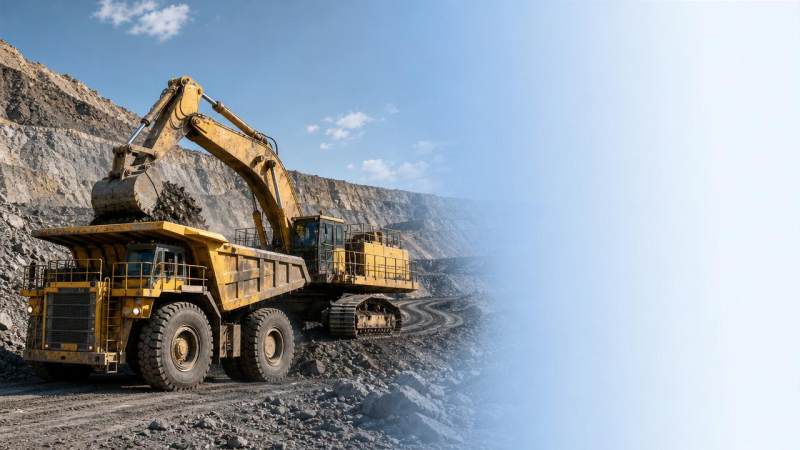
For procurement teams, comparing mining equipment performance goes far beyond headline specs. Payload, uptime, fuel burn, and maintenance costs directly shape total cost of ownership, fleet productivity, and project risk.
In real mining operations, one machine can look cheaper on paper yet cost more every month. That is why a practical view of mining equipment performance matters more than a brochure comparison.
At TF-Strategy, this kind of evaluation sits at the center of heavy-industry intelligence. Across open-pit mines, TBM logistics, crawler crane support, and heavy haulage planning, physical machine data only becomes useful when it is tied to operating conditions and commercial outcomes.
The goal is simple: compare machines in the same job reality, not in ideal test conditions. That makes the buying decision clearer, faster, and easier to defend later.
Start with the operating context, not the catalog
Before looking at payload or fuel figures, define the actual haul profile. Grade, rolling resistance, altitude, temperature, shift length, and loading match all change mining equipment performance in the field.
A 100-ton truck in a shallow, dry pit behaves very differently from the same model in heat, mud, and high altitude. If the context is wrong, every later comparison becomes misleading.
- Define haul distance, road condition, elevation, and average queue time before comparing units. This baseline keeps mining equipment performance discussions tied to real production, not sales assumptions.
- Separate short-term peak output from sustained output across full shifts. A machine may post strong demo numbers yet lose value when heat, operator changes, and congestion appear.
- Check loading-tool compatibility early. Excavator bucket pass match affects cycle balance, fuel use, tire wear, and actual payload consistency more than many buyers expect.
- Use at least one comparable site reference from similar geology and weather. This is especially useful when published mining equipment performance data looks unusually optimistic.
Why site matching changes the result
In mixed fleets, the best machine is not always the biggest or newest one. It is the unit that fits dispatch rhythm, road design, maintenance capability, and operator skill without creating bottlenecks.
TF-Strategy often highlights this across global heavy equipment segments. Whether the machine is a mining dump truck or a support unit for large infrastructure, performance only means something when the whole system can absorb it.
Compare payload the right way
Payload is usually the first number people notice, but it is also one of the easiest to misunderstand. Rated payload is not the same as average productive payload.
What matters is how often the machine carries target load without overloading, spillage, frame stress, or cycle-time penalties. Good mining equipment performance comes from repeatability, not isolated maximums.
- Ask for average payload distribution, not just rated capacity. Repeated underloading quietly reduces tons moved, while repeated overloading raises structural wear and unplanned downtime risk.
- Review pass-match efficiency between loader and truck. Too many passes slow cycles; too few passes increase loading inconsistency and reduce real mining equipment performance.
- Check how payload changes across road grades and weather conditions. Wet material, loose haul roads, and altitude often reduce useful carrying efficiency.
- Request onboard weighing accuracy and calibration routines. Weak payload measurement creates bad dispatch data and distorts any TCO comparison later.
A common buying mistake
A larger nominal payload can look attractive, but if the haul road cannot support consistent speed or turning radius, that extra capacity never becomes real output.
In that case, the bigger unit may consume more fuel and increase tire costs while delivering only marginal production gains. That is poor mining equipment performance, even if the specification sheet looks impressive.
Treat uptime as a quality metric, not just a percentage
Uptime can be presented in flattering ways. Some reports exclude waiting parts, shift-change delays, or short stoppages. Always ask how uptime is defined and measured.
Useful mining equipment performance analysis splits uptime into mechanical availability, operational availability, and productive utilization. Those three numbers tell a much fuller story.
- Request twelve-month availability records from comparable sites. Seasonal heat, mud, and cold can reveal weak components that short pilot trials never expose.
- Separate scheduled maintenance from failure-related downtime. High planned service hours may be acceptable; repeated unscheduled stops usually damage mining equipment performance and contract reliability.
- Check mean time between failures and mean time to repair. A unit with quick repairs may outperform one with fewer but longer failures.
- Review local parts coverage and field-service response times. Strong machine design still loses value if critical parts wait weeks at a remote mine.
Where uptime risk often hides
Remote mines often focus on engine and hydraulic reliability, but electronics, sensors, braking systems, and cooling packages cause just as many expensive interruptions.
This becomes even more important as fleets move toward digital diagnostics, remote operation, and lower-emission platforms. TF-Strategy tracks these shifts because they change both procurement criteria and lifetime support risk.
Look at fuel burn per productive ton, not per hour alone
Hourly fuel burn is useful, but it is not enough. A machine can burn more fuel per hour and still be cheaper per ton if it moves more material consistently.
The better measure is fuel burn per productive ton or per ton-kilometer. That puts mining equipment performance and operating cost into the same frame.
- Compare liters per productive ton under matched site conditions. This removes the distortion caused by different cycle times, idle patterns, and road quality.
- Ask for idle-time percentage and engine load distribution. A large share of fuel waste comes from queuing, waiting, and poorly coordinated dispatch, not engine inefficiency alone.
- Check whether eco modes reduce output in demanding gradients. Lower fuel numbers mean little if the machine loses production during peak haul periods.
- Include fuel sensitivity in cost scenarios. Even small price increases can sharply change the ranking between similar models over a multi-year contract.
Maintenance cost needs more detail than a service interval
A long maintenance interval looks good, but it does not automatically mean lower cost. Parts pricing, labor hours, access design, and failure patterns matter just as much.
When comparing mining equipment performance, maintenance should be broken into routine service, wear parts, major component life, and diagnostic support.
- Build a maintenance model that includes labor, consumables, wear parts, major rebuilds, and service travel. Simple hourly estimates often miss the most expensive ownership items.
- Check access points for filters, coolers, and daily inspections. Easy service design reduces labor time, improves compliance, and supports stable mining equipment performance.
- Review component life assumptions for transmissions, engines, suspensions, and braking systems. These numbers can vary sharply between applications and directly affect lifecycle cost.
- Confirm whether telematics and predictive maintenance tools are included, optional, or subscription-based. Hidden software costs can weaken a seemingly competitive offer.
When low maintenance cost is misleading
Sometimes a quote shows very low service cost because it excludes downtime labor, emergency freight, or premature wear in harsh conditions. That is not a savings. It is a delayed surprise.
A better comparison uses cost per operating hour and cost per productive ton, then stress-tests both under tougher-than-normal conditions.
Use a simple decision frame before making the shortlist
Too much data can slow the decision. A short, disciplined scorecard keeps mining equipment performance evaluation practical and comparable across vendors.
- Weight payload, uptime, fuel burn, and maintenance against site priorities. In some mines, uptime dominates; in others, fuel or tire cost drives the business case.
- Use the same assumptions for every candidate machine. Changing haul distance, utilization, or fuel price between models weakens the integrity of the comparison.
- Include support strength as a scored factor. Dealer depth, diagnostics capability, and parts reach often decide real mining equipment performance after delivery.
- Run base-case, high-stress, and fuel-price-up scenarios. This shows which machine stays economically resilient when conditions stop being ideal.
A quick field example
In a high-altitude open-pit operation, a truck with slightly lower rated payload may still win if its cooling system, braking durability, and fuel efficiency remain stable across long downhill cycles.
That kind of result matters beyond mining alone. The same decision logic appears across heavy-equipment sectors tracked by TF-Strategy, where power, precision, uptime, and lifecycle cost all shape infrastructure delivery quality.
What to verify before final approval
Before moving forward, pause and challenge the numbers one more time. Most expensive errors in mining equipment performance evaluation come from untested assumptions, not missing data.
- Confirm data sources for every key metric. Factory tests, dealer estimates, and site logs should not be treated as equally reliable evidence.
- Ask which conditions void the quoted performance. Tire choice, operator training, haul-road quality, and maintenance discipline can all change the final outcome.
- Review contract language around uptime guarantees, parts availability, and technical support response. Commercial terms should support the promised mining equipment performance.
- Document the reason for selection in measurable terms. This makes future audits, fleet expansion, and replacement planning much easier.
The strongest equipment decision usually comes from a simple question: which machine delivers dependable tons at the lowest realistic lifecycle cost under this exact site condition?
If that question guides the review, mining equipment performance becomes easier to compare and far more useful in practice. The next step is to turn vendor claims into a side-by-side site-based model, then test the result against real operating risk before signing.
Related News
 Oct 21, 2026Choosing Tunneling Equipment for the Middle East: Rock, Soil, and GroundwaterCompare underground tunneling equipment Middle East projects need. Explore rock, soil, groundwater, and TBM options to reduce risk and make confident procurement decisions.
 Oct 20, 2026Which Heavy Machinery Maintenance Standards Apply to Your Construction Fleet?Discover which heavy machinery maintenance standards apply to your fleet. Clarify legal duties, OEM requirements, and inspection rules to reduce risk and keep equipment ready for work.
 Oct 19, 2026Sizing Industrial Hydraulic Power Packs: Pressure, Flow, and Duty CycleSize industrial hydraulic power packs with confidence. Learn how pressure, flow, and duty cycle affect performance, energy costs, and heat control—and avoid costly sizing mistakes.
 Oct 18, 2026How Equipment Specifications Affect Purchase, Installation, and Operating CostsExplore equipment specification planning cost factors that shape purchase, installation, and operating budgets. Compare lifecycle costs, avoid oversizing, and buy with confidence.
Heavy Haulage Strategist
Weekly Insights
Stay ahead with our curated technology reports delivered every Monday.