
TBM construction methods that help avoid costly delays
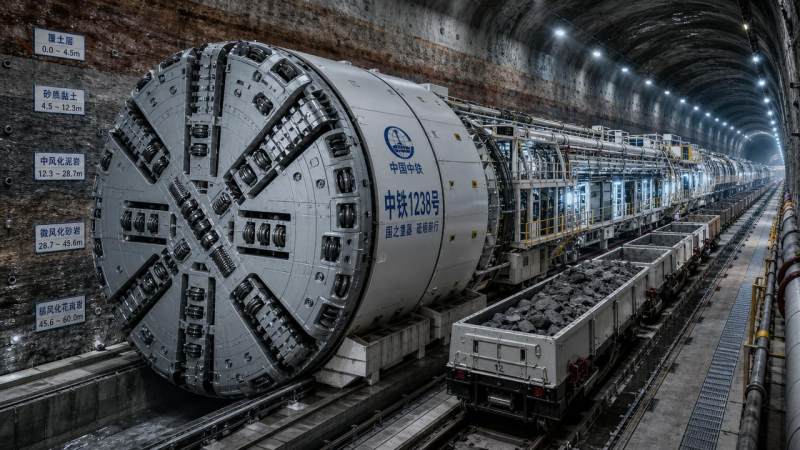
Costly tunneling delays often begin before excavation starts. In practice, TBM construction methods shape risk exposure, logistics flow, segment quality, and schedule reliability across complex underground projects.
For infrastructure teams, choosing the right TBM construction methods is not only a technical issue. It is also a strategic decision affecting downtime, claims, energy use, ground behavior, and total project cost.
Within global heavy industry, tunneling now sits beside mining, lifting, and transport as a discipline where precision decides margins. That is why structured analysis of TBM construction methods matters.
Core meaning of TBM construction methods
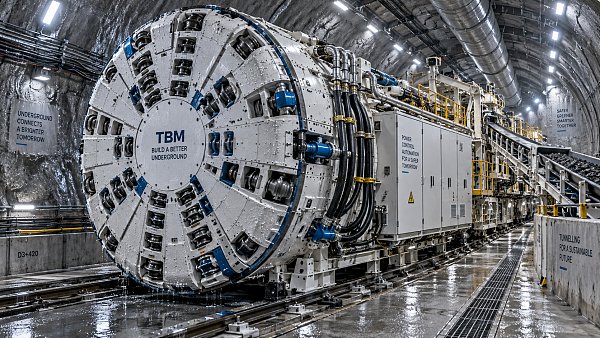
TBM construction methods refer to the organized procedures used to plan, launch, excavate, support, monitor, and complete machine-driven tunnels. They connect machine capability with geology, workforce coordination, and supply discipline.
These methods are not limited to cutterhead rotation or lining erection. They include shaft preparation, segment handling, spoil removal, grouting, guidance control, maintenance cycles, and emergency response planning.
A strong method reduces uncertainty by defining who does what, when, and under which operating limits. A weak method leaves crews reacting to conditions instead of controlling them.
Key elements usually covered
- Geological baseline and expected transitions
- TBM type selection and backup configuration
- Segment installation sequence and ring build tolerance
- Muck transport, ventilation, and utility routing
- Probe drilling, grouting, and water control
- Maintenance windows and cutter intervention strategy
Industry background and current focus areas
Global tunnel programs are growing in metros, mountain railways, water transfer systems, and utility corridors. At the same time, project owners expect tighter completion dates and lower lifecycle risk.
This pressure has increased attention on TBM construction methods that improve predictability. The goal is not simply faster advance. The goal is controlled advance with fewer disruptive surprises.
In this environment, well-designed TBM construction methods are becoming a practical defense against claims, rework, and emergency interventions.
TBM construction methods that reduce schedule disruption
Several methods consistently help avoid costly delays. Their value appears when geology changes suddenly, access is constrained, or the project depends on stable daily production.
1. Front-loaded geological verification
Baseline investigation is never enough by itself. Effective TBM construction methods extend verification through probe drilling, face mapping, groundwater checks, and update loops during excavation.
This method supports early response to voids, fault zones, abrasive bands, and water-bearing layers. Delays shrink when crews adjust before the machine becomes trapped by changing conditions.
2. TBM type and operating mode matching
Earth pressure balance, slurry, hard rock, and dual-mode machines require different operating logic. Matching the machine to the dominant risk profile remains one of the strongest schedule protections.
Even with the right machine, mode discipline matters. Overexcavation, unstable chamber pressure, or poor foam conditioning can create stoppages that spread through the entire construction sequence.
3. Ring-building precision and segment logistics
Many delay events begin at the lining stage. Segment damage, poor alignment, gasket issues, or inconsistent bolt tension can slow advance and create downstream waterproofing or geometry problems.
Reliable TBM construction methods define segment storage rules, lifting paths, erection checks, and backfill grouting windows. This keeps ring quality stable without sacrificing advance rhythm.
4. Planned cutterhead intervention strategy
Unexpected cutter wear is a classic delay driver. The best methods forecast wear by rock strength, abrasivity, penetration trends, vibration, and disc consumption history.
Interventions should be planned around safe access conditions, spare inventory, and defined trigger points. Unplanned stoppages usually cost more than shorter preventive maintenance windows.
5. Integrated spoil, utility, and backup train coordination
A TBM can only advance as fast as the tunnel can support it. Muck haulage bottlenecks, cable congestion, water management failures, or late train swaps often create hidden idle time.
Robust TBM construction methods synchronize excavation with transport capacity, ventilation, slurry circulation, and power continuity. This coordination protects productive hours shift after shift.
Business value across infrastructure delivery
The commercial value of better TBM construction methods is measurable. Reduced stoppages improve labor efficiency, lower standby cost, and protect milestone payments tied to program progress.
There is also strategic value. Stable tunneling performance improves confidence in adjacent packages such as shafts, stations, ventilation buildings, trackwork, and utility connection planning.
- Lower probability of emergency grouting or ground treatment
- Better control of segment consumption and rework rates
- Higher utilization of expensive heavy equipment assets
- More reliable forecasting of remaining tunnel duration
- Improved documentation for dispute prevention and claims defense
For intelligence-led engineering platforms such as TF-Strategy, these outcomes show how physical machine parameters and field method choices connect directly to strategic infrastructure execution.
Typical project scenarios and method priorities
Not all projects need the same emphasis. The best TBM construction methods are adapted to site constraints, geological volatility, and the consequences of delay.
Practical recommendations for field execution
To strengthen TBM construction methods, project teams should focus on decision timing as much as technical content. Delays often expand because warning signs were visible but not escalated quickly.
Recommended practice checklist
- Define geology-based trigger thresholds before launch.
- Link machine data with daily engineering review.
- Protect critical spares for cutterhead, seals, and electrical systems.
- Audit segment quality from factory to tunnel face.
- Schedule preventive maintenance around production reality, not paperwork.
- Keep contingency plans for water ingress, obstruction, and ground loss.
It is equally important to record interventions with discipline. Good records turn isolated incidents into operational intelligence that improves future TBM construction methods on the same corridor or region.
Action path for more reliable tunneling performance
The most effective next step is a structured review of existing TBM construction methods against actual delay sources. Compare planned sequences, machine data, geology updates, and ring-build performance.
Where recurring downtime appears, trace it to method gaps rather than isolated events. In many projects, the root cause is poor coordination between excavation, lining, maintenance, and logistics.
As underground programs become larger and more politically visible, TBM construction methods will remain central to delivery certainty. The projects that avoid costly delays are usually the ones that treat method design as core engineering, not secondary administration.
For organizations following global heavy equipment intelligence, this is the practical lesson: better TBM construction methods create stronger tunnels, steadier schedules, and better infrastructure economics from launch to breakthrough.
Related News
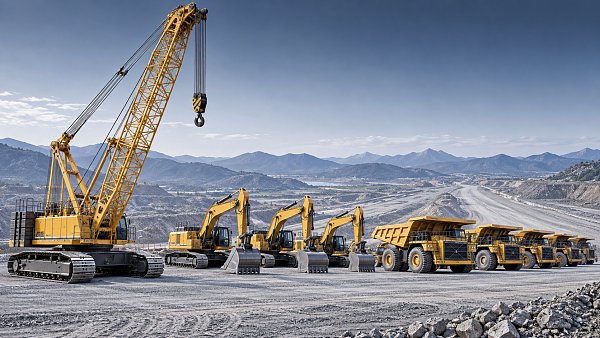
 Oct 09, 2026Ultra-Large Excavator Bucket Size: Capacity, Width, and Site Fit ExplainedUltra large excavator bucket size explained: compare capacity, width, payload, truck matching, and site conditions to select a reliable, high-productivity bucket.
 Oct 08, 2026How to Evaluate a Heavy Machinery Information Platform for Project Equipment SourcingHeavy machinery information platform guide: compare equipment fit, source reliability, lifecycle costs, supplier capability, and compliance to make smarter sourcing decisions.
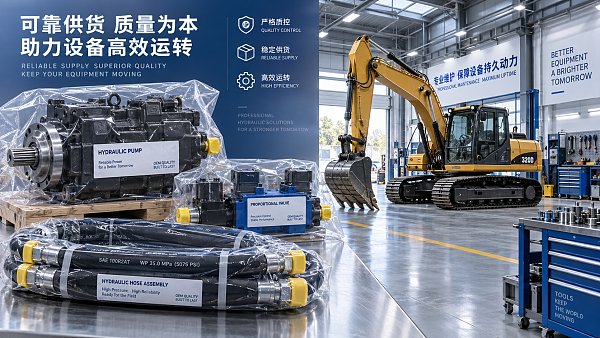
 Oct 07, 2026How to Evaluate a Hydraulic System Component Supplier for Heavy Equipment UptimeChoose a hydraulic system component supplier with proven quality, technical fit, and reliable delivery to reduce heavy equipment downtime and lifecycle costs.
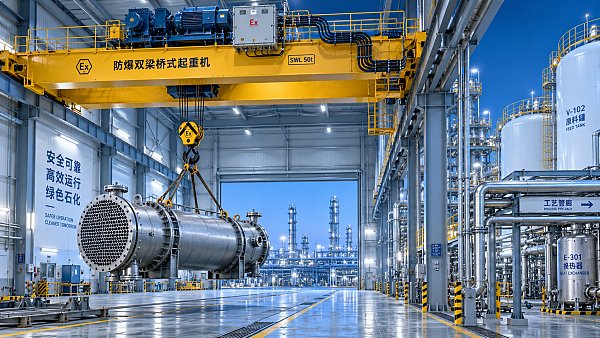
 Oct 06, 2026Selecting Petrochemical Overhead Cranes for Hazardous Areas and Heavy Process LoadsPetrochemical overhead cranes for hazardous areas: learn how to match capacity, duty, controls, corrosion protection, and maintenance access for safer, reliable lifts.


Geological Boring Fellow
Weekly Insights
Stay ahead with our curated technology reports delivered every Monday.