
Which tunnel boring machine parts fail first?
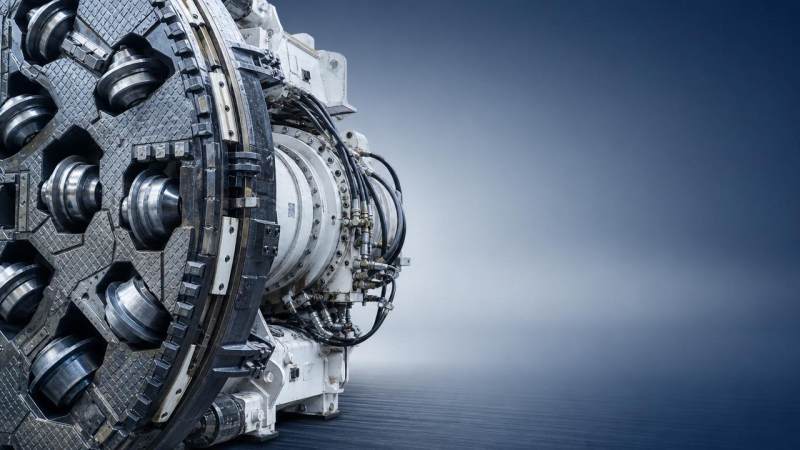
When a TBM slows, vibrates, or stops unexpectedly, the first question for maintenance teams is often the same: which tunnel boring machine parts are most likely to fail first? From cutterhead tools and main bearings to seals, hydraulic components, and conveyor systems, early failure patterns reveal where downtime risk truly begins. This guide helps aftermarket service personnel identify vulnerable components, understand common wear mechanisms, and prioritize inspection and replacement strategies before minor defects become costly project delays.
For service teams, the answer is rarely a single component. Failure sequence depends on geology, machine type, thrust strategy, slurry or EPB operation, advance rate, lubrication discipline, and spare parts readiness. Still, several tunnel boring machine parts consistently show earlier deterioration because they directly absorb rock impact, soil abrasion, heat, pressure, and contamination.
The First Failure Zone: Cutterhead Tools and Wear Protection
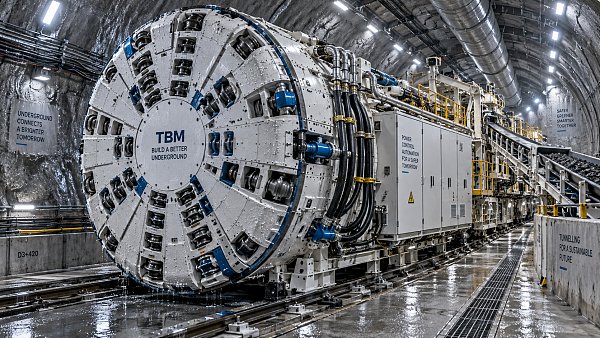
The cutterhead is usually the first area to show measurable degradation. Disc cutters, scrapers, rippers, buckets, wear plates, and mixing arms contact the ground before any other major assembly. In abrasive rock or mixed-face conditions, inspection intervals may shrink from several shifts to every 4–8 operating hours.
Disc cutters, scrapers, and edge tools
Disc cutters fail early because they face rolling contact stress, impact loading, and heat generation. Common symptoms include flat spots, ring cracking, abnormal rotation resistance, seal leakage, and uneven wear across the cutterhead radius.
Scrapers and soft-ground tools often wear faster in sandy soils with quartz content. A 5 mm–15 mm loss in scraper profile can reduce muck flow efficiency, raise torque demand, and accelerate wear on nearby tunnel boring machine parts.
Practical inspection triggers
- Torque rises by 10%–20% at similar penetration and face pressure.
- Cutter temperature is abnormal after one operating shift.
- Muck size changes suddenly, showing larger chips or poor conditioning.
- Vibration increases at the cutterhead drive without a corresponding geological change.
Maintenance teams should treat cutter tool replacement as a production-control activity, not only a repair task. Delaying one badly worn cutter can overload 3–5 adjacent positions and create a chain reaction across the cutterhead structure.
The following table summarizes early-failure patterns for high-exposure tunnel boring machine parts around the excavation face. It can support daily shift handover, spare planning, and risk communication between site and warehouse teams.
The key conclusion is clear: early failure at the face is often visible before catastrophic stoppage. If the crew records wear depth, torque change, and tool position history for at least 2–3 cycles, replacement timing becomes far more predictable.
Main Bearing, Seals, and Lubrication: High-Cost Parts That Must Not Be Ignored
Main bearings do not always fail first, but they are among the most expensive tunnel boring machine parts to repair. Early warning signs can appear months before functional failure, especially when sealing, lubrication, or contamination control is weak.
Why seals often fail before the bearing itself
Seals are the defensive barrier between the main bearing and hostile ground conditions. In slurry, EPB, or high-water-pressure drives, seal systems may face pressure fluctuations, abrasive particles, and chemical additives for 24 hours per day.
A damaged seal allows water, fines, or conditioning foam residue to enter lubrication areas. Once contamination reaches the bearing raceway, the damage path may move from minor pitting to overheating and vibration within a limited operating window.
Warning signals service teams should record
- Grease consumption deviates by more than 15% from the normal shift average.
- Water or fine particles appear in drained lubricant samples.
- Bearing temperature trends upward for 2–3 consecutive shifts.
- Vibration spectra show increasing low-frequency components.
- Seal pressure cannot be stabilized within the expected operating range.
Lubrication discipline is one of the simplest ways to extend main bearing life. Correct grease type, flow rate, clean transfer equipment, and scheduled sampling can prevent avoidable damage to these critical tunnel boring machine parts.
Aftermarket teams should also verify compatibility before replacing seal materials. Temperature range, chemical exposure, shaft speed, and pressure differential all matter, and a visually similar seal can perform very differently underground.
Hydraulic, Electrical, and Drive Components: Small Faults That Stop Big Machines
Hydraulic and electrical systems contain many tunnel boring machine parts that may not look dramatic, yet they can stop advance immediately. Pumps, valves, hoses, sensors, encoders, relays, and connectors often fail through contamination, heat, vibration, or moisture ingress.
Hydraulic pumps, hoses, and valve blocks
Hydraulic pumps frequently show early wear when oil cleanliness is poor. A common maintenance target is to maintain oil filtration within the specified cleanliness class and replace filters at planned intervals, often every 250–500 operating hours depending on system load.
Hoses are vulnerable to bending fatigue, abrasion, and pressure spikes. Service personnel should inspect clamps, routing, protective sleeves, and leak points. A hose that rubs steel for 2 weeks can fail faster than a pump operating under correct conditions.
Sensors, cables, and control cabinets
Electrical faults are often intermittent before they become permanent. Loose terminals, moisture in connectors, damaged shielding, or unstable power supply can create false alarms, cutterhead trips, steering errors, and conveyor stoppages.
Because TBM systems use hundreds or thousands of signal points, troubleshooting must be structured. A 6-step approach works well: confirm alarm history, isolate the circuit, inspect connectors, test voltage, verify sensor output, and document corrective action.
The table below helps prioritize replacement decisions for tunnel boring machine parts in hydraulic, drive, and control systems. It separates urgent stoppage risks from components that can be managed during planned maintenance windows.
A useful rule is to connect spare strategy to stoppage consequence, not only purchase price. A low-cost sensor can be more critical than a heavy structural part if it disables steering, pressure control, or interlock logic.
Conveyor, Screw, and Muck Handling Parts: Where Wear Becomes Production Loss
Muck removal parts often fail early because they handle abrasive, wet, sticky, or oversized material continuously. Belts, rollers, scrapers, screw conveyor flights, bearings, seals, and transfer chutes can turn a strong excavation shift into repeated stoppages.
Belt conveyor and transfer point failures
Conveyor belt damage usually starts with misalignment, trapped material, worn rollers, or poor scraper adjustment. If belt tracking deviates for several hours, edge wear and carcass damage can spread beyond a simple field repair.
Aftermarket technicians should check belt tension, roller rotation, chute liners, emergency pull cords, and scraper pressure at least once per shift. In long tunnels, a 30-minute conveyor stoppage can delay multiple upstream activities.
Screw conveyor wear in EPB machines
In EPB tunneling, screw conveyor flights, casing liners, gates, and seals are high-risk tunnel boring machine parts. Wear accelerates when conditioning is poor, boulders enter the chamber, or pressure control requires frequent gate adjustment.
- Inspect flight thickness and leading edges during planned access.
- Record drive torque trends across comparable soil sections.
- Check gate sealing surfaces for scoring or uneven closure.
- Review foam, polymer, or water dosage when muck consistency changes.
Muck handling failures are rarely isolated. Excessive cutterhead wear can create irregular material; poor conditioning can overload the screw; conveyor damage can force the machine to slow even when excavation systems remain healthy.
How to Prioritize Inspection and Replacement in Aftermarket Service
The best maintenance plans rank tunnel boring machine parts by failure probability, downtime consequence, inspection accessibility, and lead time. A part that takes 6–10 weeks to procure deserves attention even if it has not failed before.
A practical 5-level risk ranking
Service teams can classify components from Level 1 to Level 5. Level 1 covers routine consumables, while Level 5 covers parts whose failure can stop excavation, compromise safety, or require major disassembly.
- Level 1: common wear items replaced during normal shift maintenance.
- Level 2: parts with predictable wear and short replacement time.
- Level 3: components requiring planned shutdown and specialized labor.
- Level 4: long-lead parts affecting production continuity.
- Level 5: mission-critical assemblies such as main bearing, drive units, and seal systems.
Spare parts planning criteria
A practical spare list should include at least 4 decision factors: expected consumption, replacement difficulty, supplier lead time, and impact on safety or advance rate. Price alone is not a reliable guide.
For cutter tools, projects often need rolling forecasts based on meters advanced, geological zones, and actual wear. For hydraulic and electrical items, historical alarm data and failure records may be more useful than theoretical life estimates.
Digital maintenance records add major value when they are simple and consistent. Recording component position, operating hours, fault code, corrective action, and photo evidence creates a database that improves each replacement decision.
Common Misdiagnoses That Increase TBM Downtime
Some failures are misread because the visible symptom appears far from the root cause. A conveyor overload may start at the cutterhead. A seal problem may appear as abnormal lubrication demand. A steering alarm may originate from an unstable sensor cable.
Mistake 1: Replacing parts without trend data
Replacing tunnel boring machine parts only after visible damage often increases cost. Trend data from torque, pressure, temperature, vibration, and oil analysis gives maintenance teams a 2–4 step view of deterioration before stoppage.
Mistake 2: Treating identical-looking parts as interchangeable
A seal, bearing, valve, or sensor may match dimensionally but fail under different pressure, temperature, or contamination conditions. Aftermarket procurement should confirm material grade, tolerance, interface requirements, and operating environment.
Mistake 3: Ignoring installation quality
Even a correct part can fail early if installation is poor. Bolt torque, cleanliness, alignment, lubrication, cable routing, and commissioning checks should be treated as part of the component specification, not as secondary site habits.
A useful aftermarket checklist includes 6 items: part verification, surface inspection, tool readiness, torque procedure, functional test, and shift handover note. This reduces repeat failures after urgent replacements.
What Maintenance Teams Should Do Next
The tunnel boring machine parts most likely to fail first are typically cutterhead tools, wear protection, seals, hydraulic hoses, sensors, and muck handling components. However, the most expensive risk often develops quietly inside bearings, drives, and lubrication systems.
For aftermarket service personnel, the priority is to combine field inspection with operating data. Use short inspection cycles for high-wear face tools, structured sampling for lubrication systems, and documented troubleshooting for hydraulic and electrical faults.
TF-Strategy supports heavy equipment teams with intelligence on TBM maintenance priorities, component evolution, project risk, and procurement decision logic. Our focus is to connect physical machine behavior with practical service planning and lower total cost of ownership.
If your team is building a spare parts strategy, reviewing failure patterns, or preparing for a demanding tunnel drive, contact TF-Strategy to discuss product details, maintenance intelligence, and customized solutions for critical tunnel boring machine parts.
Related News
 Oct 12, 2026How to Assess a High-Altitude Mining Equipment Manufacturer for Remote ProjectsHigh altitude mining manufacturer assessment guide: compare derating, cold-climate reliability, remote service, parts resilience, and lifecycle risk for smarter project decisions.
 Oct 11, 2026What Drives TBM Cutter Head Material Cost and Life-Cycle Value?Cutter head material cost explained: compare TBM alloys, wear protection, downtime risk, and life-cycle value to choose the most reliable, cost-effective solution.
 Oct 12, 2026How to Read Mining Equipment Performance Reviews Beyond Headline MetricsMining equipment performance reviews explained: learn to assess productivity, availability, maintenance risk, site conditions, and total ownership cost for smarter fleet decisions.
 Oct 11, 2026Payload Management Systems: Preventing Overloads Without Slowing ProductionPayload management helps prevent overloads, protect equipment, and keep production moving. Learn how accurate targets, pass planning, alerts, and calibration improve every load.

Geological Boring Fellow
Weekly Insights
Stay ahead with our curated technology reports delivered every Monday.