
When industrial lifting technology becomes a safety liability
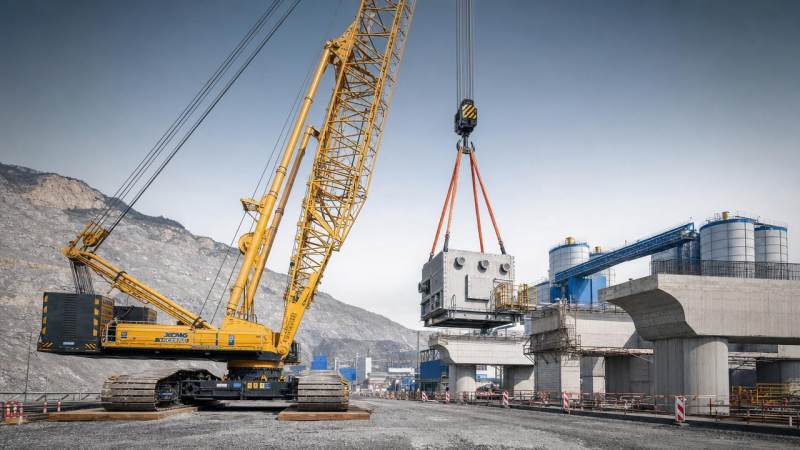
When industrial lifting technology begins to outpace risk controls, it can quickly shift from productivity asset to safety liability. For quality control and safety managers, understanding how design limits, maintenance gaps, operator behavior, and site conditions interact is essential to preventing failures. This article examines where industrial lifting technology creates hidden exposure and how stronger inspection, compliance, and operational discipline can reduce incidents in high-stakes heavy equipment environments.
In sectors such as open-pit mining, tunnel construction, petrochemical installation, wind power erection, and large civil infrastructure, lifting systems are no longer simple support tools. They are integrated with digital monitoring, variable load charts, hydraulic control systems, remote diagnostics, and increasingly complex project schedules.
That complexity creates a new challenge for safety and quality teams. A crawler crane, gantry arrangement, hoist assembly, or heavy lifting attachment may appear compliant on paper, yet still create unacceptable exposure if inspection intervals are too long, ground conditions change within 24 hours, or operators rely on habit rather than live parameters.
For organizations following heavy equipment intelligence from platforms such as TF-Strategy, the real priority is not only lifting capacity. It is whether industrial lifting technology can remain predictable under real operating stress, including wind shifts, multi-shift fatigue, component wear, logistics pressure, and demanding delivery milestones.
Why advanced lifting systems can become a hidden safety liability
Industrial lifting technology is often adopted to improve reach, speed, precision, and installation efficiency. In heavy industry, these gains are significant. A modern lifting setup can shorten assembly windows by 10%–25% and reduce repositioning cycles across a 2–5 day heavy installation sequence.
However, every productivity gain adds dependency on system integrity. Once projects exceed 50-ton, 200-ton, or ultra-heavy modular lift thresholds, failure modes become less forgiving. Small deviations in boom angle, outrigger support, wire rope condition, or rigging selection can escalate quickly into dropped loads, structural overload, or near-miss events.
The gap between rated capacity and safe operating reality
A recurring issue in industrial lifting technology is the false confidence created by rated load figures. Capacity charts are based on defined conditions: level ground, specified boom length, controlled radius, verified counterweight configuration, and standard wind assumptions. Real sites rarely remain within those ideal boundaries for a full shift.
For safety managers, the risk appears when a lift plan treats the maximum chart value as an operational target rather than a planning ceiling. Many contractors now use internal thresholds of 75%–85% of rated capacity for routine lifts and apply additional review once the expected load exceeds that range.
Common sources of hidden overload
- Load weight estimates that exclude rigging, spreader bars, lifting beams, or trapped materials
- Radius changes of 0.5–2 meters during slewing or positioning
- Dynamic loading caused by sudden starts, stops, or snagging
- Ground settlement under tracks, mats, or supporting points
- Wind gusts above planned limits, especially for long or irregular loads
In mining and large infrastructure work, these factors are especially relevant because lifts often occur on temporary surfaces, at altitude, or under compressed schedules. A technical file may be complete, but if conditions shift faster than the control process, industrial lifting technology becomes a liability instead of a safeguard.
Where quality control and safety oversight most often break down
The breakdown is rarely caused by a single defect. Most incidents emerge from 3–5 interacting weaknesses: incomplete pre-lift verification, delayed maintenance, weak communication between lifting and civil teams, inconsistent operator competency, and poor escalation when anomalies appear.
The table below outlines how typical exposure points develop in heavy lifting environments and what QC and safety managers should treat as early warning signals.
The key pattern is that technical capability alone does not control risk. Industrial lifting technology performs safely only when engineering assumptions, field conditions, and human execution remain aligned. Once one layer weakens, the whole lifting system becomes less predictable.
Inspection, maintenance, and compliance: the controls that matter most
For quality control and safety managers, the most effective way to reduce lifting incidents is to strengthen the discipline around inspection and maintenance. This is especially important for crawler cranes and heavy lifting systems that operate in dust, vibration, temperature swings, and continuous-duty environments.
A common weakness is relying on generic service intervals. In practice, industrial lifting technology used in mining or infrastructure projects may need condition-based checks every shift, every 250 operating hours, and before any critical lift involving high-value modules or constrained positioning.
What should be checked before a high-risk lift
Not every lift requires the same level of scrutiny. Safety teams often classify operations into routine, complex, and critical categories. A critical lift may involve one or more factors such as load utilization above 85%, tandem operations, restricted clearances below 1 meter, night work, or wind-sensitive components.
- Confirm actual lifted mass, including all rigging accessories and any fluid or residue inside the load.
- Review lift radius, boom configuration, counterweight setup, and travel path against current site conditions.
- Inspect ropes, hooks, sheaves, brakes, hydraulic lines, pins, and load-moment indicators.
- Verify ground preparation, mats, drainage, and exclusion zones.
- Conduct a toolbox talk with operators, riggers, signalers, and supervisors before authorization.
If any one of these five steps is incomplete, the safest response is delay, not improvisation. In high-consequence lifts, a 30-minute pause is usually cheaper than a damaged module, a failed component, or a regulatory investigation lasting several weeks.
Maintenance indicators that are too often underestimated
Some warning signs look minor until combined with load stress. A slow hydraulic response, inconsistent winch sound, visible corrosion, localized wire rope flattening, or undocumented sensor override may not stop production immediately. Yet each one increases uncertainty in industrial lifting technology during peak demand.
The table below summarizes practical maintenance and compliance checkpoints that can help safety managers prioritize action without overcomplicating field execution.
This approach supports both compliance and operational continuity. It also creates traceability, which is critical when quality teams need to prove that equipment condition, not assumption, formed the basis of lift approval.
Human factors, site conditions, and the limits of automation
Digital controls have improved visibility, but automation does not eliminate judgment risk. Modern industrial lifting technology may include load indicators, anti-two-block systems, remote monitoring, and fault alarms, yet these systems still depend on calibration, correct setup, and user response.
In other words, intelligent equipment can detect many deviations, but it cannot fully replace disciplined supervision. Quality control and safety leaders should expect the highest exposure where automated features create overconfidence instead of stronger verification.
Behavioral triggers that increase lifting risk
- Operators normalizing alarms because previous lifts ended without incident
- Supervisors compressing setup or inspection time to recover schedule delays of 4–8 hours
- Riggers accepting unclear hand signals or radio interference in noisy environments
- Teams bypassing revised lift plans after route or weather changes
These are not rare problems. They appear most often in repetitive heavy industrial work, where experience is high but vigilance can decline. A crew that has completed 20 successful lifts may actually need more active challenge, not less, because familiarity reduces perceived risk.
Environmental variables that change faster than plans
Site conditions can undermine industrial lifting technology even when the machine itself is in good condition. Sudden rain changes soil strength. Temperature swings affect hydraulic behavior. High-altitude work can alter engine performance. Gusting wind can turn a stable lift into a control problem within seconds.
For projects involving long components such as wind tower sections, pipe racks, or tunnel support modules, wind management deserves special emphasis. Many contractors define operational wind thresholds by lift category and require reassessment when gusts approach limit values rather than waiting for exceedance.
Field controls that improve decision quality
- Use a formal go/no-go checklist before every complex lift.
- Set hold points for weather, ground condition, and route changes.
- Require dual review for lifts above internal criticality thresholds.
- Document all overrides, deviations, and temporary repairs within the same shift.
These measures are practical because they focus on decision quality, not bureaucracy. The objective is to ensure that industrial lifting technology remains controlled across variable site realities, especially in projects where one failed lift can disrupt an entire installation sequence.
How safety and QC managers can build a more resilient lifting assurance framework
An effective lifting assurance framework combines engineering review, equipment condition control, competency management, and real-time site governance. The best systems do not depend on one expert or one document. They create repeatable decision logic across multiple projects, contractors, and equipment types.
For organizations operating around crawler cranes, mining support lifts, modular construction, and large infrastructure assets, the most useful framework usually has 4 layers: planning, verification, execution, and feedback. Each layer should have named responsibilities and measurable triggers.
A practical 4-layer control model
- Planning: define load data, lift path, configuration, exclusion zone, and weather criteria 24–72 hours ahead.
- Verification: confirm machine condition, certifications, ground readiness, and competency records before authorization.
- Execution: maintain communication discipline, stop-work authority, and live monitoring during the lift window.
- Feedback: record deviations, near misses, repair findings, and lessons learned within 48 hours.
This model is valuable because it converts industrial lifting technology from a machine-centered topic into a system-centered control process. That shift matters in heavy industry, where the same crane can perform safely on one site and become a major exposure on another.
Questions buyers and project leaders should ask before approving equipment
Safety performance begins long before the first lift. Procurement, project controls, and equipment managers should ask whether the selected solution matches the actual duty profile. A lower purchase price may create a higher total cost of control if inspection access is poor, parts lead times exceed 2–4 weeks, or telemetry is too limited for remote diagnostics.
- Is the configuration suitable for expected load range, radius, and surface conditions?
- What are the inspection access points for ropes, pins, hydraulics, and structural joints?
- How quickly can critical replacement parts be supplied during a shutdown event?
- Are operator training, lift planning support, and maintenance guidance included in deployment?
For intelligence-led organizations such as TF-Strategy readers, these questions matter because heavy equipment value is not defined by lifting power alone. It is defined by safe uptime, predictable compliance, and reduced disruption across complex infrastructure delivery programs.
From productivity tool to controlled asset
Industrial lifting technology becomes a safety liability when capacity, speed, and automation advance faster than the site’s ability to inspect, verify, and intervene. The solution is not to reject advanced systems. It is to manage them with tighter thresholds, better maintenance intelligence, clearer accountability, and stronger field discipline.
For quality control personnel and safety managers in mining, tunneling, energy, and heavy construction, the most reliable risk reduction comes from linking equipment data with lift planning, operating behavior, and changing site conditions. That is where real prevention happens.
If your team is evaluating lifting risk in high-stakes heavy equipment environments, or needs deeper decision support on crawler cranes, heavy haulage, and infrastructure machinery trends, now is the right time to strengthen your control framework. Contact us to discuss project-specific insights, request a tailored risk review, or learn more solutions for safer heavy lifting operations.
Related News
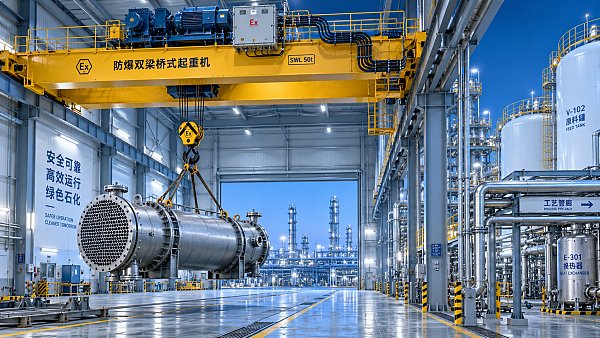
 Oct 06, 2026Selecting Petrochemical Overhead Cranes for Hazardous Areas and Heavy Process LoadsPetrochemical overhead cranes for hazardous areas: learn how to match capacity, duty, controls, corrosion protection, and maintenance access for safer, reliable lifts.
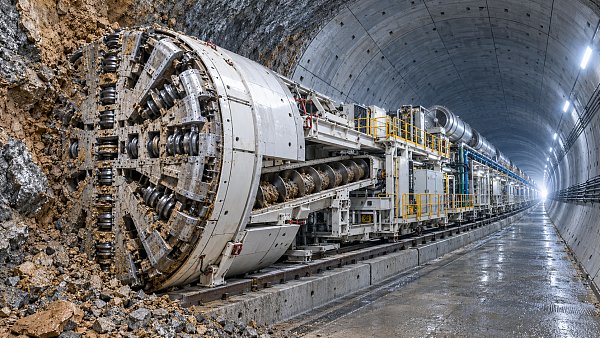
 Oct 05, 2026Tunneling Equipment Specification Planning: Key Criteria for Ground and Project RisksEquipment specification planning tunneling: learn how to match TBM systems to ground risks, geometry, safety, logistics, and lifecycle cost for more reliable project delivery.
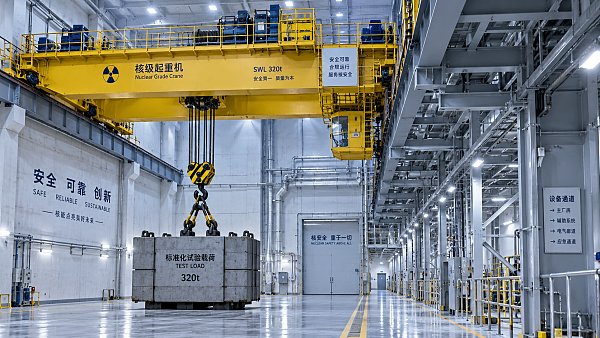
 Oct 04, 2026Nuclear Lifting Equipment Cost: Budgeting for Compliance, Testing, and Lifecycle RiskNuclear lifting equipment cost explained: budget for compliance, proof-load testing, installation, documentation, and lifecycle risk to make confident procurement decisions.
 Oct 03, 2026How to Assess TBM Manufacturers for Hard-Rock Tunneling Projects?Choose the right tunnel boring machine manufacturer for hard-rock projects. Explore key criteria for design, lifecycle cost, factory quality, and service support.
Structural Load Expert
Weekly Insights
Stay ahead with our curated technology reports delivered every Monday.