
Crawler Cranes for Sale: How to Compare Lifting Capacity, Boom Length, and Total Cost
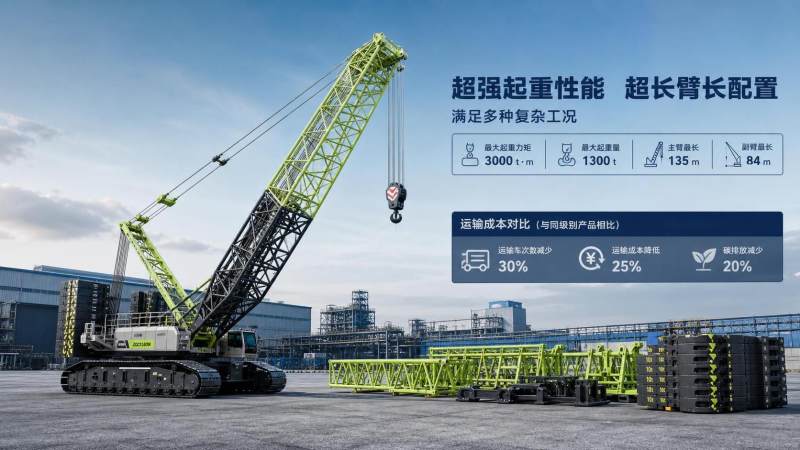
Why do crawler cranes for sale need deeper comparison than headline tonnage?
Many listings for crawler cranes for sale highlight one number first: maximum lifting capacity. That number matters, but it rarely tells the full buying story.
In real heavy-lift projects, the useful value of a crane depends on radius, boom configuration, transport constraints, site setup time, and total operating cost.
A 600-ton crawler crane can underperform a smaller unit if the lift chart does not match the actual working radius or hook height.
That is why buyers searching crawler cranes for sale usually move from simple specification review to application-based comparison.
Within global infrastructure, this matters even more. Wind projects, petrochemical construction, nuclear work, and modular lifting all punish weak assumptions.
TF-Strategy often frames crawler cranes as the steel backbone of complex engineering, where physical parameters must connect with project method, logistics, and commercial risk.
So the practical question is not just which crawler cranes for sale look impressive on paper. It is which machine fits the job without creating hidden cost later.
When comparing lifting capacity, what should you actually look at?
The safest approach is to treat rated capacity as a starting point, not a decision point.
For crawler cranes for sale, effective lifting capacity changes with boom length, operating radius, counterweight, jib arrangement, and ground conditions.
In practice, the lift chart is more important than the headline capacity class. A crane may carry a strong nominal rating but lose working capacity quickly at longer radius.
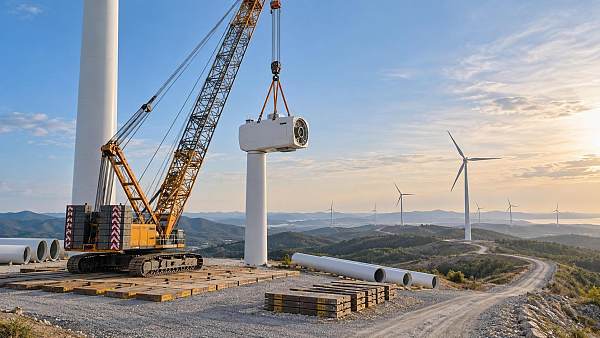
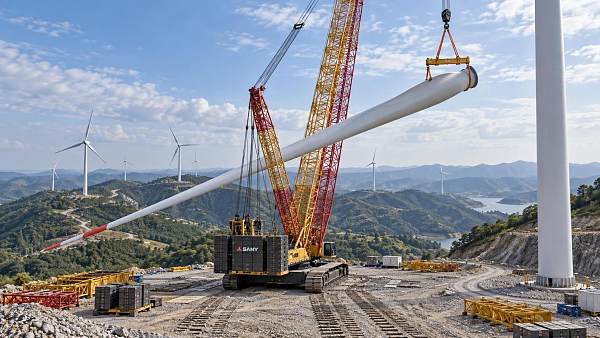
This is especially relevant for wind turbine erection, where component weights, hub height, and narrow weather windows leave little room for overestimation.
A better review process includes these checks:
- Compare load chart values at the real working radius, not the shortest radius.
- Check whether the required lift uses main boom, luffing jib, or fixed jib.
- Confirm hook height with rigging allowance, not just boom tip height.
- Review derating caused by wind, site slope, or partial counterweight options.
- Ask whether transport limits will force a different field configuration.
A common mistake is choosing excess nominal capacity for comfort. That can increase transport, assembly, and idle cost without adding real project benefit.
A second mistake is sizing too tightly. If lifts sit near chart limits, project delays and safety restrictions rise quickly.
Is boom length just a reach issue, or does it change the whole buying decision?
Boom length changes far more than reach. It affects crane class selection, lift planning flexibility, transport loads, and even the number of field crews required.
For many crawler cranes for sale, a longer boom package expands project coverage but can also reduce usable capacity at certain radii.
That trade-off matters in mixed portfolios. One contractor may need the same crane for refinery modules one month and wind components the next.
In that situation, boom system versatility may create more value than the biggest possible base machine.
It helps to separate three questions:
- How much hook height is required for the tallest lift?
- How often will long-boom configuration actually be used?
- Does the boom package create extra logistics cost across multiple projects?
More often than expected, the most economical answer is not the longest boom available. It is the configuration that covers most lifts with the least assembly burden.
That is also where intelligence-led sourcing becomes useful. TF-Strategy’s sector view connects equipment geometry with project method, not just catalog dimensions.
How can you compare crawler cranes for sale without missing hidden cost drivers?
The purchase price is only one layer. For crawler cranes for sale, total cost usually depends more on transport, setup, support, utilization, and downtime exposure.
This becomes obvious on geographically dispersed jobs, where each mobilization requires permits, trailers, assembly support, and schedule coordination.
The table below helps structure comparison beyond headline pricing.
If two crawler cranes for sale look similar on lifting charts, the better choice often comes from this cost structure rather than from capacity alone.
What mistakes show up most often when reviewing crawler cranes for sale?
One frequent error is buying for the biggest possible lift instead of the most common lift profile.
That sounds conservative, but it can create a fleet asset that is expensive to move and underused for most of the year.
Another issue is comparing cranes from sales sheets without matching them to installation method. Site reality can erase paper advantages very quickly.
There is also the question of future compliance. Emissions rules, digital monitoring requirements, and safety expectations are changing in many regions.
For large infrastructure portfolios, this means procurement cannot stay isolated from project engineering and field operations.
The more reliable way to compare crawler cranes for sale is to pressure-test each option against a short scenario list:
- Best-case lift at ideal radius
- Typical daily lift mix
- Remote site with difficult transport access
- Tight schedule with weather risk
- Midlife service and resale exit
This kind of structured review aligns with how TF-Strategy interprets heavy equipment markets: not as isolated machines, but as assets inside larger infrastructure systems.
So which comparison framework gives the most reliable buying decision?
A practical framework starts with project demand, then moves through technical fit, logistics fit, and lifecycle economics.
If the order is reversed, the cheapest listing can become the most expensive ownership decision.
For crawler cranes for sale, a sound shortlist usually answers five questions clearly.
1. Can the crane perform the real lifts, not just the catalog lifts?
Check actual radius, required hook height, rigging weight, and wind sensitivity.
2. Will the boom system support planned projects without excessive add-ons?
A flexible package often beats a larger crane with expensive configuration gaps.
3. How expensive is each mobilization?
Transport complexity matters more when projects are spread across regions or countries.
4. What happens if the crane is down for parts or service?
Support coverage, diagnostics, and component availability protect schedule value.
5. Does the ownership model still work after three to seven years?
Look at utilization, residual value, refurbishment cost, and likely second-market demand.
That final point is easy to ignore. Yet in heavy equipment, exit value is part of entry value.
What is the best next step before choosing among crawler cranes for sale?
Start with a lift matrix, not a vendor list.
Map the top planned lifts by weight, radius, height, frequency, site access, and schedule sensitivity. Then compare crawler cranes for sale against that matrix.
After that, build a simple cost model covering purchase price, transport loads, setup time, fuel use, service reach, and residual value.
This method usually exposes whether a larger crane is truly justified or whether a better-matched configuration creates stronger value.
In sectors tracked by TF-Strategy, from energy installation to industrial construction, the strongest procurement outcomes come from linking machine data to project strategy.
That is the real purpose of comparing crawler cranes for sale carefully: reducing surprise, protecting uptime, and improving long-term return from every heavy-lift decision.
If the shortlist is still close, the next useful move is to request lift-chart validation, logistics assumptions, and lifecycle support details side by side before final evaluation.
Related News
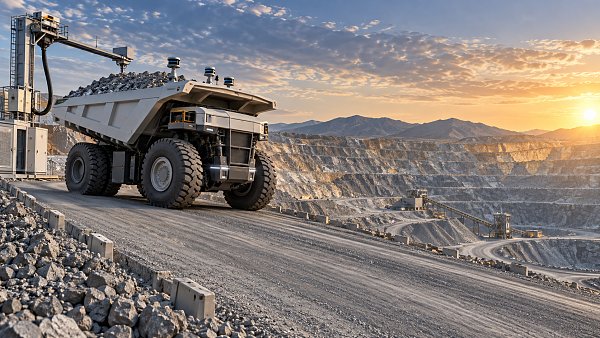
 Sep 19, 2026Mining Truck Technology Trends: What Fleet Managers Should Prioritize for 2026Mining truck technology trends for 2026: prioritize electrification, autonomy, predictive maintenance, and road intelligence to improve fleet uptime, safety, and cost control.
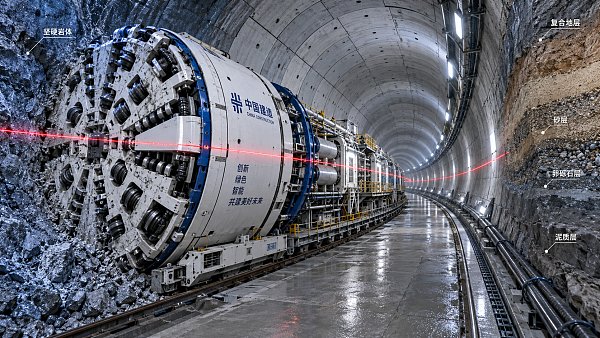
 Sep 17, 2026How TBM Guidance Technology Maintains Alignment Through Curves and Variable GroundTunnel boring machine guidance technology helps teams maintain precise alignment through curves and variable ground, reducing risk, improving lining accuracy, and protecting schedules.
 Sep 16, 2026Infrastructure Equipment Market Reference: Demand, Pricing, and Supplier BenchmarksInfrastructure equipment market reference for buyers: assess demand signals, total cost, pricing risks, and supplier benchmarks for tunnels, mining, cranes, and road projects.
 Sep 15, 2026How to Evaluate Infrastructure Equipment Suppliers for Complex Project RequirementsInfrastructure equipment solutions supplier evaluation guide for complex projects: assess technical fit, lifecycle cost, reliability, local support, and contract risk.
Structural Load Expert
Weekly Insights
Stay ahead with our curated technology reports delivered every Monday.