
Crawler Cranes for Sale: What Capacity, Boom Length, and Setup Should You Compare?
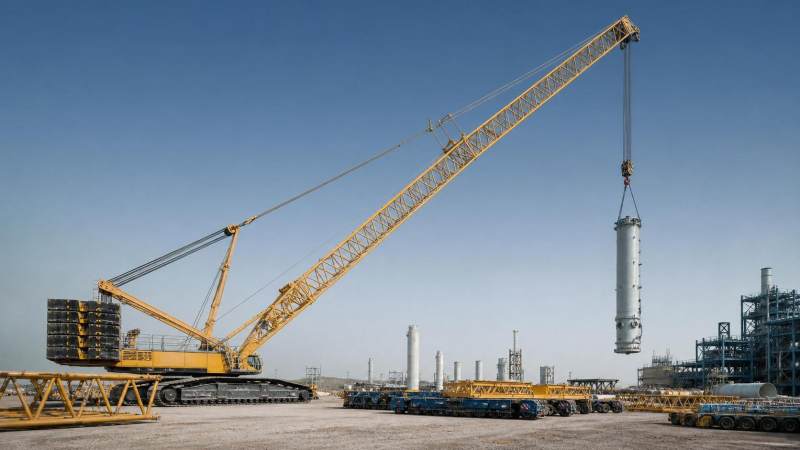
Crawler Cranes for Sale: which numbers actually matter first?
When reviewing crawler cranes for sale, the headline tonnage rarely tells the full story.
A crane that looks strong on paper may still underperform if boom configuration, transport splits, or ground preparation do not match the project.
That is why serious comparison starts with the lifting task, not with the brochure cover.
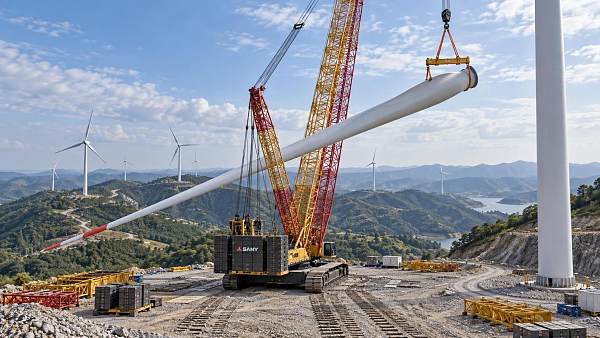
In wind, petrochemical, bridge, and energy work, crawler cranes are the steel backbone of high-consequence lifts.
TF-Strategy often tracks this equipment through the same lens used across TBM, mining, and road machinery intelligence: parameters, method, logistics, and total project effect.
So the useful question is not simply, “Which crawler cranes for sale are available?”
A better question is, “Which crane setup delivers safe capacity, practical assembly, and predictable cost on the actual site?”
Is rated capacity the best starting point, or can it mislead?
It is the starting point, but it should never be the buying decision by itself.
Rated capacity is usually quoted under ideal chart conditions.
Real lifts depend on radius, hook height, boom combination, counterweight, and the deduction created by rigging and auxiliary attachments.
In practical terms, a 600-ton crawler crane may not be the right answer for a lift that requires long radius and high boom angle stability.
More common buying mistakes happen when teams compare maximum capacity instead of capacity at the planned working radius.
That is where the lifting chart becomes more important than the model name.
When assessing crawler cranes for sale, ask for chart-based answers to these points:
- Net lift capacity at the exact radius and hook height.
- Capacity loss after rigging, hook block, and lifting beam are included.
- Performance with main boom only, fixed jib, or luffing jib.
- Wind speed restrictions during heavy or long-component lifts.
- Required counterweight and carbody weight for the proposed chart.
If those numbers are unclear, the comparison is still too shallow.
How should boom length be compared for wind, petrochemical, and infrastructure work?
Boom length should be judged by lift geometry, not by the desire to buy the longest option.
Longer boom increases hook height and reach, but it also changes stiffness, capacity, transport volume, and assembly complexity.
For wind projects, the question is often whether the crane can place nacelles or blades at target hub height with acceptable safety margin.
For petrochemical work, boom flexibility matters because modules may need careful positioning inside congested plants.
Infrastructure lifts often create another challenge: limited site footprint and awkward pick-and-set paths.
That is why two cranes with similar maximum boom lengths can perform very differently in the field.
A useful way to compare crawler cranes for sale is to match boom options against the dominant lift profile:
This approach usually gives a clearer answer than comparing maximum boom length alone.
What setup details often decide whether a crawler crane is practical?
Setup is where many apparently attractive crawler cranes for sale become expensive or slow.
Assembly hours, assist crane needs, counterweight logistics, and site bearing pressure all influence project feasibility.
Some machines offer excellent chart performance but require more transport loads and longer build time.
Others may sacrifice top-end lift numbers yet deliver faster mobilization across multiple jobs.
In real projects, that trade-off can matter more than a small difference in nominal capacity.
The key setup questions usually include:
- How many truckloads are needed for base machine, crawlers, boom, and counterweights?
- What size assist crane is needed for erection and dismantling?
- How much laydown area is required for boom sections and assembly?
- What is the maximum ground bearing pressure during operation and assembly?
- Can the crane move between pads efficiently, or must it be repeatedly broken down?
Needless delays often begin here, not in the lift itself.
A technically stronger crane can still lose on total cost if the site is remote, soft, or transport-restricted.
Where do buyers usually misjudge crawler cranes for sale?
The most common mistake is comparing machine classes without comparing the job sequence.
Another is treating all heavy lifts as one-off events.
In reality, the crane may support weeks of picks, moves, weather holds, and staged assembly work.
That changes the value equation.
There is also a tendency to underestimate regional service support.
For ultra-large lifting machinery, parts access, field technicians, and telemetry support affect uptime just as much as steel and hydraulics.
TF-Strategy follows this broader view because heavy equipment value is created through operating systems, not isolated specifications.
The following quick-check table helps reduce misjudgment:
How do cost, schedule, and fleet strategy change the final choice?
Price is important, but ownership logic depends on project rhythm.
If the crane will be redeployed across energy, industrial, and civil jobs, versatility becomes a real financial advantage.
If the work is highly specialized, a more focused boom system may be justified.
When comparing crawler cranes for sale, total cost should include more than acquisition and transport.
It should also cover assembly labor, spare parts lead time, operator familiarity, digital monitoring support, and utilization between projects.
A lower purchase price may not stay lower after twelve months of intermittent use and long setup cycles.
More practical evaluation points are:
- Expected annual utilization by lift type.
- Time lost during mobilization, erection, and tear-down.
- Commonality of components with existing fleet support.
- Residual value in the regional heavy lifting market.
- Data and diagnostics that support preventive maintenance.
For global infrastructure programs, these hidden variables often separate efficient ownership from expensive underuse.
What is the smartest next step before shortlisting crawler cranes for sale?
Build the shortlist from actual lift cases, not from broad machine categories.
Start with the heaviest component, highest hook requirement, longest radius, and weakest ground condition expected across the target jobs.
Then compare crawler cranes for sale against that envelope using chart data, boom options, setup demands, and support coverage.
This usually narrows the field faster than comparing ten technical brochures side by side.
A sensible final review should confirm four things: lifting sufficiency, site practicality, schedule fit, and lifecycle cost visibility.
If one area remains vague, the decision is not ready yet.
In heavy industry, good selection is rarely about chasing the biggest crane.
It is about matching power and precision to the job with fewer assumptions.
That is the same decision logic shaping modern analysis across TF-Strategy’s view of earth engineering equipment.
If the next step is a real procurement comparison, prepare one lift matrix, one site logistics sheet, and one costed setup plan before requesting final offers.
Related News
 Sep 22, 2026How to Evaluate a High-Altitude Mining Solutions Manufacturer for Remote ProjectsEvaluate a high-altitude mining solutions manufacturer with proven derating, cooling, service logistics, and lifecycle-cost support for remote projects.
 Sep 21, 2026Industrial Supplier Evaluation: A Risk-Based Scorecard for Quality, Capacity, and DeliveryIndustrial supplier evaluation made practical: use a risk-based scorecard to assess quality, capacity, and delivery reliability, reduce project risk, and select suppliers with confidence.
 Sep 20, 2026Comparing Heavy Equipment Warranty Suppliers: Coverage, Claims, and Downtime RiskSupplier comparison for heavy equipment warranty: evaluate coverage, claims speed, service networks, and downtime risk to protect uptime and project costs.
 Sep 19, 2026Mining Truck Technology Trends: What Fleet Managers Should Prioritize for 2026Mining truck technology trends for 2026: prioritize electrification, autonomy, predictive maintenance, and road intelligence to improve fleet uptime, safety, and cost control.


Structural Load Expert
Weekly Insights
Stay ahead with our curated technology reports delivered every Monday.