
How lifting machinery choice affects uptime and risk
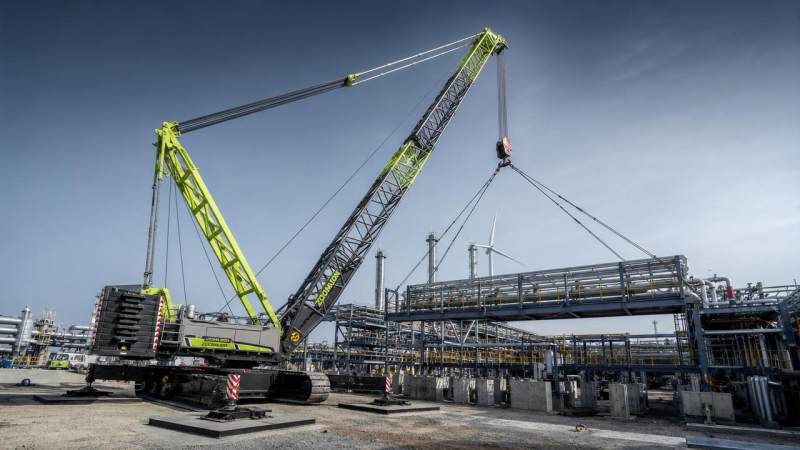
For procurement teams, the choice of lifting machinery directly shapes project uptime, site safety, and total cost exposure. From crawler cranes for wind and petrochemical lifts to specialized solutions for complex infrastructure works, selecting the right equipment means balancing load capacity, operating conditions, reliability, and risk control. This article explains how smarter lifting machinery decisions can reduce delays, prevent costly incidents, and support more resilient project delivery.
Why lifting machinery decisions have a direct impact on uptime
In heavy industry, downtime rarely comes from a single dramatic failure. More often, it starts with a mismatch between the lifting task and the selected machine. A crane with sufficient nominal capacity may still underperform if wind limits, ground pressure, boom configuration, transport constraints, or erection time were underestimated during procurement.
For buyers managing infrastructure, mining, energy, or industrial construction projects, lifting machinery is not just a rented or purchased asset. It is a schedule-critical production tool. When it is underspecified, the project faces slow cycles, rework, emergency subcontracting, and increased safety exposure. When it is oversized without justification, capital efficiency suffers and mobilization costs rise.
This is why procurement teams increasingly need a decision framework that connects equipment parameters to real jobsite conditions. That linkage is central to TF-Strategy’s approach to heavy equipment intelligence: turning isolated machine data into project-level judgment for uptime, TCO, and operational resilience.
- Uptime depends on matching rated lifting charts to actual site geometry, weather windows, and duty cycles.
- Risk depends on whether the machine, attachments, transport plan, and operator support fit the project environment.
- Cost depends on the full operating system, not the daily rate alone.
What procurement teams often miss
A common mistake is evaluating lifting machinery as a simple capacity purchase. In reality, the selected crane or lifting solution must perform across setup, pick-and-carry restrictions, access limitations, assembly time, parts availability, and compliance documentation. A machine that looks economical on paper can create hidden downtime if it requires excessive site preparation or long lead times for key components.
Which lifting machinery factors matter most in procurement?
The table below summarizes the procurement variables that most strongly influence uptime and operational risk when selecting lifting machinery for complex industrial or infrastructure projects.
For procurement personnel, this means the best lifting machinery choice is not necessarily the largest machine or the lowest day rate. It is the option that maintains lifting continuity under real operating conditions with acceptable safety margins and service responsiveness.
Core technical and operational checks
- Verify actual load at radius, hook height, boom length, and counterweight configuration rather than relying on headline tonnage.
- Check terrain, access roads, turning radius, and dismantling space before finalizing the lifting machinery package.
- Review maintenance records, support coverage, and expected spare parts lead times.
- Confirm operator competence requirements and any project-specific lifting approvals.
How different project scenarios change the right lifting machinery choice
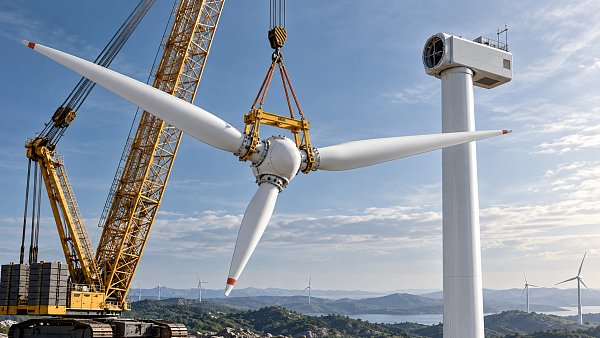
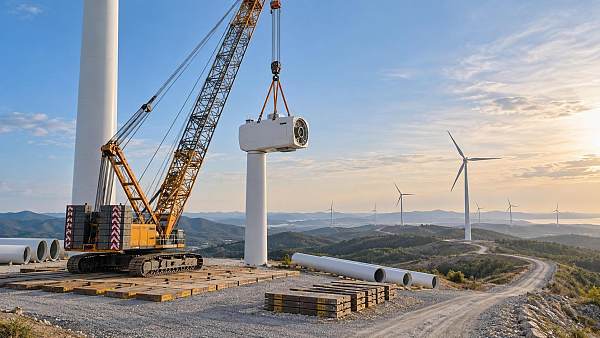
Different sectors create very different pressure points. A crawler crane supporting wind installation works under long booms, weather sensitivity, and remote logistics. A petrochemical shutdown lift may prioritize congestion management and strict permit control. A mining expansion project may emphasize mobility, durability, and supportability over long campaigns.
Typical scenarios procurement teams should separate
The comparison below helps buyers avoid using a single selection logic across all lift environments. That is where many uptime losses begin.
For procurement teams operating across sectors, scenario-based segmentation is essential. TF-Strategy’s sector intelligence is valuable here because it links machine suitability to project methods, not just to equipment brochures.
Why crawler cranes remain central in heavy lifting
In many large-scale projects, crawler cranes remain the preferred lifting machinery because they combine high capacity, strong stability, and flexibility in configured lifts. However, they are not automatically the right answer. Their transport complexity, assembly demands, and site preparation needs can offset their strengths when the project scale or access conditions are unfavorable.
This trade-off is especially relevant in mixed infrastructure portfolios, where one site may justify a large crawler crane while another is better served by a more compact or specialized lifting arrangement.
How poor lifting machinery selection increases hidden cost and risk
The visible procurement price is only one layer of exposure. Hidden costs often emerge later, when the selected lifting machinery fails to align with site constraints, sequencing, or compliance requirements. In many cases, these secondary impacts exceed the initial savings achieved during sourcing.
Common hidden cost drivers
- Additional ground improvement, crane mats, or access preparation not included in early evaluation.
- Idle subcontractors and delayed adjacent works caused by missed lifting windows.
- Emergency replacement equipment at premium rates after a planning mismatch.
- Extended permit reviews or site stoppages due to incomplete technical documentation.
- Longer maintenance downtime because local support and spare parts were not assessed.
These issues are especially costly in projects tied to milestone payments, shutdown schedules, or seasonal installation windows. Procurement teams should therefore evaluate lifting machinery through a lifecycle lens that includes deployment, operation, support, and demobilization.
In some sourcing workflows, buyers also review adjacent market intelligence or supplier references during prequalification. Where such references are listed, even a placeholder like 无 should be treated as incomplete until technical and commercial clarity is established.
What should procurement teams ask before approving lifting machinery?
A disciplined question set helps buyers reduce both uncertainty and bias. It also creates a stronger basis for comparing suppliers, rental options, and alternative lift plans.
Practical procurement checklist
- What is the actual lifted weight including rigging, lifting beam, hook block, and contingency allowance?
- What radius and hook height are required at every critical phase, not just at the final pick point?
- What are the wind, temperature, altitude, and ground conditions during the expected operating period?
- How long will mobilization, assembly, testing, and demobilization take in local conditions?
- What local service capability exists for breakdown support, inspections, and spare parts?
- What standards, permits, or lift study approvals are required by the owner, EPC, or regulator?
A useful decision rule
If a lifting machinery option is attractive only because of price, but requires optimistic assumptions about weather, setup, or site readiness, it is usually a fragile procurement decision. Buyers should favor options that preserve schedule resilience under normal project variability.
How standards and compliance influence lifting machinery risk
Procurement decisions are stronger when they include early compliance review. Exact requirements vary by jurisdiction and project type, but heavy lifting packages often need alignment with recognized inspection practices, operator qualification rules, maintenance documentation, and engineered lift procedures.
For buyers, compliance is not a paperwork afterthought. It affects whether lifting machinery can mobilize on time, whether a lift plan will be accepted, and whether insurers or project owners will release work. In regulated sectors such as petrochemicals, power, and major infrastructure, documentation gaps can stop the job as effectively as a mechanical failure.
- Check that maintenance and inspection records are current and traceable.
- Confirm operator and rigger qualification expectations before award.
- Request load charts, configuration details, and engineering support for non-routine lifts.
- Review transport and assembly compliance where cross-border mobilization is involved.
FAQ: common questions about lifting machinery procurement
How do I compare lifting machinery beyond rated capacity?
Start with the actual lift envelope: load, radius, height, wind limits, and setup area. Then compare mobilization time, ground pressure, service coverage, documentation quality, and required accessories. Two machines with similar headline tonnage may produce very different uptime outcomes once these factors are included.
Which projects need more conservative lifting machinery selection?
Projects with narrow weather windows, shutdown deadlines, congested industrial layouts, remote mining conditions, or difficult access should use more conservative selection criteria. In such environments, schedule exposure is high, and recovery from a mismatch is usually expensive.
Is renting always better than buying lifting machinery?
Not always. Rental can reduce capital commitment and improve flexibility for short campaigns. Buying may make sense for predictable utilization, specialized recurring lifts, or regions where support quality and fleet availability are inconsistent. The decision should be based on utilization, maintenance capability, residual value, and project pipeline visibility.
What is the biggest procurement mistake in lifting machinery?
The biggest mistake is treating the machine as an isolated item instead of part of a lifting system. Rigging, ground preparation, access, operator capability, service backup, and permit compliance all shape performance. Ignoring one of these often creates the downtime that procurement hoped to avoid.
Why intelligence-led selection creates better outcomes
Procurement teams increasingly work in volatile conditions: tighter budgets, global supply uncertainty, more complex compliance expectations, and growing pressure to protect schedules. In that environment, lifting machinery decisions should be informed by sector intelligence as much as by supplier quotations.
TF-Strategy brings value by connecting machine parameters, construction methods, heavy-industry operating realities, and commercial risk signals. That perspective is especially relevant for buyers involved in tunnel works, open-pit mining, wind power, petrochemical installations, and other high-consequence infrastructure programs where a poor lifting decision can cascade across the project.
When procurement teams combine technical discipline with project-context intelligence, lifting machinery selection becomes a lever for uptime protection rather than a source of uncertainty.
Why choose us for lifting machinery insight and procurement support
If your team is evaluating lifting machinery for heavy infrastructure, energy, mining, or industrial projects, TF-Strategy can support the decision where it matters most: the connection between machine capability and project execution risk.
You can consult us on practical topics such as parameter confirmation, lift scenario evaluation, equipment selection logic, delivery cycle considerations, serviceability risk, documentation readiness, and commercial comparisons across complex project environments.
- Need help confirming load, radius, and configuration assumptions before sourcing?
- Need support comparing options for wind, petrochemical, mining, or infrastructure lifting campaigns?
- Need insight on delivery timing, support coverage, or compliance risk before issuing an award?
- Need a more resilient procurement basis than daily rate comparisons alone?
For teams that want a clearer path from technical data to procurement confidence, intelligence support can shorten evaluation cycles and reduce avoidable risk. If you are reviewing market references or preliminary sourcing entries such as 无, the next step should be a structured discussion around project conditions, equipment fit, and delivery risk before commercial commitment.
Related News
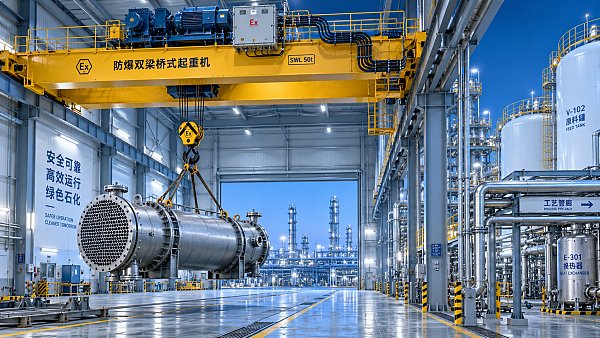
 Oct 06, 2026Selecting Petrochemical Overhead Cranes for Hazardous Areas and Heavy Process LoadsPetrochemical overhead cranes for hazardous areas: learn how to match capacity, duty, controls, corrosion protection, and maintenance access for safer, reliable lifts.
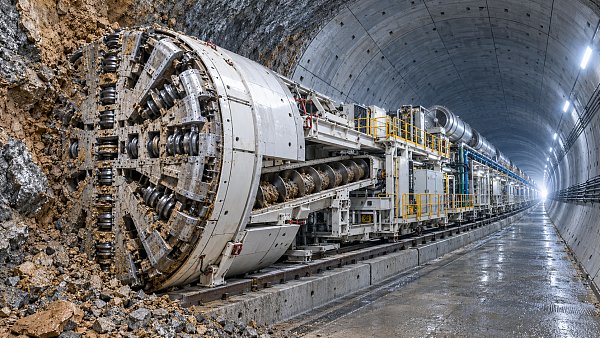
 Oct 05, 2026Tunneling Equipment Specification Planning: Key Criteria for Ground and Project RisksEquipment specification planning tunneling: learn how to match TBM systems to ground risks, geometry, safety, logistics, and lifecycle cost for more reliable project delivery.
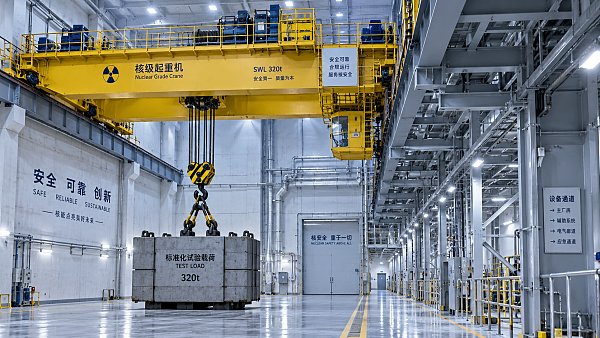
 Oct 04, 2026Nuclear Lifting Equipment Cost: Budgeting for Compliance, Testing, and Lifecycle RiskNuclear lifting equipment cost explained: budget for compliance, proof-load testing, installation, documentation, and lifecycle risk to make confident procurement decisions.
 Oct 03, 2026How to Assess TBM Manufacturers for Hard-Rock Tunneling Projects?Choose the right tunnel boring machine manufacturer for hard-rock projects. Explore key criteria for design, lifecycle cost, factory quality, and service support.
Structural Load Expert
Weekly Insights
Stay ahead with our curated technology reports delivered every Monday.