
What sets trusted lifting machinery manufacturers apart
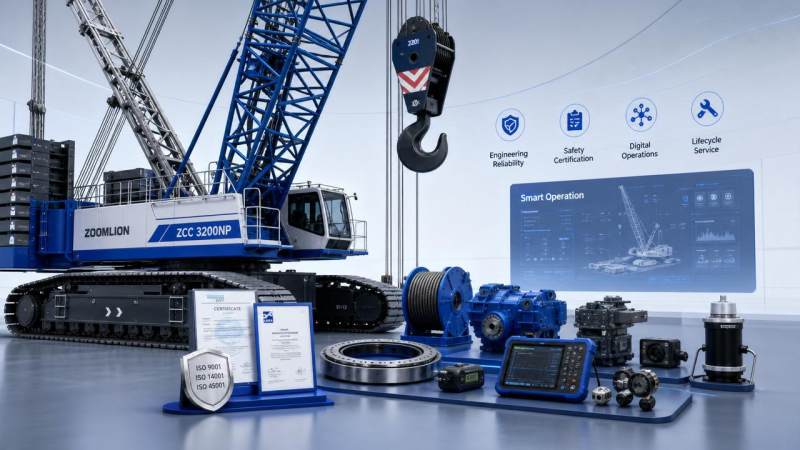
Why trusted lifting machinery manufacturers matter more in today’s project environment
For procurement teams, choosing among lifting machinery manufacturers is about far more than price. Trusted partners stand out through proven engineering, verified safety standards, reliable delivery, and strong lifecycle support.
In a market where project risk, uptime, and total cost of ownership matter most, understanding what separates dependable manufacturers from the rest is essential to making smarter sourcing decisions.
This shift is especially visible across infrastructure, mining, petrochemical, offshore, transport, and energy construction. Lifting equipment now operates under tighter schedules, stricter compliance demands, and more complex site conditions.
As a result, trusted lifting machinery manufacturers are no longer judged only by load charts. They are evaluated by digital capability, service resilience, parts availability, and their ability to reduce operational uncertainty.
For intelligence-focused platforms such as TF-Strategy, this evolution reflects a broader heavy industry trend. Buyers increasingly connect machine performance with project strategy, financing risk, safety governance, and long-term asset value.
The market is shifting from capacity buying to risk-aware partner selection
The global market for cranes and heavy lifting systems is becoming more selective. End users are moving from simple equipment comparison toward deeper manufacturer validation.
That change comes from several converging signals. Projects are larger, lifting plans are more engineered, and downtime penalties are more severe than in previous cycles.
At the same time, environmental, social, and governance expectations are influencing supplier qualification. Trusted lifting machinery manufacturers must now prove not only strength, but traceability and control.
Digital monitoring has also changed the benchmark. Telematics, predictive maintenance, and remote diagnostics are becoming expected features rather than premium extras.
This is why the best lifting machinery manufacturers increasingly position themselves as lifecycle solution providers. Their value extends from design and factory testing to operator training and aftermarket support.
Key trend signals behind this shift
- More megaprojects in wind power, nuclear, bridges, and industrial modules
- Higher penalties for schedule delays and unplanned lifting stoppages
- Stronger demand for certified safety systems and documented testing
- Growing need for remote service, diagnostics, and fleet data integration
- Greater scrutiny of spare parts continuity and regional service coverage
What sets trusted lifting machinery manufacturers apart in practice
The difference between average and trusted lifting machinery manufacturers is rarely one feature. It usually comes from consistent performance across engineering, compliance, delivery, service, and transparency.
1. Engineering depth that matches real operating conditions
Reliable suppliers design for actual jobsite complexity, not brochure conditions. They account for wind, ground bearing, transport limits, lifting radius, and repeated-duty stress.
This matters for crawler cranes, port lifting systems, industrial hoists, and specialized heavy lift equipment. Sound engineering lowers both operational risk and hidden cost.
2. Verified safety and compliance systems
Trusted lifting machinery manufacturers maintain robust quality management and documented certification pathways. They can clearly explain standards compliance, test procedures, and safety logic.
That includes overload protection, structural inspection controls, emergency systems, and traceable component records. Clear documentation simplifies approvals across regulated sectors.
3. Stable production and delivery credibility
A strong design means little without dependable manufacturing execution. Trusted suppliers manage lead times, supply chain volatility, and quality consistency across production batches.
They also communicate realistic schedules. In capital projects, honest delivery visibility often matters more than aggressive promises that later slip.
4. Lifecycle support beyond the initial sale
The strongest lifting machinery manufacturers invest heavily in aftermarket capability. They support installation, commissioning, preventive maintenance, repairs, upgrades, and operator knowledge transfer.
This service depth directly affects uptime. It also influences residual value and long-term fleet planning.
5. Transparent performance data and digital intelligence
Modern projects require evidence, not broad claims. Trusted lifting machinery manufacturers increasingly provide data on utilization, fault history, energy efficiency, and maintenance intervals.
For heavy industry observers like TF-Strategy, this is a major indicator of strategic maturity. Data-driven suppliers are better prepared for smarter, lower-risk project execution.
The main forces pushing lifting machinery manufacturers to evolve
Several structural drivers are reshaping competition among lifting machinery manufacturers. These forces explain why trust, not only capacity, has become central.
How these differences affect projects, fleets, and business performance
The quality gap between lifting machinery manufacturers has direct consequences across the project chain. It affects planning certainty, insurance exposure, labor efficiency, and capital utilization.
When equipment is engineered and supported properly, lift plans become more predictable. Site teams spend less time resolving preventable failures, spare part shortages, or unclear technical instructions.
Trusted lifting machinery manufacturers also improve handover quality. Better documentation, training, and service access reduce commissioning friction and accelerate productive deployment.
Typical impact areas
- Lower downtime through stronger maintenance planning and parts support
- Improved safety outcomes through validated controls and operator guidance
- Reduced lifecycle cost through efficiency, durability, and upgrade paths
- Better tender competitiveness through proven reference projects
- Stronger asset value retention through brand credibility and service networks
What to examine closely when evaluating lifting machinery manufacturers
A structured review helps separate credible suppliers from those relying on superficial claims. The goal is to assess long-term reliability, not just quote attractiveness.
Priority checkpoints
- Reference projects in similar lifting environments and load profiles
- Certification status, factory testing records, and quality assurance systems
- Regional service footprint and response-time commitments
- Spare parts strategy for critical components and long-life support
- Digital diagnostics, telematics, and maintenance data accessibility
- Operator training, commissioning assistance, and technical documentation quality
- Financial stability and supply chain resilience under market disruption
It is also useful to compare how lifting machinery manufacturers handle exceptions. Their response to delays, field failures, and design changes often reveals more than marketing material.
A practical direction for smarter sourcing decisions
The best next step is to build evaluation around lifecycle evidence. Compare lifting machinery manufacturers using a weighted framework that includes engineering, compliance, service, and digital capability.
Shortlist suppliers that can support complex infrastructure and heavy industry scenarios over time. Prioritize those that connect equipment performance with project outcomes, not only machine specifications.
In sectors tracked by TF-Strategy, from crawler cranes to other strategic heavy equipment, trusted partnerships increasingly determine delivery confidence. The strongest suppliers help control risk before the first lift begins.
If a sourcing decision must support uptime, compliance, and long-term value, review lifting machinery manufacturers through the lens of total operational resilience. That is where true differentiation now lies.
Related News
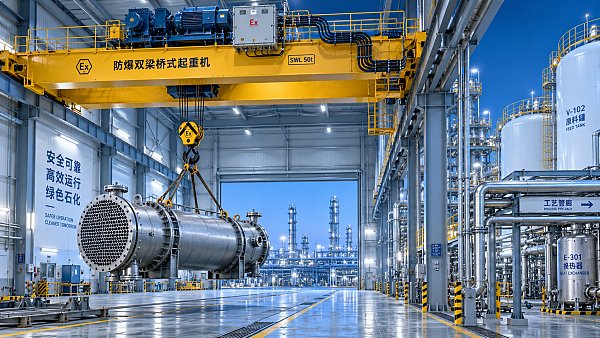
 Oct 06, 2026Selecting Petrochemical Overhead Cranes for Hazardous Areas and Heavy Process LoadsPetrochemical overhead cranes for hazardous areas: learn how to match capacity, duty, controls, corrosion protection, and maintenance access for safer, reliable lifts.
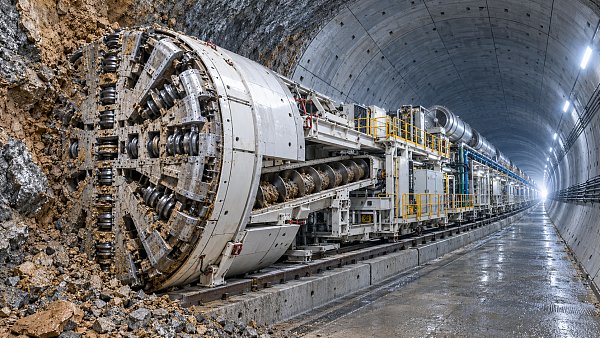
 Oct 05, 2026Tunneling Equipment Specification Planning: Key Criteria for Ground and Project RisksEquipment specification planning tunneling: learn how to match TBM systems to ground risks, geometry, safety, logistics, and lifecycle cost for more reliable project delivery.
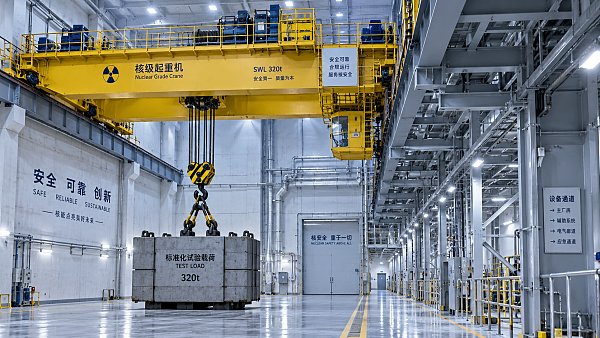
 Oct 04, 2026Nuclear Lifting Equipment Cost: Budgeting for Compliance, Testing, and Lifecycle RiskNuclear lifting equipment cost explained: budget for compliance, proof-load testing, installation, documentation, and lifecycle risk to make confident procurement decisions.
 Oct 03, 2026How to Assess TBM Manufacturers for Hard-Rock Tunneling Projects?Choose the right tunnel boring machine manufacturer for hard-rock projects. Explore key criteria for design, lifecycle cost, factory quality, and service support.
Structural Load Expert
Weekly Insights
Stay ahead with our curated technology reports delivered every Monday.