
What to check before choosing crawler cranes for sale
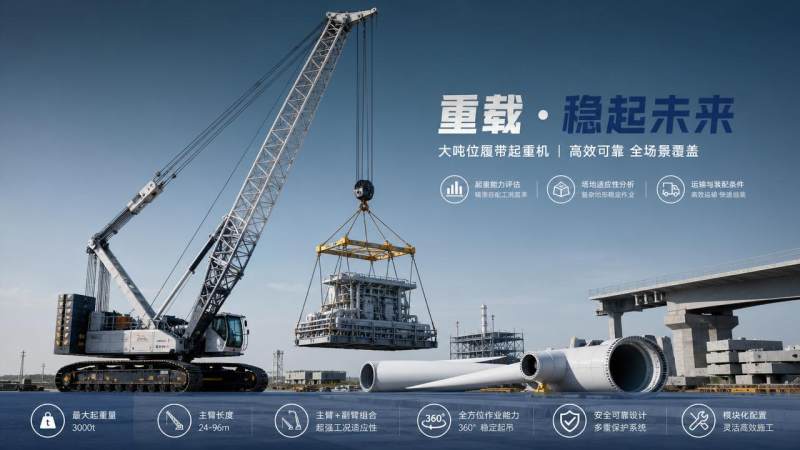
Before comparing crawler cranes for sale, the real question is not only budget. It is whether the machine matches lifting risk, site conditions, schedule pressure, and long-term asset value.
In global infrastructure, a crawler crane can support wind farms, refinery modules, bridge segments, and industrial expansions. A poor match may increase downtime, mobilization cost, safety exposure, and total ownership burden.
For that reason, evaluating crawler cranes for sale should follow a scenario-based process. Capacity charts, boom systems, transport logistics, compliance, and service capability all need to be checked against actual project demands.
Why project scenario matters before choosing crawler cranes for sale
Different job environments create different decision priorities. A crane suited to a wind turbine erection package may be inefficient on an urban industrial retrofit with tight access and strict noise limitations.
That is why buyers should start with the operating scene. The correct evaluation path links lift weight, radius, height, ground bearing, transport route, and assembly space.
TF-Strategy follows this logic across heavy industry intelligence. Equipment value appears only when physical parameters, construction method, and project strategy are stitched together into one usable decision framework.
Scenario 1: Wind power installation needs high reach and stable lifting control
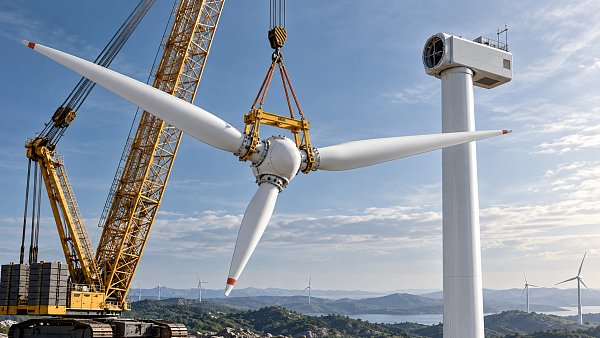
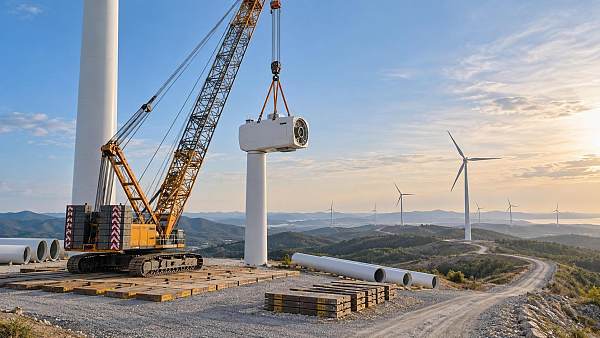
Wind projects often drive demand for crawler cranes for sale with long boom combinations and strong load charts at extended radius. Hub height, blade length, and nacelle weight are the first screening factors.
Ground pressure is equally important. Mountain ridges, temporary access roads, and remote pads can limit heavy transport and assembly support equipment.
Checks that matter in wind projects
- Rated lifting capacity at actual working radius, not brochure maximum.
- Main boom and luffing jib configuration for target turbine models.
- Counterweight transport volume and erection time on remote sites.
- Wind speed operating limits and control system precision.
- Availability of local service crews and spare parts.
Scenario 2: Petrochemical and nuclear lifts require precision, compliance, and redundancy
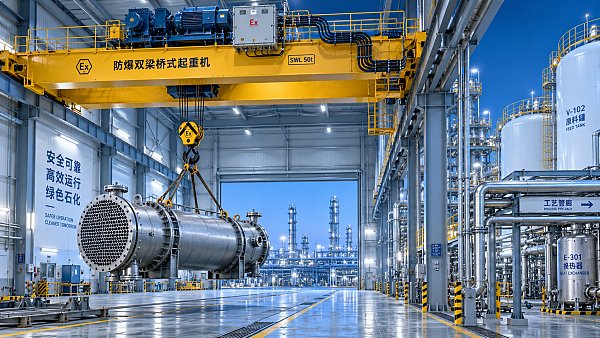
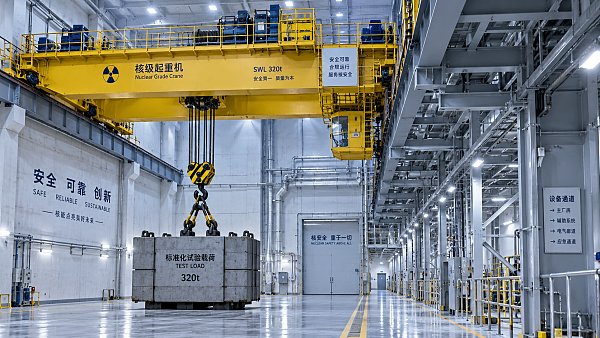
Complex industrial sites usually have stricter lifting procedures. When checking crawler cranes for sale for these projects, precision and regulatory alignment often outrank simple tonnage headlines.
Heavy modules may require tandem lifting studies, narrow operating corridors, or shutdown-window execution. In these settings, motion smoothness, control accuracy, and documentation quality become core filters.
Key review points for regulated industrial sites
- Compliance with local lifting, emissions, and safety standards.
- Load moment indicators, anti-two-block systems, and monitoring features.
- Documented inspection history for used crawler cranes for sale.
- Redundant safety devices and emergency response support.
- Engineering support for lift planning and site simulation.
Scenario 3: Infrastructure and bridge work depends on mobility and ground adaptation
Bridge girders, precast elements, and civil packages often need repeated repositioning. Here, crawler cranes for sale should be assessed for travel-with-load ability, setup efficiency, and suitability for uneven terrain.
The best option is not always the largest machine. Oversized cranes can create extra transport permits, crane mat demand, and idle cost between lift sequences.
What to confirm on civil and bridge sites
- Ground bearing pressure against geotechnical reports.
- Track width, travel path, and site turning radius.
- Assembly area for boom sections and counterweights.
- Transport split dimensions for roads and bridges.
- Fuel consumption and daily utilization profile.
How requirements differ across major use cases
Core technical checks that should always be completed
No matter the project type, some checks are non-negotiable when reviewing crawler cranes for sale. These factors determine whether the machine can deliver safe output over its full working life.
1. Verify real lifting performance
Use the load chart for the intended boom configuration and working radius. Do not rely on nominal capacity alone, because real-site lifting values often fall much lower.
2. Review boom and attachment flexibility
Check whether the crane supports future project mixes. A machine with adaptable boom lengths and jib options may create better utilization across energy, industrial, and civil segments.
3. Inspect undercarriage and structural condition
For used crawler cranes for sale, inspect crawler frames, rollers, pins, welds, wire ropes, drums, and slewing systems. Hidden wear can quickly erase any purchase discount.
4. Check powertrain and control technology
Engine status, hydraulic efficiency, and electronic diagnostics matter. Advanced controls can improve accuracy, reduce operator fatigue, and support traceable maintenance planning.
5. Calculate lifecycle cost, not just acquisition cost
Include transport, assembly labor, fuel, maintenance, spare parts, operator training, insurance, and resale value. The cheapest crawler cranes for sale are often not the lowest-cost assets over time.
Practical recommendations for matching crane choice to site conditions
- Map every critical lift by weight, radius, height, and frequency.
- Compare at least two boom configurations, not one catalog setup.
- Request transport and assembly breakdown before commercial approval.
- Review local dealer support, parts lead times, and field response speed.
- Prioritize documented service records for any used machine.
- Confirm regulatory fit for target markets and project owners.
Common mistakes when screening crawler cranes for sale
One common error is buying by maximum capacity class only. This can produce overinvestment while still missing the required chart performance at the actual working radius.
Another mistake is ignoring logistics. A crane may fit the lift technically, yet fail economically because of difficult transport splits, excessive counterweight moves, or slow on-site assembly.
Service access is also underestimated. If spare parts, technical support, or software diagnostics are weak in the operating region, downtime can damage project schedules and contract margins.
Finally, some evaluations overlook future utilization. The best crawler cranes for sale should support both current contracts and likely next-stage infrastructure opportunities.
A practical next step before making the final decision
Build a simple decision sheet with project scenario, lift matrix, ground limits, transport constraints, compliance needs, and ownership cost assumptions. Then score each candidate crane against those conditions.
This structured approach turns a broad market search for crawler cranes for sale into a disciplined infrastructure decision. It helps reduce risk, protect uptime, and improve equipment value across demanding heavy-industry applications.
In sectors shaped by power, precision, and delivery certainty, the right machine is never chosen by price alone. It is chosen by fit, evidence, and long-term operational intelligence.
Related News
 Oct 06, 2026Selecting Petrochemical Overhead Cranes for Hazardous Areas and Heavy Process LoadsPetrochemical overhead cranes for hazardous areas: learn how to match capacity, duty, controls, corrosion protection, and maintenance access for safer, reliable lifts.
 Oct 05, 2026Tunneling Equipment Specification Planning: Key Criteria for Ground and Project RisksEquipment specification planning tunneling: learn how to match TBM systems to ground risks, geometry, safety, logistics, and lifecycle cost for more reliable project delivery.
 Oct 04, 2026Nuclear Lifting Equipment Cost: Budgeting for Compliance, Testing, and Lifecycle RiskNuclear lifting equipment cost explained: budget for compliance, proof-load testing, installation, documentation, and lifecycle risk to make confident procurement decisions.
 Oct 03, 2026How to Assess TBM Manufacturers for Hard-Rock Tunneling Projects?Choose the right tunnel boring machine manufacturer for hard-rock projects. Explore key criteria for design, lifecycle cost, factory quality, and service support.
Structural Load Expert
Weekly Insights
Stay ahead with our curated technology reports delivered every Monday.