
When does lifting machinery rental make more sense than buying?
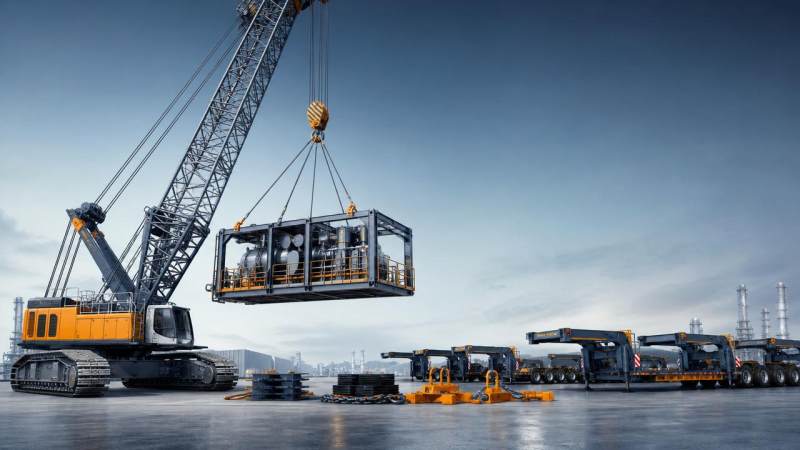
For finance approvers, the real question is not just price, but lifecycle value. In many projects, lifting machinery rental makes more sense than buying when utilization is uncertain, capital must stay flexible, and maintenance, transport, and compliance costs can quickly erode returns. This article examines how to compare rental versus ownership through cash flow, project duration, risk exposure, and total cost of ownership, helping decision-makers align equipment strategy with financial discipline.
Why lifting machinery rental is gaining ground across heavy industry
Across infrastructure, mining, energy, and industrial construction, equipment decisions are becoming more data-driven. Capital efficiency now matters as much as lifting capacity, safety, and schedule certainty.
This shift explains why lifting machinery rental is expanding. Project portfolios are less predictable, delivery windows are tighter, and machinery technology changes faster than many ownership models expect.
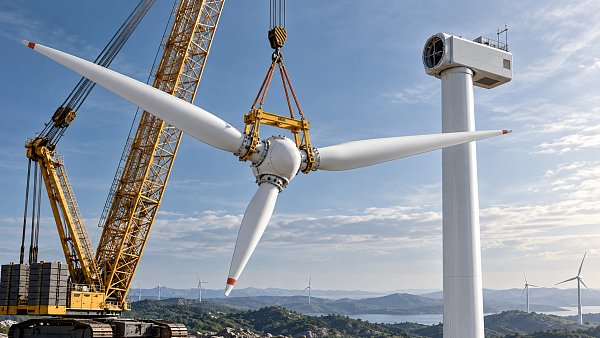
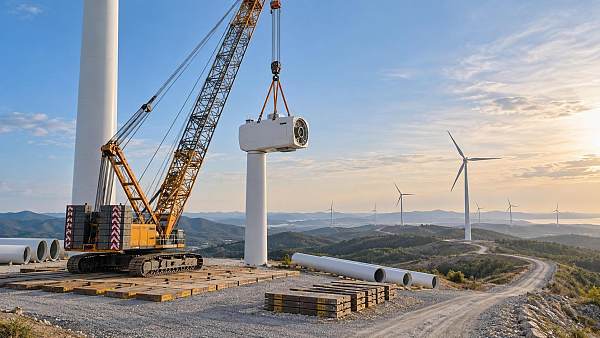
In sectors tracked by TF-Strategy, mega-lifts are often tied to distinct milestones. Wind turbine erection, petrochemical modules, TBM component handling, and plant shutdown work rarely need constant year-round crane use.
When utilization is intermittent, lifting machinery rental can protect margins. It converts a heavy fixed asset into a controllable operating expense linked to real project demand.
The strongest market signals favor flexibility over permanent ownership
Several trend signals suggest that lifting machinery rental now fits more project environments than before. These signals appear across civil works, open-pit operations, energy transitions, and industrial upgrades.
- Projects are more phased, with uneven lifting intensity across design, installation, commissioning, and maintenance periods.
- Interest rates and financing costs make large upfront purchases harder to justify.
- Emissions, transport, and safety compliance create hidden ownership costs.
- Advanced lifting configurations require specialized operators and engineering support.
- Technology refresh cycles are shortening for monitoring systems, load control, and telematics.
These signals do not mean ownership is obsolete. They mean the buy-versus-rent decision must be tied to utilization, balance sheet priorities, and operational complexity.
When does lifting machinery rental make more sense than buying?
The answer usually emerges when four conditions appear together: uncertain duration, variable load profiles, high support costs, and pressure to preserve cash for core production activities.
1. Utilization is too low to justify ownership
If equipment works only during short installation windows, ownership often underperforms. Idle months still consume capital, storage space, inspections, insurance, and depreciation.
A crawler crane bought for one refinery expansion may sit unused after completion. In that case, lifting machinery rental usually delivers better asset productivity.
2. Project pipelines are not stable enough
Ownership works best when future jobs are visible and similar. If future contracts are delayed, resized, or cancelled, the expected payback period becomes fragile.
Lifting machinery rental reduces this forecasting risk. Capacity can be scaled up or down without locking the business into a long recovery horizon.
3. Support costs are larger than expected
The purchase price is only the visible layer. Transport permits, mobilization, operator availability, spare parts, preventive maintenance, and inspections can materially raise total ownership cost.
For ultra-large lifting systems, assembly crews and site engineering also matter. Lifting machinery rental often includes access to these specialist capabilities.
4. Cash must remain available for higher-return uses
In heavy industry, capital may generate better returns elsewhere. Funds may be needed for drilling, blasting, TBM tooling, haulage fleet upgrades, plant automation, or working capital.
If purchased lifting equipment limits those investments, lifting machinery rental may produce stronger enterprise-wide value, even if day rates appear higher at first glance.
The real comparison is cash flow and total cost of ownership
A sound decision requires more than comparing a quote with a purchase offer. The better approach is to compare full lifecycle economics under realistic project assumptions.
This framework is especially useful for large road machinery interfaces, mine expansions, and modular plant construction, where lifting demand can spike suddenly and then disappear.
What is driving the rental shift in practical terms?
Behind the trend, several practical drivers are changing how projects value lifting assets. These drivers connect finance, engineering, scheduling, and safety performance.
The impact reaches beyond finance alone
Choosing lifting machinery rental affects schedule resilience, site risk, and execution quality. The decision can shape how quickly a project responds to changing loads, access constraints, and permit conditions.
For example, a rented crane matched precisely to a lift package may reduce setup time and improve site sequencing. An owned machine that is merely available may not be the optimal fit.
This is important in sectors where heavy components are high-value and delay-sensitive. Wind blades, TBM sections, reactor modules, and mining plant structures all punish poor lifting alignment.
- Better matching of capacity to specific lift requirements
- Reduced exposure to underused or oversized assets
- Potential access to trained crews and support services
- Improved agility when project scope changes midstream
Key points to watch before deciding on lifting machinery rental
Lifting machinery rental is not automatically the best option. The quality of the comparison depends on disciplined assumptions and careful review of hidden variables.
- Measure expected annual utilization hours, not optimistic peak scenarios.
- Include mobilization, demobilization, and transport permits in both options.
- Check whether rental terms include operators, rigging, engineering, and standby clauses.
- Estimate downtime cost if owned equipment fails during a critical lift window.
- Assess residual value realistically, especially in fast-changing equipment segments.
- Review insurance, certification, and compliance responsibilities in detail.
A practical decision path for the next equipment review cycle
A structured review can make the buy-versus-rent choice clearer. The goal is not to prefer one model by default, but to select the model that best supports project economics.
- Map lifting demand by project phase, duration, and load complexity.
- Model ownership cost across financing, maintenance, idle time, and resale assumptions.
- Compare that model against lifting machinery rental costs under realistic usage windows.
- Stress-test both scenarios against delays, scope changes, and compliance events.
- Choose the option that preserves margin, cash resilience, and schedule confidence.
In many modern projects, lifting machinery rental makes more sense than buying because demand is uneven, technical needs are specialized, and capital has better alternative uses.
For organizations following global heavy equipment trends, this is no longer a narrow procurement question. It is a strategic allocation decision linked to risk, agility, and long-term competitiveness.
Use the next equipment review to test assumptions with real utilization data, not habit. That single step often reveals whether lifting machinery rental is the smarter path forward.
Related News
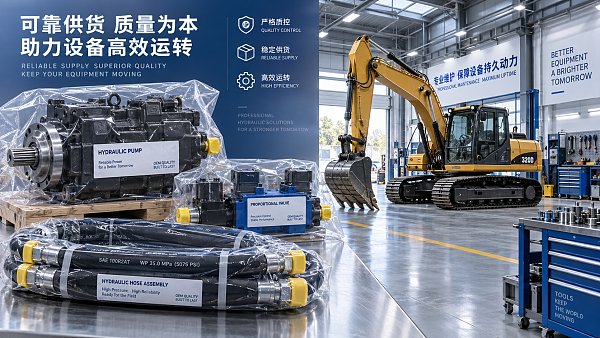
 Oct 07, 2026How to Evaluate a Hydraulic System Component Supplier for Heavy Equipment UptimeChoose a hydraulic system component supplier with proven quality, technical fit, and reliable delivery to reduce heavy equipment downtime and lifecycle costs.
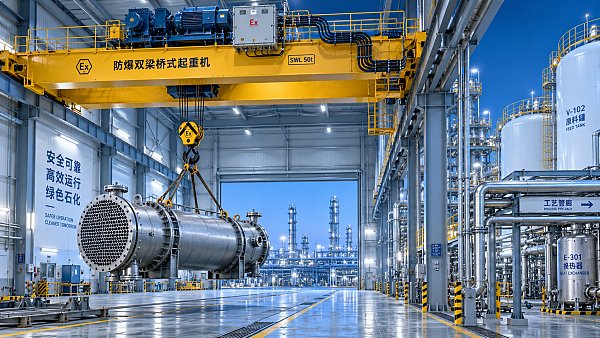
 Oct 06, 2026Selecting Petrochemical Overhead Cranes for Hazardous Areas and Heavy Process LoadsPetrochemical overhead cranes for hazardous areas: learn how to match capacity, duty, controls, corrosion protection, and maintenance access for safer, reliable lifts.
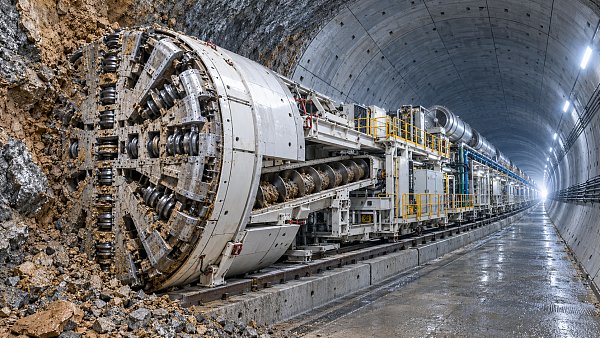
 Oct 05, 2026Tunneling Equipment Specification Planning: Key Criteria for Ground and Project RisksEquipment specification planning tunneling: learn how to match TBM systems to ground risks, geometry, safety, logistics, and lifecycle cost for more reliable project delivery.
 Oct 04, 2026Nuclear Lifting Equipment Cost: Budgeting for Compliance, Testing, and Lifecycle RiskNuclear lifting equipment cost explained: budget for compliance, proof-load testing, installation, documentation, and lifecycle risk to make confident procurement decisions.
Structural Load Expert
Weekly Insights
Stay ahead with our curated technology reports delivered every Monday.