
Why large-scale lifting solutions fail before the lift begins
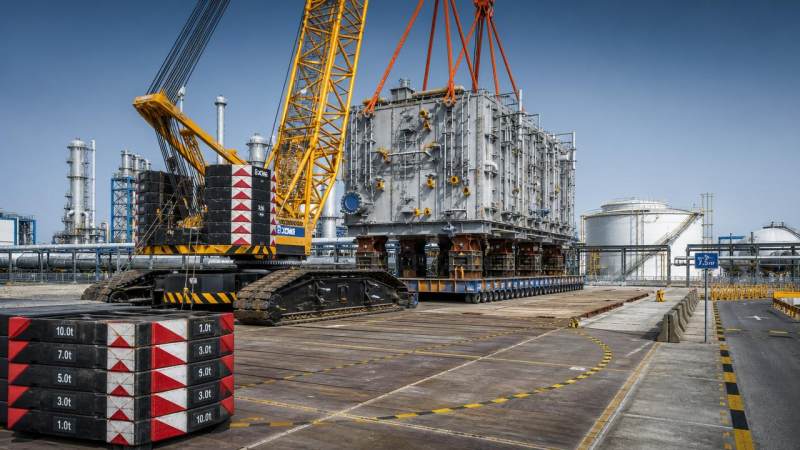
Why do large-scale lifting solutions fail before any steel moves? The answer is rarely a weak hook or crane fault.
Most failures begin earlier, inside assumptions about ground pressure, route access, component geometry, weather windows, and team coordination.
In heavy industry, early mistakes create cascading risk. They increase downtime, inflate cost, delay milestones, and expose projects to avoidable safety incidents.
For infrastructure, mining, energy, and industrial construction, successful large-scale lifting solutions depend on planning discipline long before mobilization starts.
This FAQ-style guide explains why large-scale lifting solutions break down before execution and how stronger engineering intelligence can prevent failure.
What are large-scale lifting solutions, and why do they fail so early?
Large-scale lifting solutions are integrated plans for moving oversized, heavy, or high-value components safely into position.
They include crane selection, rigging design, transport sequencing, site preparation, lift studies, weather criteria, and contingency procedures.
Failure starts early because lifting is never an isolated activity. It depends on civil works, logistics, structural engineering, and schedule control.
If one input is wrong, the entire lifting strategy can become invalid before the crane even arrives on site.
Common early failure triggers include:
- Incomplete load data or changing component weights
- Unverified center of gravity assumptions
- Access roads unsuitable for crawler or transport loads
- Ground bearing capacity below planned crane reactions
- Late design changes affecting lift radius or tailing space
- Misalignment between engineering, logistics, and site execution teams
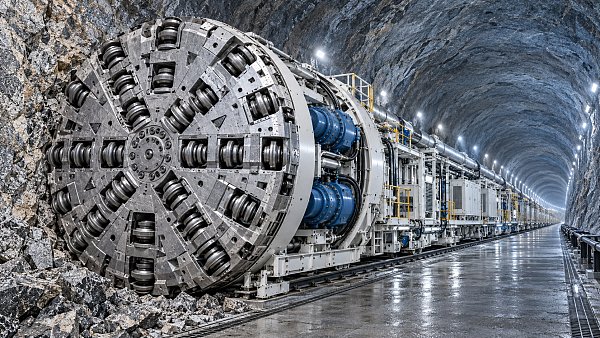
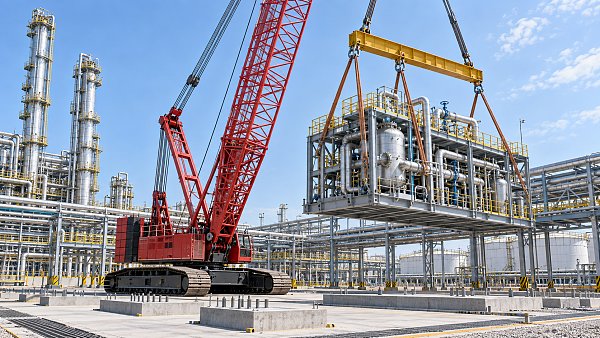
In sectors tracked by TF-Strategy, these issues appear across wind installation, refinery modules, mining equipment assembly, and TBM launch support.
Why are planning assumptions the weakest link in large-scale lifting solutions?
Planning assumptions often look minor on paper. In reality, they define whether large-scale lifting solutions are feasible, efficient, and safe.
Teams may rely on preliminary drawings, estimated component weights, or outdated site surveys. That creates invisible risk inside the lifting plan.
A common problem is false confidence in “typical” conditions. No two mega-lifts share the same geometry, soil behavior, or installation sequence.
Assumptions that frequently collapse
- Assuming transport orientation matches lifting orientation
- Assuming crane pads can be placed where drawings suggest
- Assuming weather downtime will remain within baseline estimates
- Assuming adjacent works will not restrict crane assembly space
- Assuming lifting lugs reflect actual fabricated conditions
Robust large-scale lifting solutions require verified data gates. Every critical assumption should be checked against current site and fabrication reality.
That means updated dimensions, confirmed load charts, geotechnical validation, route inspections, and documented hold points before final approval.
How do site constraints quietly destroy lifting feasibility?
Many large-scale lifting solutions fail because the site cannot support the plan, even when the crane capacity looks sufficient.
This is one of the most misunderstood issues in heavy projects. Capacity alone does not equal operability.
Practical constraints include narrow access, underground services, weak subgrade, overhead obstructions, restricted swing space, and simultaneous trades.
Critical site checks before lift mobilization
- Verify transport path width, slope, turning radius, and bridge limits.
- Confirm crane assembly zone dimensions and assembly sequence.
- Check underground utilities, voids, culverts, and buried interfaces.
- Validate outrigger or crawler bearing pressures against actual soil data.
- Review exclusion zones around energized lines and public access points.
- Coordinate with civil and structural teams on temporary works.
In mining and open industrial yards, even small elevation differences can affect crane levelness and reduce safe operating margins.
For ultra-large lifting machinery, a constrained site often forces higher radius picks, additional tailing cranes, or more costly segmented installation.
Why do load path and center of gravity errors cause pre-lift failure?
Load path errors are among the most expensive weaknesses in large-scale lifting solutions.
A lift is not just about total weight. The structure of the lifted item, its flex behavior, and its center of gravity matter equally.
If these are misjudged, rigging loads become unbalanced. That can overload lifting points, distort the component, or force emergency redesign.
Typical load path mistakes
- Ignoring temporary stresses during rotation or upending
- Using nominal center of gravity values from early models
- Overlooking added weight from coatings, internals, or transport frames
- Treating fabricated tolerances as negligible
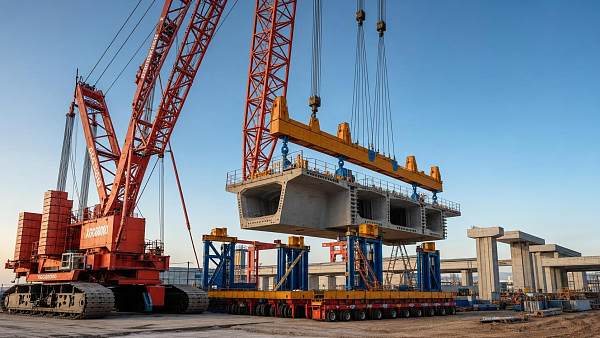
- Failing to model tandem crane interaction
Advanced large-scale lifting solutions often require digital lift simulation and structural checks for every transition point.
This is especially important for TBM components, petrochemical modules, wind turbine sections, and mine plant assemblies with irregular geometry.
How does fragmented coordination undermine large-scale lifting solutions?
Even technically sound large-scale lifting solutions can fail when information moves slowly or inconsistently between teams.
Lifting depends on synchronized decisions from design, transport, fabrication, site management, and safety control.
When coordination is fragmented, small revisions become major field conflicts. A shifted foundation, altered nozzle, or blocked laydown area can invalidate the lift.
Warning signs of coordination failure
- Different teams using different drawing revisions
- No single owner for lift-critical interfaces
- Transport and lifting contractors planning independently
- Temporary works designed without crane reaction updates
- Safety reviews happening after logistics commitments
The best large-scale lifting solutions use controlled interface management. Every revision affecting geometry, access, or sequence should trigger immediate review.
In complex infrastructure, intelligence-led coordination can be as valuable as crane capacity itself.
What is the smartest way to judge whether large-scale lifting solutions are ready?
Readiness is not a feeling. It is a structured decision based on engineering evidence, field confirmation, and controllable uncertainty.
Before execution, large-scale lifting solutions should pass a practical readiness review.
Pre-lift readiness checklist
- Final load weight and center of gravity are documented.
- Lift radius, boom configuration, and rigging are confirmed.
- Ground conditions and bearing calculations are approved.
- Transport-to-lift sequence is realistic and clash-free.
- Weather criteria and hold points are clearly defined.
- Emergency response and contingency options are in place.
- All teams are aligned to the same revision set.
If any item remains uncertain, large-scale lifting solutions are not fully ready, no matter how urgent the schedule appears.
Delaying a lift by one day is usually cheaper than recovering from a failed mobilization or damaged component.
FAQ summary: what should be checked first?
The real lesson is simple. Large-scale lifting solutions usually fail before the lift begins because hidden assumptions go unchallenged.
Projects improve when planning becomes evidence-based, site-aware, and tightly coordinated across engineering and execution.
TF-Strategy follows these heavy-industry patterns closely, connecting equipment capability, field constraints, and strategic intelligence for better infrastructure decisions.
If lift risk appears early, act early. Recheck assumptions, validate interfaces, and strengthen readiness before mobilization commits cost and schedule.
Related News
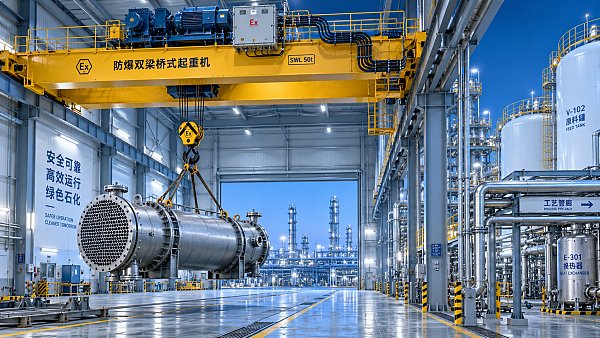
 Oct 06, 2026Selecting Petrochemical Overhead Cranes for Hazardous Areas and Heavy Process LoadsPetrochemical overhead cranes for hazardous areas: learn how to match capacity, duty, controls, corrosion protection, and maintenance access for safer, reliable lifts.
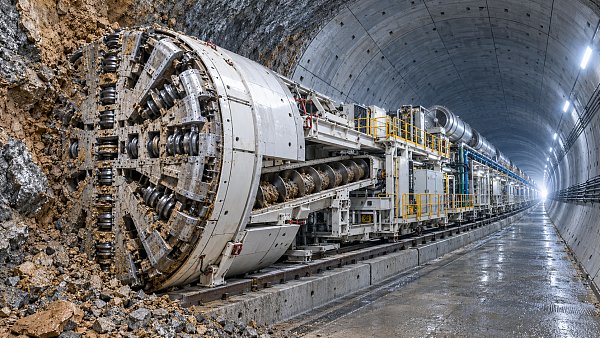
 Oct 05, 2026Tunneling Equipment Specification Planning: Key Criteria for Ground and Project RisksEquipment specification planning tunneling: learn how to match TBM systems to ground risks, geometry, safety, logistics, and lifecycle cost for more reliable project delivery.
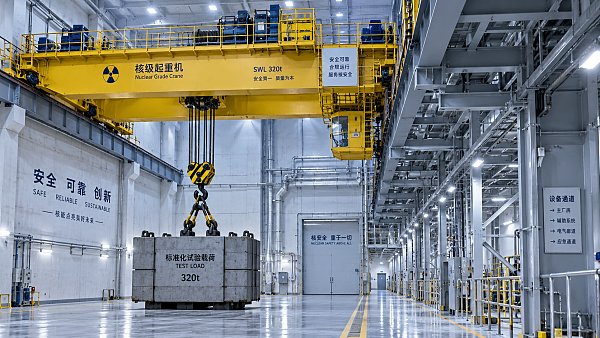
 Oct 04, 2026Nuclear Lifting Equipment Cost: Budgeting for Compliance, Testing, and Lifecycle RiskNuclear lifting equipment cost explained: budget for compliance, proof-load testing, installation, documentation, and lifecycle risk to make confident procurement decisions.
 Oct 03, 2026How to Assess TBM Manufacturers for Hard-Rock Tunneling Projects?Choose the right tunnel boring machine manufacturer for hard-rock projects. Explore key criteria for design, lifecycle cost, factory quality, and service support.
Structural Load Expert
Weekly Insights
Stay ahead with our curated technology reports delivered every Monday.