
Are Electric Mining Excavators Ready for Continuous-Duty Operation?
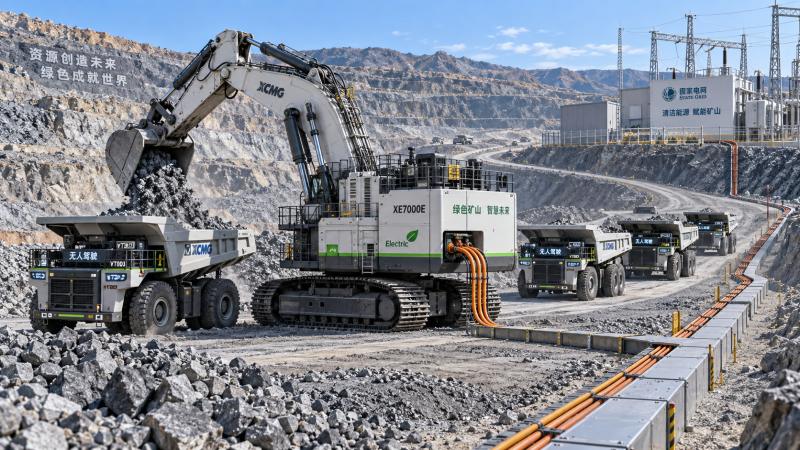
At an open-pit mine, an excavator does not work in isolated shifts. It loads trucks through changing temperatures, dust, rain, uneven benches, planned breaks, and unexpected delays. When a diesel machine is replaced by an electric model, the central operational question is immediate: can it remain productive through the same long duty window without turning charging, cable handling, or power limits into a new bottleneck?
Electric mining excavators are ready for continuous-duty operation in selected applications, but not as a universal drop-in replacement for every diesel excavator. Their readiness depends less on the word “electric” and more on the mine’s power infrastructure, machine duty cycle, charging or connection method, haul-road and bench layout, ambient conditions, and maintenance capability. Grid-connected electric rope shovels and cable-powered hydraulic excavators already fit continuous loading environments where the working area is relatively stable. Battery-electric excavators can support long operating periods when charging is deliberately built around pauses, shift changes, or battery exchange, but they require tighter energy planning than a diesel fleet.
Continuous duty means more than a long shift
A machine may be scheduled for round-the-clock use, yet its real operating profile usually includes loading, swinging, repositioning, waiting for trucks, idling during blast clearance, operator handover, refueling or servicing, and occasional relocation. This distinction matters because electric equipment performs best when the site understands the difference between calendar uptime and high-power working time.
For an excavator at a fixed loading face, energy demand can be predictable. Bucket size, material density, digging resistance, swing angle, truck spotting arrangement, and loading pass count all influence the load profile. A machine working in hard, fragmented rock with long swing angles will draw power differently from one handling loose overburden in short, repetitive cycles. Treating both applications as the same “hours per day” problem can lead to an undersized electrical system or an unrealistic battery plan.
The question “Are electric mining excavators ready for continuous operation?” should therefore be answered in layers:
- Can the excavator deliver the required digging and loading performance?
- Can the mine provide energy continuously, safely, and at the necessary power level?
- Can the machine remain available while charging, moving, or being serviced?
- Can production continue when the electrical supply or charging equipment is unavailable?
Where those four conditions are managed together, electric operation can be practical. Where they are treated as separate procurement decisions, the risk of lost production rises quickly.
The power-delivery method determines the practical limit
Not all electric mining excavators rely on the same energy architecture. The operating constraints change substantially between cable-connected machines, trolley or external-power-assisted concepts, and battery-electric excavators.
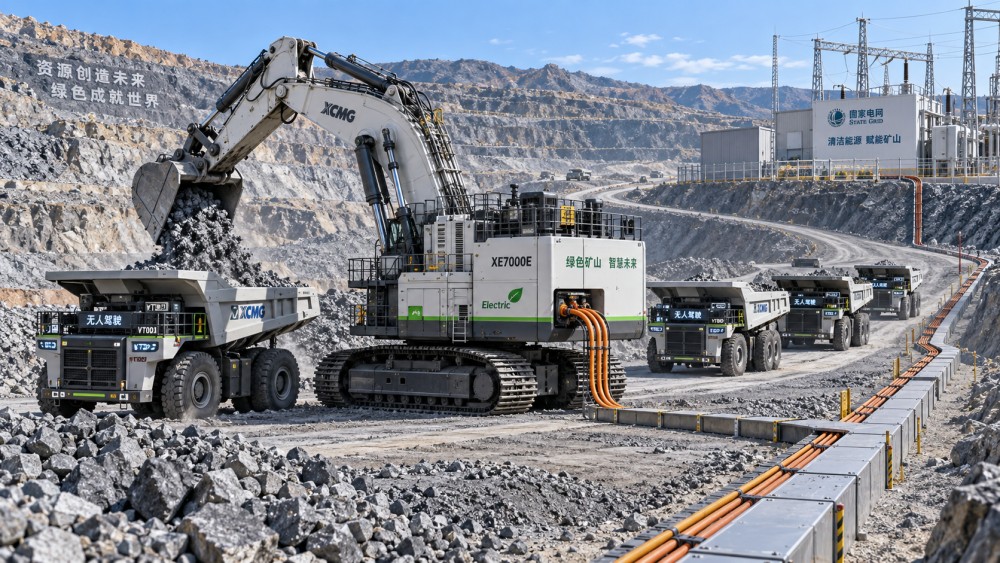
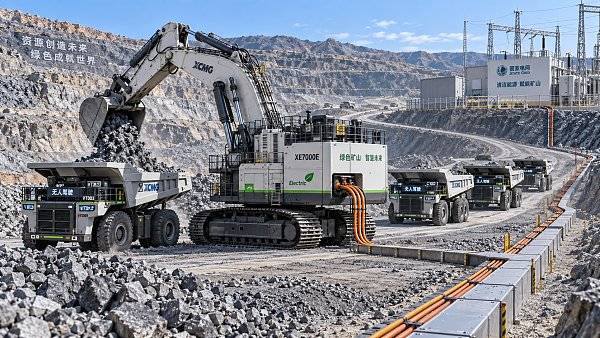
A cable-powered excavator is often the clearest path to genuine continuous duty. It does not need to stop for battery charging, provided the electrical network is stable and the cable can be routed safely. This model is especially suited to a bench where the loading position changes gradually rather than constantly. The trade-off is operational planning: cable lengths, reels, substations, traffic separation, blast boundaries, and machine relocation all need to be considered before the work begins.
Battery-electric equipment changes that equation. It removes the trailing cable but shifts the challenge to energy replenishment. A battery system must be large enough for the active part of the cycle, but it must also be capable of charging at a rate compatible with the mine’s operating rhythm. A battery large enough to cover every possible delay may add mass, cost, and thermal burden. A smaller battery may be viable if the mine can reliably charge during planned nonproductive intervals. Neither approach is automatically better; the correct choice comes from the actual duty profile.
Where battery-electric excavators can struggle
The hardest operating scenario is not simply “a long shift.” It is sustained high-load digging far from power infrastructure, with short or uncertain breaks and frequent face changes. In this situation, the machine may consume energy at a rate that leaves little margin for delays. If charging is available only at a distant service area, travel energy and travel time become part of the production calculation.
Several conditions deserve early attention:
High and variable digging resistance
Hard rock, sticky material, frozen ground, or poorly fragmented blast material can increase hydraulic demand and cycle time. Diesel machines also consume more fuel under these conditions, but electric systems have a more visible energy boundary. The planning model should use demanding loading conditions, not only average material conditions. A battery plan built around easy digging can fail during the periods that matter most to production.
Frequent relocation between faces
Excavators that move regularly between loading points need a practical route to power. A cable machine may require disconnecting, moving cable, reconnecting, and verifying safe routing. A battery machine avoids that work but consumes stored energy during travel. Mines with widely dispersed short-duration tasks may find that electrification requires more charging points, battery logistics, or a different fleet allocation than initially expected.
Unplanned queueing and standby
Truck queues, crusher interruptions, weather stops, and blast-related access restrictions are not always wasted energy events. They can become useful charging opportunities only when equipment, access, and operating procedures are already in place. Without that preparation, a delay may simply consume auxiliary power for cooling, heating, communications, and control systems while reducing the remaining energy margin.
Extreme ambient conditions
Battery performance, charging speed, cooling demand, and cabin heating can all be affected by temperature. Dust and vibration also place demands on electrical enclosures, connectors, cooling circuits, and cable systems. The relevant question is not whether electric equipment can operate in harsh conditions; it can. The question is whether the selected system has been specified for the mine’s actual temperature range, contamination exposure, elevation, and maintenance access.
Start with the loading cycle, not the machine brochure
Before selecting an electric excavator, the mine should map the work that the machine must perform over a representative period. This exercise is more valuable than comparing a single rated battery capacity or a headline charging time.
- Define the production-critical tasks. Separate primary loading, cleanup, selective mining, trench work, stockpile handling, and support duties. They may require different energy strategies.
- Record the working cycle. Include digging, swing, dumping, truck waiting, idle periods, relocation, and operator breaks. Short peaks in power draw matter as much as average consumption.
- Identify fixed and movable power locations. Note substations, cable routes, charging areas, traffic interfaces, blast exclusion zones, and safe turning areas for service equipment.
- Calculate the operational buffer. The system needs margin for material changes, weather, delayed trucks, charger faults, and temporary access restrictions. Planning around nominal energy use alone is fragile.
- Test the handover process. A shift transition should not become an unplanned energy interruption. Confirm who connects power, who inspects cables or connectors, and how the machine is released back to production.
This process often reveals that the best initial electric application is not the most mobile excavator in the fleet. A high-utilization machine assigned to a stable loading zone may be easier to electrify than a smaller unit constantly moving across the pit. Starting with the right duty profile can establish reliable operating practices before electrification is extended to more variable work.
Charging strategy has to match the mine schedule
Fast charging can reduce downtime, but it is not a cure for an unrealistic schedule. High-power charging requires sufficient grid capacity, suitable equipment, protected connector areas, and a process that avoids conflicts with truck movement and maintenance activity. The charger itself must be treated as production infrastructure rather than a peripheral asset.
There are several workable patterns. Opportunity charging uses routine pauses, such as meal breaks, shift changes, planned waiting periods, or scheduled service windows. This can be effective when those pauses are dependable. Scheduled charging assigns a defined charging period within the operating plan and may work where fleet coverage allows another excavator to take over. Battery exchange can reduce machine waiting time in some applications, but it introduces lifting, transport, storage, inspection, and battery-condition management requirements.
A mine should avoid assuming that every pause is available for charging. Some pauses occur away from the charger, some are too short to provide useful energy, and some involve restricted access. The practical charging window is the time when the machine is physically able to connect, the charger is available, and charging can proceed safely at the required power.
Reliability moves from the fuel system to the electrical ecosystem
Electric excavators may reduce dependence on fuel delivery and some engine-related maintenance tasks, but continuous operation still relies on multiple systems working together. The electrical supply, transformer or substation, cable handling equipment, chargers, connectors, battery cooling system, control software, and communication network can each affect availability.
For cable-connected equipment, cable inspection cannot be an afterthought. Routing must protect the cable from haul-truck traffic, sharp rock, water accumulation, and pinch points. Operators need clear rules for repositioning and reporting abrasion or connector damage. The mine should also define how quickly a damaged cable can be isolated and replaced without leaving the loading circuit inactive for an extended period.
For battery-electric units, maintenance planning should focus on connectors, charging interfaces, thermal circuits, insulation monitoring, high-voltage safety procedures, and battery health tracking. A reliable machine can still lose productive time if the charging bay is blocked, the connector is contaminated, or a cooling issue limits charging rate. Continuous-duty readiness is therefore a fleet-and-infrastructure question, not only an excavator specification question.
How to judge total cost without oversimplifying it
Electric equipment economics should be evaluated through the full operating system. Electricity cost, demand charges where applicable, grid connection work, substations, charging equipment, cable infrastructure, battery replacement assumptions, maintenance labor, fuel logistics, and production interruptions all influence the result. Lower energy cost per operating hour can be meaningful, but it does not automatically offset an infrastructure layout that causes frequent machine waiting.
Downtime deserves particular attention. A diesel excavator may refuel quickly from an established service process, while an electric excavator may need a different sequence of charging, cable connection, or battery handling. Conversely, a fixed electric machine may avoid fuel-delivery interruptions and run efficiently for long periods once connected. The useful comparison is not “fuel versus electricity” in isolation; it is cost and availability per productive tonne or per completed loading task under the mine’s real schedule.
Questions raised during electric excavator planning
Can a battery-electric mining excavator run for 24 hours?
It can support a 24-hour operation when charging, battery exchange, or fleet rotation is built into the schedule. A single battery charge should not be assumed to cover every continuous-duty application. The key is whether energy replenishment can occur without disrupting the required production sequence.
Are cable-powered excavators less flexible than diesel models?
Yes, particularly when work locations change frequently. Their advantage is stable, continuous power at established loading areas. Their limitation is the time and planning needed to route, protect, move, and reconnect cables as the mining face advances.
Does electric power reduce excavator performance?
Not necessarily. Performance depends on the machine’s electric-drive and hydraulic design, available power, duty cycle, and control strategy. The more important operational issue is whether the power source can sustain the required workload without interruption or derating.
What is the first sign that an electric deployment is poorly matched to the duty cycle?
Repeated charging delays, shrinking energy reserves before scheduled breaks, frequent use of contingency equipment, or operators changing work patterns to conserve energy are warning signs. These usually point to a mismatch between actual loading demand, charging access, and the planned operating buffer.
Electric mining excavators are most ready for continuous operation where the mine can make energy delivery predictable: stable loading zones, robust electrical infrastructure, realistic buffers, and operating procedures that treat charging or cable management as part of the production cycle. Where the work is highly mobile, load demand is volatile, and power access remains uncertain, a phased approach is usually more credible than expecting immediate one-for-one replacement of diesel equipment.
Related News
 Oct 08, 2026How to Evaluate a Heavy Machinery Information Platform for Project Equipment SourcingHeavy machinery information platform guide: compare equipment fit, source reliability, lifecycle costs, supplier capability, and compliance to make smarter sourcing decisions.
 Oct 07, 2026How to Evaluate a Hydraulic System Component Supplier for Heavy Equipment UptimeChoose a hydraulic system component supplier with proven quality, technical fit, and reliable delivery to reduce heavy equipment downtime and lifecycle costs.
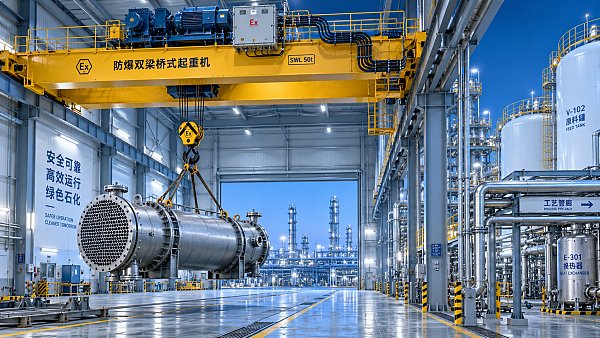
 Oct 06, 2026Selecting Petrochemical Overhead Cranes for Hazardous Areas and Heavy Process LoadsPetrochemical overhead cranes for hazardous areas: learn how to match capacity, duty, controls, corrosion protection, and maintenance access for safer, reliable lifts.
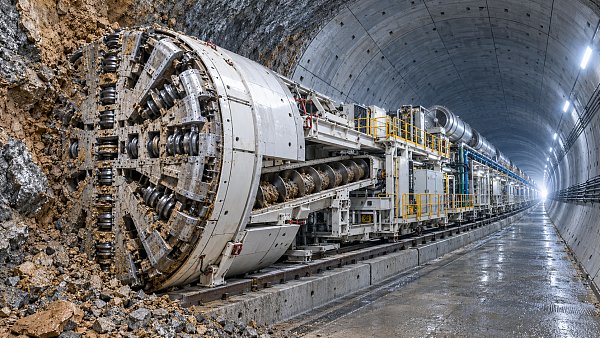
 Oct 05, 2026Tunneling Equipment Specification Planning: Key Criteria for Ground and Project RisksEquipment specification planning tunneling: learn how to match TBM systems to ground risks, geometry, safety, logistics, and lifecycle cost for more reliable project delivery.
Prof. Marcus Chen
Weekly Insights
Stay ahead with our curated technology reports delivered every Monday.